Posts in Category: Farming
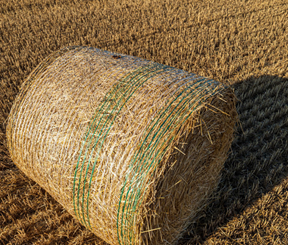
Baler Twine for Australian Native Pastures and Dense Tropical Grasses
Baling coarse native grasses presents different challenges from handling softer, cultivated hay. Across Northern Australia and Queensland, producers may work with dense Mitchell grass, Flinders grass, and other tough pasture materials that can place considerable strain on baling equipment and tying systems. Choosing the right baler twine is therefore important for producing secure, well-formed bales that can withstand handling, transport and storage.
A suitable twine needs enough tensile strength for the crop and must work reliably with the baler’s knotting system. Understanding the demands of native grass helps producers select twine suited to their baling conditions.
Why Native Grass Requires Stronger Baler Twine
Native pastures can be coarse, fibrous and difficult to compress consistently. When dense material is packed into a bale, the twine must hold it securely as the compressed grass tries to expand.
This is particularly relevant when baling Mitchell grass and Flinders grass, which can produce firm, heavy bales under suitable harvesting conditions. Twine that doesn’t match the bale density or baler settings may be more vulnerable to stretching, knot failure, or breakage.
A heavy-duty baler twine native grass application calls for a product that delivers dependable knot strength and tension resistance during baling.
What to Look for in Heavy-Duty Twine
Not all twine suits demanding pasture conditions. When comparing options, consider the following characteristics:
● High tensile strength: Strong twine helps maintain bale integrity when dense grass is tightly compressed.
● Reliable knot performance: The twine must consistently form secure knots through the baler’s knotter.
● Consistent diameter: Uniform manufacturing supports predictable feeding and knotting.
● UV resistance: Bales stored outdoors in Queensland and northern regions can be exposed to intense sunlight, making UV stabilisation an important consideration.
● Abrasion resistance: Tough grass and repeated handling can place additional stress on the twine.
The correct specification should also match the baler manufacturer’s recommendations. A stronger twine is not automatically the right choice if its dimensions or handling characteristics suit the machine.
Baling Dense Tropical Grasses in Queensland
Queensland conditions can vary substantially between regions. Producers may encounter high temperatures, intense sunlight, seasonal rainfall and pasture that becomes coarse as it matures. These factors can influence both baling and subsequent bale storage.
Before baling, allow the harvested material to reach an appropriate moisture level for the intended haymaking system. Consider bale density, field conditions, and baler settings because excessive tension can place unnecessary load on the twine and knotting components.
For producers regularly handling dense native pasture, consider heavy-duty agricultural packaging for native grass requirements when selecting consumables, rather than treating twine as a one-size-fits-all product.
Choosing the Right Baler Twine for Your Operation
Start by checking the baler manufacturer’s recommended twine specifications. Then consider the type of grass being harvested, desired bale density, storage conditions and expected handling.
It is also useful to inspect completed bales. Loose knots, broken strands, or an inconsistent bale shape can indicate that twine selection, knotter adjustment, bale density, or crop conditions need attention.
For operations handling coarse native pasture, selecting a dependable baler twine can help support consistent bale formation and reduce avoidable interruptions during a busy harvesting period.
Protect Bale Integrity from Field to Storage
Good twine selection is only one part of reliable baling. Correct machine setup, suitable crop moisture, proper bale density and careful handling all contribute to bale quality.
For Australian producers working with Mitchell grass, Flinders grass or other coarse native and tropical pastures, choose a baler twine specification that matches the crop and equipment. Speak with a reputable agricultural twine supplier about tensile strength, knot performance and UV stabilisation before your next baling season.
—
FAQs
What is heavy-duty baler twine used for?
Heavy-duty twine is designed for applications where bales place higher tension on the tying material, including dense or coarse pasture hay.
Is heavy-duty twine suitable for Mitchell grass?
It can be suitable when its strength and specifications match the baler, bale density and harvesting conditions. Always check equipment recommendations.
Does UV resistance matter for hay stored outdoors?
Yes. Prolonged exposure to sunlight can degrade synthetic twine, so UV stabilisation is an important consideration for outdoor bale storage.
What makes native grass difficult to bale?
Coarse, fibrous material can require substantial compression and may create higher tension on the tying system, particularly when forming dense bales.
How do I choose baler twine for Queensland conditions?
Consider crop type, bale density, baler specifications, knotter requirements, UV exposure and expected storage and handling conditions.
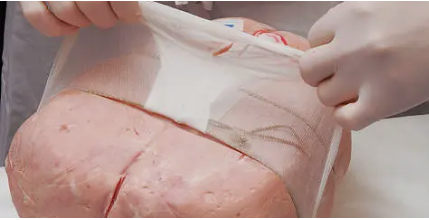
Stockinette Bags Wrapping Guide’ How Australian Businesses Can Protect Produce and Products with Efficient Packaging
In the Australian retail, agricultural, and logistics sectors, stockinette bags are widely used to protect produce, meat cuts, and industrial items during handling and transport. This stockinette bags wrapping guide explains how to use them properly to maximise product protection, reduce waste, and improve presentation quality across supply chains in Australia, where fresh produce exports and domestic distribution require durable, breathable packaging solutions.
Whether you operate a butcher shop in Melbourne, a fruit packing facility in Queensland, or a wholesale distribution warehouse in Sydney, proper wrapping techniques can significantly improve efficiency and product integrity.
What Are Stockinette Bags and Why They Matter in Australia
Stockinette bags are lightweight, stretchable mesh sleeves typically made from cotton or synthetic fibres. In Australia’s agricultural and food distribution sectors, they are commonly used to wrap items such as citrus fruits, root vegetables, and boxed meat cuts.
Their breathable structure helps prevent moisture buildup, which is especially important in Australia’s warmer climates. In this stockinette bag wrapping guide, understanding the material’s airflow and elasticity is essential, as improper use can lead to bruising or premature spoilage.
Step-by-Step Stockinette Bags Wrapping Guide
Step 1: Selecting the Right Bag Size
Choose a stockinette bag size that matches the product dimensions. Too tight, and you risk damaging the contents; too loose, and the product may shift during transport. In Australian packing facilities, standard sizing is often matched to produce weight categories such as 2kg, 5kg, or 10kg loads.
Step 2: Preparing the Product Surface
Before wrapping, ensure the item is clean and dry. Moisture trapped inside packaging can lead to spoilage, particularly in humid coastal regions like Brisbane or Cairns.
Step 3: Stretching and Loading
Gently stretch the stockinette bag and slide the product inside. Avoid forcing sharp-edged items that may tear the mesh. In this stockinette bags wrapping guide, controlled stretching is key to maintaining structural integrity.
Step 4: Securing the Ends
Once the item is fully enclosed, twist or knot the ends depending on operational preference. In Australian meat processing plants, automated sealing clips are sometimes used to improve efficiency and ensure compliance with hygiene standards.
Best Practices for Efficient Wrapping in Australian Operations
To optimise packaging workflows, Australian businesses should implement standardised handling procedures. Consistency reduces labour time and improves output quality, especially in high-volume environments.
One important consideration in this stockinette bags wrapping guide is airflow management. Over-tight wrapping can restrict ventilation, while under-secured packaging increases movement damage during transport.
Using colour-coded stockinette rolls can also help quickly identify product categories, particularly in large distribution centres serving supermarkets across Australia.
Common Mistakes to Avoid When Using Stockinette Bags
Many packaging inefficiencies arise from improper handling techniques. Avoid overstretching the material, as this reduces its protective cushioning. Similarly, reusing damaged bags can compromise hygiene standards, particularly in food-related applications.
Another issue in Australian supply chains is inconsistent wrapping tension, which can lead to uneven stacking during palletisation. This stockinette bags wrapping guide highlights the importance of maintaining uniform pressure to ensure stability during transport.
Industrial and Agricultural Applications Across Australia
Stockinette bags are not limited to food packaging. In mining regions and industrial hubs such as Western Australia, they are sometimes used to protect small components or polished materials during shipping.
However, their primary use remains in agriculture and food logistics. Citrus farms in New South Wales and vegetable producers in South Australia rely heavily on stockinette packaging for domestic supply chains and export-grade preparation.
In this stockinette bags wrapping guide, it is important to note that regional climate differences across Australia influence packaging choices, with hotter areas requiring more breathable wrapping materials.
Optimising Storage and Transport Efficiency
Proper stacking and storage of wrapped goods can significantly improve logistics performance. Stockinette-wrapped products should be stored in ventilated areas to prevent heat buildup.
During transport, Australian freight operators often use pallet wrapping techniques in combination with stockinette packaging to stabilise loads. This layered approach improves shock absorption and reduces product loss.
In this stockinette bags wrapping guide, integrating packaging with transport strategy is just as important as the wrapping process itself.
Sustainability Considerations in Australian Packaging
Sustainability is a growing concern across Australian industries. Many businesses are shifting toward reusable or biodegradable stockinette materials to reduce environmental impact.
Cotton-based stockinette options are increasingly preferred for their compostability. Reducing plastic dependency aligns with broader Australian packaging regulations and corporate sustainability targets.
Conclusion: Improving Packaging Standards with Stockinette Bags
Mastering the correct use of stockinette bags can significantly enhance product safety, presentation, and transport efficiency across Australian supply chains. From agriculture to retail distribution, proper wrapping techniques reduce waste and improve overall operational performance.
This stockinette bags wrapping guide demonstrates that small improvements in packaging processes can lead to major gains in product quality, cost efficiency, and customer satisfaction.
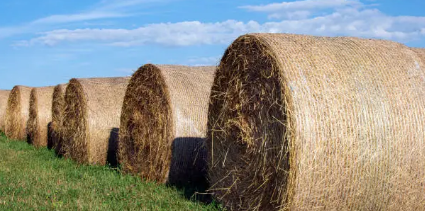
Net Wrap Australia’ Choosing the Right Bale Net Wrap for Efficient Hay and Silage Storage
In Australian agriculture, efficiency in hay and silage handling is critical due to large-scale livestock operations and variable weather conditions. One of the most important consumables in bale production is net wrap, which ensures compact, well-protected bales during storage and transport. Choosing the right net wrap can significantly affect feed quality, storage losses, and operational costs. In this guide, we explore how Australian farmers can select the best net wrap for their needs, what factors matter most, and how to improve bale performance across different climates and farming systems.
Net wrap is widely used across Australia in cattle and sheep farming operations because it provides faster bale finishing than traditional twine and offers improved weather resistance. Understanding its properties helps farmers maximise productivity and reduce spoilage.
What Is Net Wrap and Why It Matters in Australia
Net wrap is a polyethylene-based material used in round balers to secure hay, straw, or silage into tight cylindrical bales. Unlike twine, it evenly covers the bale surface, improving shape retention and reducing air exposure.
In Australian conditions—where high heat, coastal humidity, and sudden rainfall are common—net wrap plays a vital role in preserving forage quality. Poor-quality wrapping can lead to spoilage, mould growth, and nutrient loss, which directly affects livestock performance and feed costs.
Farmers also prefer net wrap because it increases baling efficiency, enabling more bales per hour than traditional methods.
Key Factors When Choosing Net Wrap in Australia
Selecting the right product involves balancing durability, compatibility, and cost-effectiveness.
1. Bale Type and Density
Different balers produce varying bale densities. High-density silage bales require stronger net wrap with higher tensile strength to maintain shape during transport and stacking.
2. Australian Climate Conditions
Regions such as Queensland and Northern NSW experience high humidity, while South Australia and WA face dry, hot conditions. UV-resistant net wrap is essential across all regions to prevent degradation during outdoor storage.
3. Roll Length and Coverage Efficiency
Longer rolls reduce downtime during baling operations. Farmers managing large properties often prefer high-capacity rolls to minimise interruptions.
4. Material Strength and Stretch
High-quality net wrap should stretch evenly across the bale surface, ensuring full coverage without tearing. This is especially important in rough hay conditions or when bale edges are uneven.
Benefits of Using High-Quality Net Wrap
One of the main advantages of net wrap is improved operational efficiency. It significantly reduces baling time compared to twine systems, allowing farmers to complete harvests faster during tight weather windows.
Another benefit is improved consistency in bale shape. Well-wrapped bales stack more efficiently, reducing storage space requirements and transport instability.
Additionally, better surface coverage reduces moisture penetration, which is crucial for maintaining feed quality in unpredictable Australian weather conditions.
Common Mistakes Farmers Make with Net Wrap
Despite its benefits, improper usage can reduce effectiveness:
● Using low-grade wrap for high-density bales
● Incorrect tension settings on balers
● Storing rolls in direct sunlight before use
● Ignoring compatibility with baler models
Each of these issues can lead to premature breakage or poor bale sealing, increasing waste and reducing feed value.
How Australian Farmers Can Maximise Net Wrap Performance
To achieve the best results, farmers should regularly maintain their baling equipment and adjust settings based on crop type. Dry hay typically requires a different wrapping tension than silage or straw.
It is also recommended to store net wrap rolls in cool, shaded areas to maintain material integrity before use. This prevents brittleness and ensures smoother application during peak harvesting periods.
Investing in quality-tested products designed for Australian conditions can also reduce long-term costs by minimising breakage and waste.
Cost Considerations and Value for Money
While premium options may cost more upfront, net wrap often delivers better long-term value by reducing spoilage and improving baling efficiency. Farmers should evaluate the cost per bale rather than just the roll price to understand the true value.
Bulk purchasing or seasonal ordering can also help reduce costs, especially for large-scale livestock operations.
Environmental and Storage Considerations
Modern agricultural practices in Australia are increasingly focused on sustainability. Many net wrap products are now designed for improved recyclability, reducing environmental impact after use.
Proper disposal and recycling programs are becoming more widely available, helping farmers manage agricultural plastic waste responsibly while maintaining operational efficiency.
Conclusion
Choosing the right net wrap is a strategic decision for Australian farmers aiming to improve feed preservation, operational efficiency, and cost control. By understanding bale requirements, climate conditions, and product quality, farmers can significantly enhance their hay and silage management systems.
With the right selection and handling practices, net wrap becomes more than just a consumable—it becomes a key factor in maintaining livestock productivity and farm profitability across Australia.
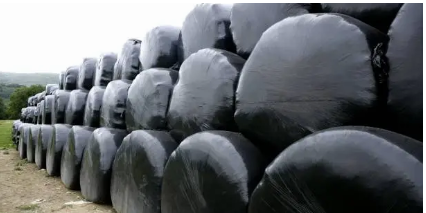
Silage Plastic’ Essential Usage Tips for Australian Farmers
Silage plastic plays a crucial role in modern Australian agriculture, helping farmers preserve forage efficiently while maintaining its nutritional value. For livestock producers across Australia, using high-quality silage plastic correctly can mean the difference between well-preserved feed and significant spoilage losses. Understanding proper use, storage, and handling techniques is essential to maximising silage longevity and protecting farm investments.
Choosing the Right Silage Plastic for Australian Conditions
The Australian climate presents unique challenges, from intense summer heat to heavy rainfall in certain regions. Selecting the right type of silage plastic is the first step to ensuring feed quality. UV-resistant films are particularly important for farms in northern and eastern Australia, where sun exposure can quickly degrade standard plastics. Multi-layer films offer superior oxygen barriers, reducing the risk of mould and spoilage.
Farmers should also consider the thickness of the plastic. Thicker films provide better puncture resistance, which is essential in areas with rough terrain or when handling silage with machinery. By investing in high-quality silage plastic designed for Australian conditions, farmers can protect their forage against environmental factors that compromise its quality.
Proper Wrapping Techniques
Correct wrapping of silage bales is vital to avoid oxygen infiltration, which can lead to spoilage. Australian farmers are advised to use at least 4 layers of plastic for optimal coverage, with some regions benefiting from 5 or 6 layers due to higher temperatures and UV exposure. Carefully overlapping edges and ensuring a tight seal can prevent air pockets, which are breeding grounds for mould and yeast.
Using automated bale wrappers where possible improves consistency, while manual wrapping requires attention to detail. Avoid wrapping in wet conditions, as moisture trapped between the plastic layers can accelerate spoilage. Additionally, keeping the work area clean reduces the risk of punctures from sticks, stones, or farm equipment.
Storage and Handling Tips
Once wrapped, silage bales must be stored correctly to maintain quality. In Australia, storing bales on slightly elevated ground prevents water pooling, particularly during the wet season. Covering bales with protective netting or additional plastic sheeting shields them from birds, rodents, and harsh sunlight.
Handling silage carefully is equally important. Avoid dragging bales across rough surfaces, as this can tear the plastic and expose the silage to air. Using forklifts or bale grabs designed for silage reduces the risk of punctures and ensures the integrity of the wrap. Regularly inspecting bales for signs of damage allows farmers to address issues promptly, preserving the nutritional value of the feed.
Environmental Considerations and Recycling
Australian farmers are increasingly aware of the environmental impact of silage plastic. While feed preservation is essential, responsible disposal and recycling are crucial. Many rural councils and agricultural supply companies in Australia now offer silage plastic recycling programs, allowing used films to be repurposed rather than sent to landfills.
When recycling is not immediately available, storing used plastic in a designated area until collection can prevent environmental contamination. Educating farm staff about proper disposal methods and participating in local recycling initiatives support sustainable farming practices while maintaining compliance with environmental regulations.
Cost-Effective Practices
Optimising the use of silage plastic can also reduce farm expenses. Using the correct amount of plastic without overwrapping minimises material costs, while proper storage and handling reduce spoilage losses. Bulk purchasing from Australian suppliers often results in cost savings, and investing in durable, high-quality films can extend their lifespan, providing better value over multiple seasons.
Furthermore, training staff in proper wrapping and handling techniques ensures consistency and reduces waste. Small adjustments, such as adjusting bale sizes to match plastic dimensions or scheduling wrapping during cooler parts of the day, can improve efficiency and overall feed preservation.
Conclusion
Silage plastic is an indispensable tool for Australian farmers, offering a reliable method to preserve high-quality forage for livestock. By selecting the right plastic, applying correct wrapping techniques, ensuring proper storage and handling, and practising environmentally responsible disposal, farmers can maximise the benefits of their silage. Implementing these tips not only enhances feed quality but also reduces costs and supports sustainable farming practices across Australia.
Proper attention to the use of silage plastic ensures that every bale delivers optimal nutrition to livestock while minimising waste. For Australian farmers seeking to improve efficiency while maintaining high feed standards, these practical tips provide a clear roadmap to success.

Stockinette Bags’ Essential Packaging Solutions for Australia’s Agricultural and Industrial Sectors1
Stockinette bags have become a vital component in Australia’s agricultural and industrial industries. Known for their durability, flexibility, and breathability, stockinette bags are widely used to store, transport, and protect a wide range of products, from fresh produce to industrial materials. Australian farmers and manufacturers increasingly rely on these bags to improve efficiency, reduce spoilage, and meet local compliance standards. Whether used on rural farms or in urban industrial settings, stockinette bags provide a practical, cost-effective solution for businesses across the country.
Versatility of Stockinette Bags in Agriculture
In Australia, agriculture is a major economic driver, with regions like Victoria, New South Wales, and Queensland producing large quantities of onions, potatoes, citrus fruits, and other crops. Stockinette bags are particularly valued for their ability to safely store these items. The breathable fabric prevents moisture accumulation, reducing the risk of mould and spoilage during transportation or storage. Farmers can pack bulk produce in stockinette bags without worrying about damage or contamination, ensuring that goods reach markets in optimal condition.
Additionally, stockinette bags are lightweight and easy to handle, making them suitable for both manual and mechanised packing processes. Many Australian agricultural suppliers now offer stockinette bags in various sizes, tailored to the specific requirements of different crops. This adaptability helps farmers manage inventory more efficiently while reducing overall packaging costs.
Industrial Applications Across Australia
Beyond agriculture, stockinette bags are also gaining popularity in Australia’s industrial sector. Construction, manufacturing, and packaging industries use these bags to carry lightweight materials, provide protective coverings, and even package certain chemicals or powders. Their stretchable, strong material allows for repeated use, supporting the growing trend of sustainable business practices in Australia.
Industries in cities like Sydney, Melbourne, and Perth increasingly prefer stockinette bags over conventional packaging due to their cost-effectiveness and reduced environmental footprint. Reusable stockinette bags contribute to waste reduction and align with Australian government initiatives promoting sustainability and responsible resource management.
Local Sourcing and Compliance
Australian businesses benefit from sourcing stockinette bags locally. Domestic suppliers ensure faster delivery times, competitive pricing, and adherence to industry standards. For agricultural applications, stockinette bags must meet strict food safety regulations, which local suppliers are well-equipped to guarantee. In industrial contexts, compliance with workplace safety standards and material regulations is equally crucial.
By choosing Australian-made or locally distributed stockinette bags, businesses can maintain quality control, support local industries, and reduce transportation-related carbon emissions. Many suppliers also offer customised printing options, allowing companies to brand the bags with logos or product information—an added advantage for both marketing and inventory management.
Sustainability and Eco-Friendly Options
Sustainability is a growing concern among Australian businesses, and stockinette bags offer an environmentally friendly alternative to single-use plastics. Many stockinette bags are designed for multiple uses and are recyclable, reducing their impact on landfills. Farmers and manufacturers increasingly prioritise these eco-friendly options, aligning with Australia’s national sustainability targets and consumer demand for greener practices.
Moreover, innovations in biodegradable and organic fabric stockinette bags are gaining traction, providing a balance between practicality and environmental responsibility. By integrating these solutions, Australian businesses not only enhance operational efficiency but also demonstrate a commitment to sustainable practices that resonate with consumers.
Tips for Selecting the Right Stockinette Bags
Choosing the appropriate stockinette bag depends on the type of product, storage duration, and transportation method. For fresh produce, breathable and moisture-resistant bags are ideal, while heavier industrial materials may require thicker, reinforced stockinette bags. Consulting with local suppliers ensures businesses select bags that meet their specific needs while complying with Australian regulations.
Additionally, understanding storage requirements—such as temperature, humidity, and handling conditions—can maximise the lifespan and effectiveness of stockinette bags. Proper use helps reduce waste, maintain product quality, and enhance overall business efficiency.
Conclusion
Stockinette bags are an indispensable tool for Australia’s agricultural and industrial sectors. Their versatility, durability, and eco-friendly properties make them a preferred choice for businesses looking to improve storage, transportation, and sustainability practices. By sourcing locally and selecting the right bag for the task, Australian businesses can optimise operations, reduce costs, and meet industry standards.
As demand for efficient and sustainable packaging grows nationwide, stockinette bags will continue to play a critical role in supporting Australia’s farming communities, manufacturing industries, and eco-conscious businesses. Investing in high-quality stockinette bags ensures long-term benefits, making them a practical and responsible choice for businesses nationwide.

Bale Wrap Innovations in Australia’ How Cost-Effective Bale Wrap is Transforming Silage Preservation and Reducing Waste
Australia’s agricultural landscape is evolving rapidly, with farmers seeking more efficient ways to preserve feed, reduce spoilage, and lower production costs. As climate conditions continue to challenge pasture growth consistency, the demand for high-quality silage has never been greater. This has led to the increasing popularity of cost-effective bale wrap. This modern solution not only protects valuable fodder but also supports the long-term sustainability of Australian farms.
Whether you’re managing a large dairy operation in Victoria or running a mixed farm in New South Wales, choosing the right bale wrap can make a remarkable difference in both feed quality and financial efficiency.
Understanding Bale Wrap and Its Critical Role
At its core, bale wrap is designed to tightly seal silage bales, creating an oxygen-free environment that promotes proper fermentation and preservation. The result is high-quality, nutrient-rich feed that can last for months. However, not all bale wraps are created equal.
The key difference between premium and subpar options often lies in material durability, UV resistance, and stretch performance. In Australia’s harsh climate—where sunlight intensity, temperature fluctuations, and moisture levels vary drastically—choosing a wrap that can withstand environmental stress is essential. High-performance, cost-effective bale wrap enables farmers to achieve this balance without overspending, offering both protection and value for money.
The Economic Advantage: Why Cost-Effective Bale Wrap Matters
Rising production costs continue to put pressure on Australian farmers, making affordability a major factor in decision-making. While some may assume that cheaper wraps mean compromising on quality, today’s manufacturing innovations have changed that perception.
Modern cost-effective bale wrap options combine advanced multi-layer technology with superior cling and puncture resistance. This means fewer layers are needed per bale, leading to savings in both material and labour costs. Additionally, better sealing reduces air ingress, minimising spoilage and feed loss—an often-overlooked hidden cost on many farms.
Performance in Australian Conditions
Australia’s agricultural environments, ranging from the tropical north to the temperate south, present diverse challenges for silage preservation. Heat, UV exposure, and humidity can quickly degrade inferior wraps. That’s why selecting a cost-effective bale wrap tailored for Australian conditions is essential.
Locally developed and tested wraps are designed to maintain strength and elasticity even under intense sun exposure. For example, UV-stabilised wraps can extend outdoor storage life by up to 12 months, making them ideal for regions such as Queensland or Western Australia. Meanwhile, enhanced oxygen barriers ensure that silage in wetter regions, such as Tasmania or coastal New South Wales, remains protected from moisture damage and mould growth.
By investing in quality and locally suited materials, farmers avoid the risk of frequent replacements, saving money and maintaining consistent feed quality throughout the year.
Environmental Sustainability and Waste Reduction
Sustainability has become a major priority across the Australian farming sector. As awareness of plastic waste grows, the agricultural industry is embracing innovative recycling programs and more environmentally friendly bale wrap materials.
Several Australian suppliers now produce bale wrap made from recycled content or bio-based polymers, which maintain strength while reducing their environmental footprint. When paired with efficient collection and recycling programs, this approach closes the loop—reducing landfill waste and supporting the circular economy.
Using cost-effective, recyclable or biodegradable bale wrap not only benefits the environment but also enhances a farm’s reputation for sustainability—a valuable advantage for producers working with eco-conscious buyers and export markets.
Choosing the Right Supplier and Wrap Specifications
Selecting the ideal bale wrap involves more than comparing prices. Farmers should consider several key specifications, including:
● Film thickness and elasticity – ensures secure wrapping and tight sealing.
● UV protection rating – crucial for long-term outdoor storage in Australia’s intense sunlight.
● Cling strength and puncture resistance – prevents air leaks and damage during handling or transport.
● Recyclability – contributes to sustainable waste management.
Working with reputable Australian suppliers who understand local farming conditions ensures that you receive the optimal balance between quality and affordability. Many now offer technical advice and after-sales support, helping farmers optimise wrapping techniques and reduce overall operational costs.
Future Trends: Smarter Wrapping and Sustainable Innovation
The future of silage preservation in Australia looks promising. The next generation of cost-effective bale wrap is expected to integrate smart materials, advanced oxygen barrier layers, improved stretch control, and even digital traceability.
Some emerging technologies allow farmers to track wrap usage and monitor storage conditions through mobile applications, making the silage process more data-driven and efficient. As automation and precision agriculture continue to expand, bale wrapping technology will evolve alongside it—delivering higher productivity and lower costs.
Conclusion: A Smarter Investment for Australian Farmers
In today’s competitive agricultural environment, every decision has a significant impact on profitability and sustainability. Choosing cost-effective bale wrap is not merely about cutting expenses—it’s about maximising value, protecting your investment, and contributing to a greener farming future.
By selecting high-performance wraps tailored to Australia’s unique conditions, farmers can preserve feed quality, reduce spoilage, and minimise waste—ensuring a steady year-round supply of nutritious silage. As the industry moves toward smarter, more sustainable practices, bale wrap innovations will continue to play a vital role in shaping the success of modern Australian agriculture.


Net Wrap How Net Wrap Improves Baling Speed for Australian Farmers
For Australian farmers, efficiency and productivity are essential to success, especially during the tight harvesting windows dictated by the country’s diverse climate. One innovation that has revolutionised baling operations across Australia is Net Wrap Australia—a product that significantly improves baling speed while maintaining bale quality. By understanding how net wrap Australia optimises the baling process, Australian farmers can make informed choices to boost their operational efficiency during crucial harvest periods.
The Growing Importance of Baling Efficiency in Australia
Australia’s agricultural sector covers a vast area with varied climatic zones, from the dry wheat belts of Western Australia to the lush pastures of New South Wales and Victoria. During harvest season, farmers face the challenge of gathering crops quickly to avoid losses from unpredictable weather and maximise feed quality for livestock. In this context, baling speed directly translates to time saved and more bales produced.
Traditional baling methods used twine to bind bales, which required more handling and sometimes slowed the process due to frequent stoppages for tying knots. Enter Net Wrap Australia, a solution designed to speed up baling without compromising bale integrity.
What is Net Wrap and Why is It Preferred?
Net wrap is a synthetic mesh-like material wrapped around bales instead of traditional twine. It holds the crop tightly and evenly, creating denser and more uniform bales. The netting also protects the bale from weather damage better than twine.
Several key benefits drive the widespread adoption of net wrap in Australia:
- Faster application around the bale, reducing downtime during baling
- Enhanced bale density and shape, improving storage and transport efficiency
- Superior protection against moisture and spoilage, preserving feed quality
By wrapping bales more quickly and securely, farmers can handle larger volumes of hay or straw in less time, a critical advantage during short harvesting windows.
How Net Wrap Boosts Baling Speed: The Technical Advantages
Reduced Machine Downtime
With twine, operators often must pause the baler to tie off the ends manually. This process can take several seconds per bale, which accumulates significantly over hundreds or thousands of bales. Net wrap systems automatically wrap and cut the netting, minimising stoppages. The machine keeps running smoothly and continuously, increasing the number of bales produced per hour.
Uniform Bale Formation
Net wrap evenly distributes tension around the bale, resulting in a consistent shape and size. This uniformity allows balers to operate at optimal speeds without worrying about uneven bales jamming equipment or requiring rework. The smoother baling process enables operators to push their machines harder while maintaining quality.
Improved Bale Integrity During Handling
Because net wrap binds the bale more tightly, it reduces the chance of bales loosening or breaking apart when handled or transported. This reliability means less time spent repairing or rebaling compromised bales, allowing farmers to keep up a steady baling pace.
Why Australian Farmers Are Turning to Net Wrap Solutions
The adoption of net wrap in Australia has surged in recent years, partly due to advances in UV-resistant materials that withstand the harsh Australian sun and weather conditions. These improvements extend the lifespan of wrapped bales, preserving feed quality for longer storage periods.
Moreover, Australian farmers face labour shortages, pushing the demand for mechanised and efficient solutions. Net wrap balers require less manual intervention, meaning fewer workers can manage larger workloads during peak harvest times. This labour efficiency is crucial in remote farming regions where access to seasonal labour is limited.
Practical Tips for Maximising Baling Speed with Net Wrap
- Use Quality Net Wrap Australia: Investing in high-quality net wrap ensures smooth machine operation and reduces the risk of net breaks that slow down the process.
- Regular Equipment Maintenance: Well-maintained balers with properly functioning net wrap dispensers keep wrapping consistently and fast.
- Operator Training: Skilled operators who understand the mechanics of net wrap balers can optimise speed without sacrificing bale quality.
- Match Net Wrap to Crop Type: Different crops may require specific net wrap densities or widths to achieve the best results.
Environmental and Economic Benefits
Besides speed, net wrap Australia also contributes to sustainability. By producing denser bales, farmers can transport more product per load, reducing fuel consumption. Additionally, less feed spoilage lowers waste, increasing profitability.
Economically, the time saved with faster baling can lead to earlier market delivery or better feed availability, both critical factors for profitability in Australia’s competitive agricultural markets.
Conclusion
Net wrap is more than just an alternative to twine; it’s a transformative tool that boosts baling speed, improves bale quality, and enhances overall farm productivity for Australian farmers. With the pressures of climate variability and labour constraints, adopting net wrap Australia allows farmers to optimise their harvest operations, saving time and money while protecting valuable feed resources.
By embracing this efficient technology, Australian farmers can stay ahead in the demanding agricultural landscape and ensure their operations run smoothly through every baling season.
If you want to explore the best net wrap options tailored to your farm’s needs or learn more about how to integrate net wrap into your baling system, feel free to ask!


Silage Film The Role of Silage Film in Preserving Australian Hay Quality
In Australia’s diverse agricultural landscape, hay production is critical for feeding livestock, especially during the dry months when pasture growth slows. One of the most effective tools farmers use to maintain hay quality is silage film. Silage film plays a crucial role in protecting hay from spoilage, moisture damage, and nutrient loss, ensuring that livestock receive high-quality feed year-round. This article examines how silage film maintains hay quality in Australia’s unique climatic and farming conditions, offering insights into its benefits, applications, and future potential.
Understanding the Importance of Silage Film in Australian Farming
Australia’s climate varies significantly across regions—from the tropical north to the temperate south and the arid interior. This variability poses challenges to hay preservation, with fluctuations in moisture and weather being major threats to the quality of stored hay. Silage film serves as a protective barrier, preventing air and moisture ingress, which can cause mould growth and nutrient degradation in hay bales.
Using silage film in Australia helps farmers maximise their harvests by reducing feed losses. Unlike traditional wrapping materials, silage film is specially designed to create an anaerobic environment that preserves forage quality, making it invaluable in areas prone to unpredictable rainfall or high humidity. This preservation extends the shelf life of hay, ensuring livestock can access nutritious feed even during droughts or offseason periods.
How Silage Film Works to Protect Hay Quality
Silage film is a durable, stretchable plastic wrap applied tightly around hay bales. Its primary function is to exclude oxygen, which slows down the natural degradation process caused by aerobic bacteria and fungi. By maintaining low oxygen levels, silage film promotes fermentation in moist forages and prevents spoilage in dry hay.
The multilayered construction of modern silage film provides excellent UV resistance and puncture protection—features especially important under Australia’s intense sun and rugged farm conditions. This durability ensures the film remains intact throughout storage, safeguarding hay from weather damage and pests.
Key Benefits of Using Silage Film in Australian Hay Production
- Enhanced Feed Quality and Nutrient Retention: Silage film minimises exposure to oxygen and moisture, preserving the natural nutrients in hay. This results in higher protein content and better digestibility, which directly benefits livestock health and productivity.
- Reduced Feed Losses: Without proper wrapping, hay can lose up to 30% of its nutritional value through spoilage. Silage film significantly cuts these losses by maintaining optimal storage conditions, helping farmers get the most from their harvested crops.
- Improved Storage Flexibility: Australian farmers can store wrapped hay bales outdoors without concern for weather damage or contamination. This flexibility is crucial for farms with limited indoor storage space, especially in remote or expansive grazing areas.
- Cost-Effective Preservation: Although silage film requires an initial investment, the reduction in feed waste and the improved quality of hay ultimately lead to cost savings. Livestock fed on better-quality hay are healthier, requiring fewer supplements and veterinary interventions.
Regional Relevance: Silage Film Use Across Australia
In southern Australia, where wetter winters can increase the risk of mould, silage film acts as a vital shield against moisture penetration. Farmers in Victoria and Tasmania report significant improvements in hay quality retention after adopting silage film wrapping techniques.
In northern Australia’s tropical climate, rapid spoilage of forage is a common challenge. Silage film’s airtight seal slows down fermentation and prevents microbial growth, allowing farmers to store feed safely during the wet season.
Meanwhile, in arid and semi-arid regions such as parts of New South Wales and Queensland, where drought conditions often stress feed supply, silage film enables long-term storage of valuable hay reserves, ensuring consistent nutrition for livestock through dry spells.
Best Practices for Using Silage Film in Hay Preservation
To maximise the benefits of silage film, Australian farmers should focus on key application techniques:
- Ensure Proper Bale Moisture: Wrapping hay at the correct moisture level (usually between 40-60% for silage) prevents poor fermentation or spoilage.
- Use Adequate Film Layers: Applying multiple layers (typically 4-6) of silage film improves airtightness and durability.
- Store Bales Carefully: Positioning bales on pallets or plastic sheeting reduces ground moisture infiltration.
- Monitor Film Integrity: Regularly check wrapped bales for tears or punctures and repair immediately to maintain protection.
Innovations and Future Trends in Silage Film Technology
Australian manufacturers and suppliers continue to innovate silage film products tailored for the local environment. New films with enhanced UV resistance, improved elasticity, and biodegradable options are gaining traction, helping farmers balance effectiveness with environmental responsibility.
Additionally, integration of smart technologies, such as sensors embedded in silage film, offers promising avenues for monitoring bale conditions remotely, alerting farmers to potential spoilage risks in real time.
Conclusion: Silage Film as a Cornerstone of Australian Hay Quality Preservation
Silage film is undeniably a cornerstone technology for Australian hay producers aiming to maintain feed quality through challenging climatic conditions. Its ability to preserve nutrients, reduce waste, and extend storage life aligns perfectly with the demands of modern livestock farming. As Australia’s agricultural sector adapts to evolving environmental and economic pressures, silage film remains an essential asset—empowering farmers to protect their investment and sustain productive, healthy herds year-round.
Bale Wrap: Maximising Forage Preservation with Multi-Layer Bale Wrap
In the evolving Australian agricultural landscape, efficiency and productivity are critical—especially when it comes to forage preservation. Among the key components in modern silage production, multi-layer bale wrap has proven to be an indispensable solution. This advanced wrapping technology provides superior protection, extends the shelf life of silage, and enhances the nutritional value of livestock feed.
The Role of Bale Wrap in Silage Production
 Bale wrap serves a primary role in silage production—ensuring the fermentation process occurs under anaerobic conditions, which are essential for maintaining forage quality. Without adequate sealing, oxygen can penetrate the bale, leading to spoilage, mould, and reduced nutritional value. Traditional single-layer wraps often fall short in Australia’s varied climate, where UV exposure, fluctuating temperatures, and high humidity can quickly degrade silage.
It is where multi-layer bale wrap offers a distinct advantage.
What Sets Multi-Layer Bale Wrap Apart?
Multi-layer bale wrap typically consists of five to seven layers of polyethylene film, each contributing specific properties—such as tackiness, puncture resistance, and UV protection. These layers are fused during manufacturing to create a single wrap that is stronger, more elastic, and longer-lasting than conventional wraps.
Here’s why Australian farmers are making the switch:
- Enhanced Oxygen Barrier: The tight seal provided by multiple layers drastically reduces oxygen ingress, preserving silage quality.
- Improved Puncture Resistance: Thicker and more durable, multi-layer wrap withstands rough handling, spiky stems, and transportation better than single-layer options.
- Superior UV Stability: Given Australia’s intense sun exposure, UV resistance is essential. The multi-layer wrap retains its integrity and elasticity even after prolonged exposure to harsh conditions.
- Better Bale Shape Retention: The elasticity and tack of multi-layer wrap help maintain bale shape during storage, ensuring less deformation and more uniform stacking.
Cost vs. Value: Is Multi-Layer Bale Wrap Worth It?
While multi-layer bale wrap comes at a slightly higher upfront cost compared to traditional wraps, the long-term value it delivers makes it a cost-effective investment. Reduced spoilage rates, higher feed quality, and fewer rewraps all contribute to overall savings.
In fact, studies have shown that the use of high-quality multi-layer wraps can reduce spoilage by up to 50%, resulting in annual savings of thousands of dollars in wasted feed. Additionally, because better preservation leads to higher energy and protein levels in silage, livestock productivity also improves—an often-overlooked benefit that further enhances the return on investment (ROI).
Environmental Considerations and Sustainability
Sustainability is an increasingly important focus in Australian agriculture, and bale wrapping is no exception. Some multi-layer bale wraps are now being produced with recycled content or bio-based materials, offering a more eco-conscious alternative. Furthermore, the extended shelf life and reduced wastage associated with multi-layer bale wrap also align with sustainable farming practices.
It’s also worth noting that higher-performance wraps often require fewer revolutions per bale. It not only reduces the amount of plastic used but also minimises labour and machinery wear. When recycled adequately through agricultural plastics recycling programs, multi-layer bale wrap can have a lower environmental footprint compared to alternatives.
Best Practices for Using Multi-Layer Bale Wrap
To fully benefit from multi-layer bale wrap, it’s essential to follow a set of best practices during wrapping and storage:
- Wrap Bales Immediately: Delays between baling and wrapping increase oxygen exposure. Aim to wrap within two hours of baling.
- Ensure Proper Overlap: A minimum of 50% overlap is recommended to maintain an effective seal.
- Apply Sufficient Layers: Even with superior wrap, applying 6 to 8 layers is ideal for silage bales destined for long-term storage.
- Monitor Film Tension: Over-stretching can compromise the barrier properties of the wrap. Use manufacturers’ stretch guidelines for optimal results.
- Store on a Clean, Dry Surface: Keeping bales off wet ground and away from sharp objects extends the life of the wrap.
- Protect from Pests: Birds, rodents, and livestock can damage wrapped bales. Consider fencing off storage areas or using netting for additional protection.
Conclusion:
Multi-layer bale wrap represents more than just a protective covering—it’s a strategic tool in modern Australian farming. By safeguarding silage against spoilage, enhancing feed quality, and offering environmental and economic advantages, it empowers farmers to better navigate the challenges of livestock production.
As the demand for high-quality feed rises and climate variability continues to affect agricultural output, investing in multi-layer bale wrap isn’t just a best practice—it’s a forward-thinking move for farmers committed to resilience, profitability, and sustainable growth.
Net Replacement Film: A Smarter Solution for Agricultural Efficiency
In the dynamic world of modern agriculture, innovation is essential to improving productivity, efficiency, and sustainability. One such innovation gaining traction across Australia is net replacement film. As farmers and horticulturists continue to seek alternatives to traditional netting, net replacement film offers a compelling solution for crop protection and climate control.
This article explores what net replacement film is, its advantages, applications, and why it is becoming an increasingly popular choice among Australian growers. For quality net replacement film, click here.
What is Net Replacement Film?
 Net replacement film is a specially engineered plastic film designed to replace traditional agricultural netting. Made from durable polyethylene or similar high-performance materials, this film acts as a physical barrier, protecting crops from external elements such as hail, wind, pests, birds, and UV rays. Unlike conventional netting, net replacement film offers a continuous surface, which significantly reduces the risk of small pests and environmental debris passing through.
This advanced film is typically UV-stabilised and anti-drip. It is available in various thicknesses and light transmission options to cater to specific crop needs and regional climates across Australia.
Why Australian Growers Are Switching to Net Replacement Film
Enhanced Crop Protection
Australia’s varied climate presents numerous challenges to growers, from harsh sunlight to sudden storms. Net replacement film provides superior protection compared to traditional netting. It offers complete coverage that safeguards crops from hail, windburn, sunscald, and pest infestations, ensuring better yield and higher quality produce.
Improved Microclimate Control
One of the standout features of net replacement film is its ability to regulate the microclimate within the covered area. It reduces excessive sunlight, controls moisture levels, and moderates temperature, creating a more consistent environment for plant growth. It is particularly valuable for high-value crops like berries, stone fruits, and nursery plants, which require precise growing conditions.
Durability and Longevity
Unlike standard netting, which may deteriorate under prolonged UV exposure or tear due to strong winds or bird activity, net replacement film is built to last. Most premium films offer lifespans of 4 to 6 years or more, depending on local conditions and maintenance. It translates to a more cost-effective investment in the long run.
Reduced Labour and Maintenance Costs
Traditional netting often requires regular repositioning, patching, and cleaning. In contrast, net replacement film installations are typically fixed and require minimal maintenance. It not only saves on labour costs but also reduces the time spent on upkeep, allowing farmers to focus more on crop management.
Typical Applications of Net Replacement Film in Australia
Net replacement film is being adopted across a wide range of agricultural sectors in Australia. Its versatility makes it suitable for:
- Orchards: Protection from hail, birds, and sunburn, particularly in apple, cherry, and stone fruit orchards.
- Berry Farms: Creating a controlled environment for strawberries, blueberries, and raspberries.
- Nurseries: Maintaining humidity and temperature while shielding young plants from pests.
- Vineyards: Providing a barrier against birds and excessive sunlight, helping improve grape quality.
Environmental Benefits of Net Replacement Film
In addition to its performance benefits, net replacement film contributes positively to environmental sustainability. Its ability to reduce water evaporation means less irrigation is required. The improved growing environment leads to reduced pesticide usage, as pests are physically kept out. Moreover, many manufacturers in Australia offer recyclable films, supporting circular economy initiatives within the agricultural industry.
Choosing the Right Net Replacement Film
Selecting the appropriate net replacement film depends on several factors:
- Crop Type: Different crops have varying light and humidity requirements.
- Location: Climate and weather conditions differ between regions like South Australia, Victoria, and Queensland.
- Duration of Use: Some growers may need seasonal cover, while others require multi-year protection.
- Film Features: Consider features such as anti-condensation properties, UV stability, thickness (measured in microns), and light diffusion capacity.
Consulting with a local supplier or agronomist can help determine the most effective product for your specific needs.
Conclusion:
Net replacement film represents a significant advancement in crop protection and agricultural innovation in Australia. Its ability to improve crop quality, increase yields, reduce operational costs, and support environmental sustainability makes it an attractive alternative to traditional netting. As climate pressures and market demands evolve, forward-thinking growers who adopt net replacement film are positioning themselves for greater resilience and success in the competitive agricultural sector.