Posts in Category: Farming
Silage Covers: The Benefits of Choosing Weatherproof Silage Covers for Long-Term Storage
When it comes to preserving silage, ensuring its quality for long-term storage is crucial. Farmers and agricultural professionals in Australia rely on silage as an essential feed source for livestock, particularly during the off-season. However, the process of storing silage effectively involves more than simply packing it away. In maximising the nutritional value and minimising waste, weatherproof silage covers have become indispensable tools in modern agricultural practices. These covers are designed to protect the silage from environmental factors such as rain, wind, UV rays, and temperature fluctuations. This article explores the key benefits of using weatherproof silage covers for long-term storage.
Enhanced Protection from Weather Conditions
 The primary advantage of weatherproof silage covers is their ability to protect stored silage from unpredictable and often harsh weather conditions. Silage is highly susceptible to spoilage when exposed to moisture, heat, or contaminants. Rain, snow, and dew can cause fermentation to go awry, leading to mould growth, spoilage, or a reduction in the nutritional quality of the feed.
Weatherproof silage covers are engineered to shield the silage pile from such environmental hazards. Made from durable, impermeable materials, these covers prevent water from seeping into the silage and maintain optimal conditions for storage. It ensures that the silage remains dry and stable, preventing the loss of valuable nutrients and reducing the risk of spoilage.
Prevention of Nutrient Loss
Silage is packed with essential nutrients that livestock depend on for growth, energy, and milk production. Weatherproof silage covers play a pivotal role in preserving these nutrients over extended periods. When silage is exposed to the elements, particularly rain or excessive moisture, it can undergo undesirable microbial activity, which can degrade the quality of the silage. This microbial breakdown leads to a loss of vital nutrients, including proteins and carbohydrates.
By keeping moisture and contaminants away from the stored silage, weatherproof silage covers help to retain the nutritional value of the feed. It is particularly important for farmers who need to store silage for several months, especially during the winter months when fresh feed sources may be limited. Maintaining the quality of silage ensures that livestock continue to receive the nutrients they require throughout the year.
Reduction in Silage Waste
Silage waste can be costly, both in terms of lost feed and the time and effort invested in growing the crops. Without proper protection, silage can spoil, become mouldy, or degrade to the point where it is no longer usable. This waste not only affects the profitability of the farm but also reduces the efficiency of feed management.
Weatherproof silage covers significantly reduce the risk of waste by providing a protective barrier that prevents external elements from compromising the silage’s quality. The covers help maintain a controlled environment, ensuring the silage remains stable and usable for much longer than it would without protection. It means that farmers can make the most out of their harvested crops and minimise the need for additional feed purchases.
Increased Storage Flexibility
One of the key benefits of weatherproof silage covers is the flexibility they offer in terms of storage locations. With proper protection, silage can be stored in various environments, whether outdoors or in a less sheltered location. In the past, silage was typically stored in bunkers or silos to protect it from the elements. However, weatherproof silage covers have made it possible to store silage in open-air piles or bags without the risk of deterioration.
Cost-Effective Solution
While investing in weatherproof silage covers requires an upfront cost, it is ultimately a cost-effective solution in the long run. The benefits of improved silage quality, reduced waste, and increased storage flexibility far outweigh the initial expense. By protecting the silage from external factors, these covers help farmers avoid the costly repercussions of spoilage and nutrient loss.
Conclusion
Weatherproof silage covers offer a wide range of benefits for farmers in Australia who need to store silage for long periods. From protecting the silage from weather damage to preserving its nutritional content, these covers play a critical role in ensuring that silage remains a high-quality feed source throughout the year. By reducing waste, increasing storage flexibility, and providing a cost-effective solution, weatherproof silage covers help farmers improve efficiency, reduce costs, and enhance sustainability in their operations. For any farm looking to maximise the value of their silage and ensure optimal feed quality, investing in weatherproof silage covers is an essential step.
Net Replacement Film: A Vital Solution for Agricultural Success
In Australia, agriculture is one of the key industries that supports the economy, providing food and resources to both domestic and international markets. As the demand for fresh produce increases, so does the need for more efficient agricultural practices. One such solution that has gained attention in recent years is net replacement film. For high-quality net replacement film, click here.
What is Net Replacement Film?
 Net replacement film is a type of agricultural covering designed to replace traditional nets used in farming. Typically made from high-density polyethylene (HDPE) or similar durable materials, these films are engineered to offer superior protection against pests, birds, extreme weather conditions, and other environmental factors that could harm crops.
Why Net Replacement Film is Gaining Popularity in Australia
Australia’s unique climate presents several challenges for farmers. The diverse range of weather conditions, from intense heat waves to heavy rainfall and high winds, puts crops at risk of damage. Traditional nets, though useful, may not always provide the best solution as they tend to degrade under harsh conditions, leading to frequent replacements.
It is where net replacement film comes into play. Its superior strength and resilience make it an ideal choice for Australian farmers who need long-lasting protection for their crops. The key benefits of net replacement film include:
Protection Against Weather Extremes
Australia is known for its harsh weather conditions. From scorching heat in the outback to heavy rain in coastal regions, crops need constant protection. Net replacement film provides a shield against wind, rain, and hail, ensuring crops remain intact regardless of the weather conditions.
UV Protection
One of the standout features of net replacement film is its UV-resistant properties. The intense sunlight in Australia can damage crops, especially fruits and vegetables that are sensitive to UV rays. The film provides a layer of protection that reduces sunburn and dehydration, allowing crops to thrive.
Durability and Longevity
Unlike traditional nets, net replacement films are designed to withstand the test of time. With an extended lifespan, they require fewer replacements, reducing overall costs for farmers. Their resistance to wear and tear ensures that they will continue to offer protection for many seasons.
Improved Crop Yield and Quality
By offering optimal protection against pests, birds, and other environmental factors, net replacement film allows crops to grow without significant damage. This results in better yield and superior-quality produce, which can translate to higher profits for farmers.
Environmentally Friendly
Net replacement films are often recyclable, which makes them an eco-friendly option for farmers. It is an essential consideration in today’s environmentally-conscious agricultural landscape, where sustainability is key.
Applications of Net Replacement Film in Australian Agriculture
Net replacement films can be used across a variety of agricultural sectors, from horticulture to viticulture and more. Here are some typical applications:
- Fruit and Vegetable Farming: In the fruit and vegetable industry, crops such as tomatoes, strawberries, and citrus fruits are particularly vulnerable to environmental stress. Net replacement films offer protection from UV rays and extreme temperatures, ensuring that the quality of the produce is maintained throughout its growth cycle.
- Vineyards and Orchards: For grape growers and orchard farmers, net replacement films are an ideal solution to safeguard crops. Grapevines and fruit trees are delicate and require protection from both pests and the sun’s harsh rays. By using the film, farmers can improve the overall quality of their grapes and fruit, leading to better harvests and higher profits.
- Nurseries and Greenhouses: Net replacement films are also beneficial in nurseries and greenhouses, where temperature control and pest protection are critical. The films help maintain a stable environment for plants, reducing the risk of disease and pest infestation while allowing for optimal growth conditions.
Conclusion:
Net replacement film is a revolutionary solution for Australian farmers looking to protect their crops from the harsh environmental conditions that are common in the country. With its superior durability, UV resistance, and longevity, this agricultural covering is proving to be an invaluable tool for farmers across Australia. Whether you’re growing fruits, vegetables, or vines, the use of net replacement film can enhance the quality of your produce, improve yield, and reduce maintenance costs.
Baling Twine: Baling Twine as a Feasible Option for Hay Production
Baling hay requires ideal conditions to produce a high-density, perfectly round bale. The weather can cause major problems when baling hay. It can ruin the hay, and it can also damage the twine.
The strong baling twine will have a high tensile strength to handle high-pressure density. It will also be resistant to UV and windable.
Strength
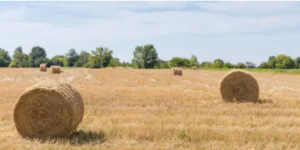 A strong twine is not only used to bind bales together, but also for door latches, knife sheaths, belts, halters and hinges. It’s a reflection of the psyche of small farmers – their ingenuity and ability to make things work (the good side) as well as the refusal to ask for help or slow down enough to perform a sensible repair (the bad side).
Typically made from sisal or synthetic polypropylene, baling twine has a tensile strength ranging from 95 to 325 psi. It is used to bind fibre and other materials, such as silage wrap, into bundles or bales. It is a safe and practical choice for large-scale farming operations.
The strongest baling twine is available in different colours and lengths, which can be tailored to specific needs. For example, shorter spools are ideal for smaller square bales, while longer spools can be used for larger round bales. In addition, many ranchers save excess twine and figure out how to use it later, reducing waste and preventing used twine from ending up on the ground, where it can gum up machinery or be eaten by livestock and cattle (which can lead to severe digestive issues and even death).
The strength of baling twine is measured in knot strength, which refers to the amount of force a piece of twine can hold before breaking. However, it’s more useful to measure tensile strength, which is a better indicator of the quality of twine. In addition, some manufacturers also list tensile strength in kilograms of force per meter (Kg/m), which allows you to compare the performance of different types of twine easily.
Durability
When it comes to hay baling, you need a durable twine. You also need to use high-quality netwrap for a secure bale that protects from weather damage and maintains its shape. It prevents shrinking, which can cause the plastic to tear or create holes. In a recent study, the ASABE found that net-wrapped bales had less loss than those that were twine-wrapped. However, if you want to reduce your costs, you should choose the right twine.
Another option is to buy a thick poly twine with UV protection that’s specifically designed for baling hay. It’s often referred to as “baler twine.” It comes in a 40,000-foot carton and is guaranteed to meet your baling needs. It’s easy to find at Coastal.
Unlike sisal twine, poly twine is made from individual strands of plant materials and is biodegradable. It also has a higher tensile strength and does not contain any taste, smell, or oils that attract rodents.
Biodegradability
Twine is one of the most important tools used by farmers when it comes to baling hay. It binds the hay together, making it sturdy enough for transport and storage. It is also useful in preventing hay from leaking during transportation and storage. Whether you’re looking for polypropylene or sisal twine, there are many options to choose from.
Cost
Although hay production depends on many factors, including weather and timing, farmers can control the amount of time they spend baling. Choosing between netwrap and twine can help them maximise production, maintain hay quality, and minimise storage and handling losses. In addition, using a hygienic wrapping method reduces the likelihood of contamination.
The strong baling twine is a commonly used tool for binding round and square bales of hay, straw, and silage. It is a strong, easy-to-use product that can stand up to lifting, hauling, and storing, even in the harshest weather conditions. Twine can be purchased in a variety of sizes and lengths, making it an economical choice for farmers.
Baling Twine: Choosing Baling Twine for Your Hay Production Needs
Farmers frequently use twine to secure hay bales. When selecting twine for use with producing hay, it is important that it meets your production needs.
Loose twine can be dangerous to horses and damage farm machinery, so it’s crucial that it’s picked up around fields and stalls to keep horses safe. Picking up twine also provides benefits to wildlife such as Osprey; getting caught in it may cause them to lose a wing or toe and starve!
Polypropylene
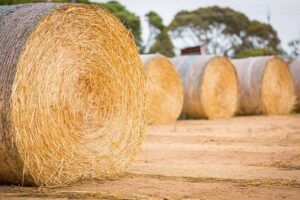 When selecting hay baling twine for baling hay or straw bales, select an effective material to ensure high quality and efficient use. Sisal or synthetic twine work effectively but it’s essential to consider factors like forage needs, baling equipment specifications and storage plans when making this choice.
Polypropylene baling twine is an ideal choice for tying straw and hay bales together, offering high strength, press density, resistance to rot, mildew and UV exposure protection, durability against machine wear and coming in an assortment of colours which makes running through your baling machine effortless.
Prior to purchasing twine for baling purposes, check its guaranteed feet per carton to make sure you can meet production without needing to reload containers too often – this will reduce overall bale costs. In addition, opt for knotting-resistant twine that won’t break during baling so as to maximise production efficiency and quality while optimising production efficiency and quality outputs.
Natural
Natural baling twine is an excellent option for farmers looking to reduce their environmental footprint. Made of biodegradable material, natural twine biodegrades quickly without contributing to landfill waste or clogging sewers; unlike synthetic twine it won’t damage equipment or gum up machinery either! Plus, it comes in different weight options suitable for various farming scenarios.
Selecting an effective binding for hay bales can make them more stable and simpler to stack. There are various methods of binding available – twine, net wrap or wire binding have each their own set of benefits and drawbacks.
Hay baling twine is most often used to secure round hay or straw bales together, but its uses extend far beyond this. Horse owners, for instance, often utilise this material at horse shows and horse stalls to hang ribbons or loop blankets over barred stalls. When properly stored it also prevents hay from rotting during transportation or being lost altogether.
Recycled
As with other plastics, baling twine does not break down quickly in its environment, leaving behind harmful environmental impacts like entangling wildlife or damaging equipment. Furthermore, twine can pose physical threats to livestock or humans when consumed or handled improperly.
While many farmers discard their twine after use, some have taken the initiative to recycle it instead – helping reduce polypropylene baling twine ending up in landfills while simultaneously decreasing how much waste needs to be burned for energy purposes and producing harmful emissions into the atmosphere.
Recycled twine is made up of polypropylene and other recycled materials, offering farmers a cheaper alternative to natural sisal or jute twine while also helping the environment. Four Corners Back Country Horsemen and Alberta Ag Plastic both have baling twine collection stations which make recycling this type of twine convenient and hassle-free.
Colours
Modern baling twine comes in various colours to help track individual paddocks, fields and cutting crews – as well as total annual production – of hay. Additionally, using different coloured twine can quickly make halters for horses, cows or goats that break off in an emergency.
Orange poly hay baling twine is the preferred twine choice for baling hay. This thick twine is strong, rot resistant and UV protected to extend its lifespan, as well as being suitable for round bales due to its high-speed capabilities and strong 90 lb. tensile strength that resists machine wear and rodent damage.
There is a wide range of twine sizes and strengths available, and selecting the appropriate twine will increase productivity in your field while protecting hay quality, feed value, herd health and herd welfare. Weather and timing play a big part in how good your hay turns out – make sure that you choose twine that matches these conditions!
Baling Twine Attributes for Baling
When using baling twine in hay baling, there are several benefits that you should know about. The first is its durability. It can resist acids and many organic solvents and is also digestible. Second, it is highly resistant to breakage, which saves you time during the silage making process.
Durability
 The durability of baling twine cheapest is an important consideration for hay baling. The strength of the twine is determined by the amount of hay packed in it and the type of baler. The knot strength is also important. It measures the force required to break the twine before the bale breaks. Knot strengths can vary from 110 to 500 pounds. Smaller knot strengths are ideal for lighter bales.
The durability of baling twine is important when handling hay bales, so you should use rot-resistant twine if possible. Natural twine is better for small bales, but poly twine is also strong and long-lasting for larger bales. Make sure the twine you buy is long enough to support the bales’ weight fully and is made of a biodegradable material.
Although some farmers prefer natural twines, others are concerned that they will degrade quickly. If you are storing hay indoors, it shouldn’t be a problem, but if you plan to leave it in the field, you may have a problem. If you choose a natural baling twine, store it on a dry, well-drained surface. Then, the bale will be protected from rain and rot.
Baling twine made of natural fibres is the most popular choice for baling hay, but it can break in baling machines. In addition, twine’s strength depends on the baler type and the amount of hay packed in it. The strength of baling twine is measured by knot strength, which indicates how much force it takes before it breaks.
Aside from its durability, baling twine can be purchased in various colours to suit the needs of hay baling. Although black is the most common colour, you may want to opt for a different colour depending on the type of baling machine you own. UV-protected twine is also important.
Resistant to acid
A good baling twine is resistant to acidity and should have high tensile strength. The twine used in hay baling should be durable enough to last through long winters. It should also be resistant to tears and punctures. Some producers of hay worry that natural twine will rot too quickly. However, this is not likely to happen in the case of bales stored under cover or indoors. In addition, bales left in the field can be biodegradable and used as animal feed.
There are three main types of twine used in hay baling: net wrap, twine and wire. Wire is typically used for very large high-compression bales. We previously discussed the pros and cons of net wrap. Twine is not as durable as wire, but it offers several benefits.
Baling twine is available in different colours depending on the type of baler. The most durable colour is black, popular in areas with high solar radiation. In addition, balers can adjust the amount of hay they pack. Choosing a baling twine that is compatible with your baling machine and meets industry standards is important.
Another important consideration when using a baling twine is the moisture content of the bale. Hay must be at least twenty-five percent moist to inhibit fungal growth. In addition, for a bale to be effective, the preservative must be evenly applied to the hay crop when it enters the baling chamber. It can be done by using multiple nozzles on your baler.
The optimal moisture content for baling silage is between fifty and sixty percent. If moisture is less than forty-five percent, you can use acid or propionic acid-based products to reduce microbial activity. Ammonia or urea are other good options. However, consider the logistics of using these acids before using them.
Digestible
When deciding whether or not to use digestible baling twine in hay bales, consider the following factors. First, the twine is not digested as rapidly as hay and can accumulate in the rumen, resulting in an obstruction. The twine can also impede feed intake.
First, consider the type of hay you are baling. For instance, hay stored in a barn should not lose more than five percent of its dry matter in the first year. It will result in little to no digestible nutrients, although it will lose some of its carotene, a precursor to vitamin A.
Another factor to consider is the quality of the baling twine. Modern, digestible twine is durable and holds knots better than older baling twine. It means that it is more likely to prevent the waste of feeds. However, digestible twine can be more expensive than other types of baling twine. For this reason, it is recommended to purchase digestible baling twine from a trusted source.
Biodegradable twine is the best option for farmers. This twine is made from plant materials such as sisal or hemp, which can be recycled after use. Biodegradable twine is also available in many colours and has the same strength as sisal twine.
While natural fibre twine is an excellent option for hay baling, it has the potential to break in a baling machine. Its strength also depends on the type of baler used and the amount of hay that is packed into the baler. The strength of twine is measured in knot strength, which indicates the amount of force necessary to break a knot.
Resistant to many organic solvents
The baling twine used in hay baling has a wide range of characteristics. It is made from different fibre types and is resistant to various organic solvents, acids, and fungi. It is also strong and durable. It is ideal for small and large bales. It is also biodegradable and one of the cheapest natural fibres.
Generally, baling twine is made from polypropylene, which is resistant to most organic solvents. This synthetic fibre can be twisted into rope-like shapes, packed in coils and then packaged in pallets for commercialization. It is available in different qualities and prices, and several companies manufacture it. For example, Reyenvas, a Spanish company, makes various baling twine. The company’s products are specially designed for baling machines and approved by world-renowned manufacturers.
Baler twine comes in a range of colours. Some are more resistant to sunlight than others. Black is the most common colour, but other colours are available too. Compared to a wire fence, baler twine doesn’t get damaged by sunlight or UV rays. And it lasts a lot longer than a wire fence. So, the baler twine has many benefits and is a good choice for hay baling.