Posts By Pat Bryant
VALD’ How Data-Driven Technology Is Transforming Adelaide Physio
Recovering from an injury isn’t simply about waiting for the pain to disappear. For patients in Adelaide, SA, modern physiotherapy increasingly combines clinical expertise with measurable data to understand how the body performs and whether rehabilitation is working. VALD technology helps physiotherapists take this approach further by providing objective measurements of strength, movement, and physical performance.
Rather than relying solely on symptoms or visual observation, clinicians can use data to support assessment and rehabilitation decisions. From sporting injuries to post-operative recovery, these tools can provide useful benchmarks throughout the rehabilitation journey.
What Is VALD Technology in Physiotherapy?
VALD develops digital assessment technologies designed to measure physical performance and movement. In a physiotherapy setting, VALD technology physiotherapy applications can help clinicians quantify aspects of physical function that may otherwise be difficult to assess consistently.
This can be particularly useful during rehabilitation. For example, a patient may report that their knee feels stronger, but measurable differences between limbs can provide additional information that helps a physiotherapist determine whether strength has genuinely improved.
Turning Physical Performance Into Measurable Data
Traditional physiotherapy assessments remain valuable, but objective measurements can add another layer of information. Depending on the equipment being used, clinicians can assess factors such as:
● Muscle strength and force production
● Differences between the left and right sides
● Balance and physical control
● Progress during rehabilitation
● Readiness for specific physical demands
This combination of clinical assessment and measurement can make rehabilitation more targeted and easier to monitor over time.
The Role of ForceDecks Assessment
One of the technologies associated with VALD is ForceDecks assessment, which uses force plates to measure forces produced during movements such as jumping and other functional tasks.
For physiotherapists, this information can help identify movement or strength characteristics that may not be obvious during a standard visual assessment. For example, comparing how each leg contributes during a movement may provide useful information when managing lower-limb injuries.
A ForceDecks assessment is not a diagnosis on its own. Instead, it gives clinicians additional objective information to interpret alongside the patient’s history, symptoms, physical examination, and rehabilitation goals.
Why Objective Strength Testing Matters
Strength testing is an important component of many rehabilitation programs. Objective strength testing can establish a baseline and allow a physiotherapist to compare measurements as treatment progresses.
This can be valuable for Adelaide athletes returning to running, field sports, gym training or other demanding activities. It can also benefit everyday patients recovering from surgery, musculoskeletal injuries or periods of reduced activity.
Tracking Progress Instead of Guessing
Rehabilitation does not always progress in a straight line. Pain may improve before strength returns, or a patient may feel better while still having a measurable deficit.
Using VALD measurements at appropriate stages can help clinicians identify these differences and adjust exercises accordingly. The goal is not simply to produce numbers, but to use meaningful data to support better clinical decisions.
VALD Performance Testing for Adelaide Patients
VALD performance testing can also be useful beyond injury management. Athletes and active people may use performance measurements to establish physical benchmarks, identify asymmetries and monitor changes following training or rehabilitation.
For Adelaide’s sporting community, this data-driven approach can complement hands-on treatment, exercise prescription and movement retraining. Importantly, technology should support—not replace—a qualified physiotherapist’s expertise.
A Smarter Approach to Injury Rehabilitation
VALD’s biggest advantage is its ability to turn aspects of physical performance into measurable information. When combined with a thorough clinical assessment, this can help physiotherapists make rehabilitation more individualised and track progress with greater clarity.
For patients, that can mean a clearer understanding of where they are starting, what they need to improve and how their performance is changing over time.
Conclusion
VALD technology is contributing to a more data-driven approach to physiotherapy in Adelaide. With tools such as ForceDecks, objective strength measurements and performance testing, clinicians can supplement traditional assessments with quantifiable information throughout rehabilitation.
If you are recovering from an injury or preparing to return to sport, speak with an Adelaide physiotherapist about whether technology-assisted assessment could be appropriate for your rehabilitation goals.
—
Frequently Asked Questions
1. What is VALD in physiotherapy?
VALD refers to a range of technology used to measure strength, force, movement, and physical performance during assessment and rehabilitation.
2. What is a ForceDecks assessment?
A ForceDecks assessment uses force plates to measure forces produced during selected physical movements and can provide objective information for clinical assessment.
3. Why is objective strength testing useful?
It can establish measurable baselines, identify differences between limbs and help clinicians monitor changes throughout rehabilitation.
4. Can VALD technology replace a physiotherapist?
No. Technology provides measurements that should be interpreted alongside clinical history, physical examination and professional physiotherapy judgement.
5. Who can benefit from VALD performance testing?
It may be useful for people recovering from injuries, athletes returning to sport and active individuals who need measurable information about physical performance and rehabilitation progress.

Baler Twine for Australian Native Pastures and Dense Tropical Grasses
Baling coarse native grasses presents different challenges from handling softer, cultivated hay. Across Northern Australia and Queensland, producers may work with dense Mitchell grass, Flinders grass, and other tough pasture materials that can place considerable strain on baling equipment and tying systems. Choosing the right baler twine is therefore important for producing secure, well-formed bales that can withstand handling, transport and storage.
A suitable twine needs enough tensile strength for the crop and must work reliably with the baler’s knotting system. Understanding the demands of native grass helps producers select twine suited to their baling conditions.
Why Native Grass Requires Stronger Baler Twine
Native pastures can be coarse, fibrous and difficult to compress consistently. When dense material is packed into a bale, the twine must hold it securely as the compressed grass tries to expand.
This is particularly relevant when baling Mitchell grass and Flinders grass, which can produce firm, heavy bales under suitable harvesting conditions. Twine that doesn’t match the bale density or baler settings may be more vulnerable to stretching, knot failure, or breakage.
A heavy-duty baler twine native grass application calls for a product that delivers dependable knot strength and tension resistance during baling.
What to Look for in Heavy-Duty Twine
Not all twine suits demanding pasture conditions. When comparing options, consider the following characteristics:
● High tensile strength: Strong twine helps maintain bale integrity when dense grass is tightly compressed.
● Reliable knot performance: The twine must consistently form secure knots through the baler’s knotter.
● Consistent diameter: Uniform manufacturing supports predictable feeding and knotting.
● UV resistance: Bales stored outdoors in Queensland and northern regions can be exposed to intense sunlight, making UV stabilisation an important consideration.
● Abrasion resistance: Tough grass and repeated handling can place additional stress on the twine.
The correct specification should also match the baler manufacturer’s recommendations. A stronger twine is not automatically the right choice if its dimensions or handling characteristics suit the machine.
Baling Dense Tropical Grasses in Queensland
Queensland conditions can vary substantially between regions. Producers may encounter high temperatures, intense sunlight, seasonal rainfall and pasture that becomes coarse as it matures. These factors can influence both baling and subsequent bale storage.
Before baling, allow the harvested material to reach an appropriate moisture level for the intended haymaking system. Consider bale density, field conditions, and baler settings because excessive tension can place unnecessary load on the twine and knotting components.
For producers regularly handling dense native pasture, consider heavy-duty agricultural packaging for native grass requirements when selecting consumables, rather than treating twine as a one-size-fits-all product.
Choosing the Right Baler Twine for Your Operation
Start by checking the baler manufacturer’s recommended twine specifications. Then consider the type of grass being harvested, desired bale density, storage conditions and expected handling.
It is also useful to inspect completed bales. Loose knots, broken strands, or an inconsistent bale shape can indicate that twine selection, knotter adjustment, bale density, or crop conditions need attention.
For operations handling coarse native pasture, selecting a dependable baler twine can help support consistent bale formation and reduce avoidable interruptions during a busy harvesting period.
Protect Bale Integrity from Field to Storage
Good twine selection is only one part of reliable baling. Correct machine setup, suitable crop moisture, proper bale density and careful handling all contribute to bale quality.
For Australian producers working with Mitchell grass, Flinders grass or other coarse native and tropical pastures, choose a baler twine specification that matches the crop and equipment. Speak with a reputable agricultural twine supplier about tensile strength, knot performance and UV stabilisation before your next baling season.
—
FAQs
What is heavy-duty baler twine used for?
Heavy-duty twine is designed for applications where bales place higher tension on the tying material, including dense or coarse pasture hay.
Is heavy-duty twine suitable for Mitchell grass?
It can be suitable when its strength and specifications match the baler, bale density and harvesting conditions. Always check equipment recommendations.
Does UV resistance matter for hay stored outdoors?
Yes. Prolonged exposure to sunlight can degrade synthetic twine, so UV stabilisation is an important consideration for outdoor bale storage.
What makes native grass difficult to bale?
Coarse, fibrous material can require substantial compression and may create higher tension on the tying system, particularly when forming dense bales.
How do I choose baler twine for Queensland conditions?
Consider crop type, bale density, baler specifications, knotter requirements, UV exposure and expected storage and handling conditions.


Cosmetic Dentist Adelaide’ Laser Gum Contouring & Reshaping for Gummy Smiles
A smile is more than just the appearance of your teeth. The balance between your teeth, gums and lips can significantly affect how your smile looks. If your gums look too prominent when you smile, laser gum contouring may offer a precise, minimally invasive cosmetic solution.
A consultation with a cosmetic dentist in Adelaide can determine whether excess gum tissue is the primary cause of your gummy smile and whether laser reshaping is appropriate. Modern laser techniques can carefully remove excess soft tissue, helping create a more even gumline and a balanced smile without necessarily requiring extensive surgery.
What Causes a Gummy Smile?
A gummy smile, clinically described as excessive gingival display, can have several causes. These may include excess gum tissue, altered passive eruption, tooth position, lip movement or the proportions of the upper jaw. Because the cause varies between patients, a proper assessment is essential before treatment.
A cosmetic dentist in Adelaide will examine your gums, teeth, bite and smile line to determine whether gum contouring alone can achieve the desired result. In some cases, another treatment or a combination of treatments may be more suitable.
How Does Laser Gum Contouring Work?
Laser gum contouring, sometimes called laser gingivectomy or crown lengthening when clinically appropriate, uses a dental laser to carefully reshape excess gum tissue.
The procedure generally involves:
1. Smile assessment: Your dentist evaluates the gumline and tooth proportions.
2. Treatment planning: Your dentist carefully maps out the desired gum contour.
3. Laser reshaping: A soft-tissue laser removes or sculpts selected areas of gum tissue.
4. Healing and review: Your dentist provides aftercare instructions and checks the healing process.
Research reviews suggest that laser-assisted gingival procedures can offer advantages, including controlled soft-tissue removal and reduced bleeding, compared with certain conventional techniques. However, results depend on the procedure, equipment and individual patient.
Is Laser Gum Reshaping Safe?
When appropriately planned and performed by a qualified dental professional, laser gum contouring can be a safe treatment option. However, laser does not automatically make every gummy smile suitable for treatment.
The dentist must determine how much gum can be safely removed while maintaining healthy periodontal tissues and an attractive tooth-to-gum relationship. Poorly planned treatment can lead to an uneven gumline, recession or other complications, which is why diagnosis and conservative treatment planning matter.
For Adelaide patients considering cosmetic treatment, choosing an experienced cosmetic dentist in Adelaide is important. Ask about the dentist’s experience with gum reshaping, the type of laser used and whether your smile requires treatment beyond the gumline.
Combining Gum Contouring With Other Smile Treatments
Laser gum reshaping may be part of a broader smile makeover. If your teeth are healthy but stained or discoloured, in-chair teeth whitening can quickly brighten your smile under professional supervision.
For patients who prefer at-home whitening, take-home whitening kits prescribed or supplied by a dental professional can provide a more gradual approach. Gum contouring can also be considered alongside veneers or crowns when you plan changes to tooth shape and gum proportions together.
The key is to treat the entire smile rather than focus on one feature in isolation.
Why Choose an Adelaide Cosmetic Dentist?
Local patients can access cosmetic dental practices that offer contemporary techniques for gum reshaping and smile enhancement. A cosmetic dentist in Adelaide can assess your individual facial and dental proportions rather than applying a one-size-fits-all approach.
Your consultation should cover your expectations, treatment options, potential risks, healing requirements, and the expected aesthetic outcome before you proceed.
Conclusion: Create a More Balanced Smile
Laser gum contouring can be an effective option for suitable patients who feel excessive gum display affects their smile. The treatment uses precise soft-tissue reshaping to create a more balanced relationship between the gums and teeth.
If you’re considering treatment, book an assessment with a trusted cosmetic dentist in Adelaide. A personalised consultation can determine whether laser gum contouring is appropriate and whether complementary options, such as in-chair teeth whitening, take-home whitening kits, veneers, or other cosmetic treatments, could complete your smile transformation.
—
Frequently Asked Questions
1. What is laser gum contouring?
Laser gum contouring reshapes excess gum tissue to improve the balance between your teeth and gums, particularly when treating a gummy smile.
2. Is laser gum contouring painful?
Treatment is generally performed with local anaesthesia when required. Your dentist will explain comfort measures and what to expect during recovery.
3. How do I know if I am suitable for gum reshaping?
A cosmetic dentist in Adelaide will assess your gums, teeth, bite and smile proportions before recommending treatment.
4. Can gum contouring be combined with teeth whitening?
Yes. Depending on your smile goals, you may combine gum contouring with in-chair teeth whitening or professionally prescribed take-home whitening kits.
5. Will laser gum contouring work for every gummy smile?
No. Gummy smiles can have different underlying causes. Some patients may require orthodontic, periodontal or other treatment rather than gum reshaping alone.
Stockinette Bags Wrapping Guide’ How Australian Businesses Can Protect Produce and Products with Efficient Packaging
In the Australian retail, agricultural, and logistics sectors, stockinette bags are widely used to protect produce, meat cuts, and industrial items during handling and transport. This stockinette bags wrapping guide explains how to use them properly to maximise product protection, reduce waste, and improve presentation quality across supply chains in Australia, where fresh produce exports and domestic distribution require durable, breathable packaging solutions.
Whether you operate a butcher shop in Melbourne, a fruit packing facility in Queensland, or a wholesale distribution warehouse in Sydney, proper wrapping techniques can significantly improve efficiency and product integrity.
What Are Stockinette Bags and Why They Matter in Australia
Stockinette bags are lightweight, stretchable mesh sleeves typically made from cotton or synthetic fibres. In Australia’s agricultural and food distribution sectors, they are commonly used to wrap items such as citrus fruits, root vegetables, and boxed meat cuts.
Their breathable structure helps prevent moisture buildup, which is especially important in Australia’s warmer climates. In this stockinette bag wrapping guide, understanding the material’s airflow and elasticity is essential, as improper use can lead to bruising or premature spoilage.
Step-by-Step Stockinette Bags Wrapping Guide
Step 1: Selecting the Right Bag Size
Choose a stockinette bag size that matches the product dimensions. Too tight, and you risk damaging the contents; too loose, and the product may shift during transport. In Australian packing facilities, standard sizing is often matched to produce weight categories such as 2kg, 5kg, or 10kg loads.
Step 2: Preparing the Product Surface
Before wrapping, ensure the item is clean and dry. Moisture trapped inside packaging can lead to spoilage, particularly in humid coastal regions like Brisbane or Cairns.
Step 3: Stretching and Loading
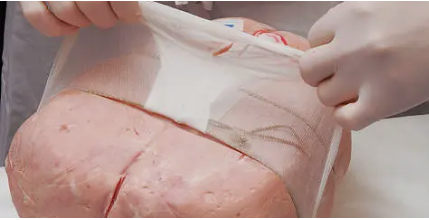
Gently stretch the stockinette bag and slide the product inside. Avoid forcing sharp-edged items that may tear the mesh. In this stockinette bags wrapping guide, controlled stretching is key to maintaining structural integrity.
Step 4: Securing the Ends
Once the item is fully enclosed, twist or knot the ends depending on operational preference. In Australian meat processing plants, automated sealing clips are sometimes used to improve efficiency and ensure compliance with hygiene standards.
Best Practices for Efficient Wrapping in Australian Operations
To optimise packaging workflows, Australian businesses should implement standardised handling procedures. Consistency reduces labour time and improves output quality, especially in high-volume environments.
One important consideration in this stockinette bags wrapping guide is airflow management. Over-tight wrapping can restrict ventilation, while under-secured packaging increases movement damage during transport.
Using colour-coded stockinette rolls can also help quickly identify product categories, particularly in large distribution centres serving supermarkets across Australia.
Common Mistakes to Avoid When Using Stockinette Bags
Many packaging inefficiencies arise from improper handling techniques. Avoid overstretching the material, as this reduces its protective cushioning. Similarly, reusing damaged bags can compromise hygiene standards, particularly in food-related applications.
Another issue in Australian supply chains is inconsistent wrapping tension, which can lead to uneven stacking during palletisation. This stockinette bags wrapping guide highlights the importance of maintaining uniform pressure to ensure stability during transport.
Industrial and Agricultural Applications Across Australia
Stockinette bags are not limited to food packaging. In mining regions and industrial hubs such as Western Australia, they are sometimes used to protect small components or polished materials during shipping.
However, their primary use remains in agriculture and food logistics. Citrus farms in New South Wales and vegetable producers in South Australia rely heavily on stockinette packaging for domestic supply chains and export-grade preparation.
In this stockinette bags wrapping guide, it is important to note that regional climate differences across Australia influence packaging choices, with hotter areas requiring more breathable wrapping materials.
Optimising Storage and Transport Efficiency
Proper stacking and storage of wrapped goods can significantly improve logistics performance. Stockinette-wrapped products should be stored in ventilated areas to prevent heat buildup.
During transport, Australian freight operators often use pallet wrapping techniques in combination with stockinette packaging to stabilise loads. This layered approach improves shock absorption and reduces product loss.
In this stockinette bags wrapping guide, integrating packaging with transport strategy is just as important as the wrapping process itself.
Sustainability Considerations in Australian Packaging
Sustainability is a growing concern across Australian industries. Many businesses are shifting toward reusable or biodegradable stockinette materials to reduce environmental impact.
Cotton-based stockinette options are increasingly preferred for their compostability. Reducing plastic dependency aligns with broader Australian packaging regulations and corporate sustainability targets.
Conclusion: Improving Packaging Standards with Stockinette Bags
Mastering the correct use of stockinette bags can significantly enhance product safety, presentation, and transport efficiency across Australian supply chains. From agriculture to retail distribution, proper wrapping techniques reduce waste and improve overall operational performance.
This stockinette bags wrapping guide demonstrates that small improvements in packaging processes can lead to major gains in product quality, cost efficiency, and customer satisfaction.

Functional Capacity Assessment’ A Step-by-Step Guide for Adelaide Residents Preparing for an Assessment
If you’ve been advised to undergo a functional capacity assessment, it’s natural to wonder what the process involves and how to prepare. Whether you’re applying for disability supports, planning for long-term care, or seeking recommendations to improve your independence, understanding what happens during a functional capacity assessment can help you feel more confident and achieve a more accurate outcome.
For individuals and families across Adelaide, SA, these assessments play an important role in identifying strengths, challenges, and the supports needed to live safely and independently. Preparing in advance ensures the assessor gains a clear picture of your daily abilities and personal goals.
What Is a Functional Capacity Assessment?
A functional capacity assessment is a comprehensive evaluation of a person’s ability to perform everyday activities. Rather than focusing solely on a medical diagnosis, it examines how physical, cognitive, emotional, sensory, and social factors affect day-to-day functioning.
Occupational therapists commonly conduct these assessments by observing real-life tasks, reviewing medical history, discussing daily routines, and identifying barriers that impact independence.
The results are typically used to develop recommendations for supports, assistive technology, therapy, home modifications, or funding applications.
Why Functional Capacity Assessments Are Important in Adelaide
Adelaide is home to a diverse community with varying healthcare, disability, and aged care needs. Functional assessments help ensure individualized support services are tailored to each individual’s unique circumstances rather than relying on assumptions based on medical conditions alone.
Because everyone’s daily routines differ, assessments are designed to reflect each person’s lifestyle, environment, and personal goals.
When Might You Need a Functional Capacity Assessment?
There are several situations where an assessment may be recommended, including:
● Applying for disability support funding.
● Recovering after surgery or injury.
● Managing neurological conditions.
● Experiencing reduced mobility.
● Planning for ageing in place.
● Returning to work after illness.
● Identifying suitable home modifications.
● Evaluating support needs for community participation.
Healthcare professionals, support coordinators, case managers, insurers, and family members may also suggest an assessment when additional evidence is required to guide future care planning.
How to Prepare Before Your Assessment
Preparing beforehand helps ensure the assessment accurately reflects your daily experiences.
Make a List of Daily Activities
Think about tasks you complete independently and those you find difficult. Consider activities such as:
● Personal care
● Cooking meals
● Shopping
● Household cleaning
● Managing medications
● Driving or using public transport
● Social participation
● Employment or study responsibilities
The more detailed your examples, the easier it becomes for the assessor to understand your functional abilities.
Gather Relevant Documents
Bring any reports that may assist the assessor, including:
● Medical reports
● Therapy reports
● Hospital discharge summaries
● Previous assessments
● Medication lists
● Care plans
These documents provide useful background information and reduce unnecessary duplication.
Be Honest About Your Challenges
Many people unintentionally minimise their difficulties because they’ve adapted over time.
Explain both your good days and bad days. If fatigue, pain, anxiety, or cognitive difficulties vary throughout the week, mention this during the assessment.
Providing an accurate picture helps ensure recommendations genuinely reflect your needs.
What Happens During the Assessment?
Every assessment is slightly different, but most follow a structured process.
The assessor will usually begin by discussing your medical history, living arrangements, current supports, goals, and daily routine.
Next, they may observe you performing everyday activities such as:
● Standing and walking
● Reaching for objects
● Preparing simple meals
● Dressing
● Writing or completing paperwork
● Problem-solving tasks
● Memory and concentration exercises
The functional capacity assessment focuses on how you complete activities rather than whether you can complete them at all. Factors such as fatigue, safety, endurance, pain, balance, and the amount of assistance required are all considered.
What Assessors Look For
A comprehensive assessment typically evaluates several areas of functioning.
Physical Abilities
This may include:
● Strength
● Balance
● Coordination
● Mobility
● Fine motor skills
● Endurance
Cognitive Skills
Assessors often examine:
● Memory
● Attention
● Planning
● Decision-making
● Problem-solving
● Organisation
Emotional and Psychosocial Factors
Mental well-being also influences functional performance. Assessors may discuss:
● Motivation
● Emotional regulation
● Confidence
● Stress management
● Social interaction
Environmental Factors
Your home, workplace, school, or community environment can either support or limit independence.
Recommendations may include:
● Home modifications
● Assistive technology
● Mobility aids
● Workplace adjustments
● Community support services
After the Assessment
Following the assessment, the occupational therapist prepares a detailed report summarising their findings.
Depending on the purpose of the assessment, the report may be shared with healthcare providers, funding agencies, insurers, or support coordinators, with your consent.
Common Mistakes to Avoid
To ensure the assessment accurately reflects your needs, avoid these common mistakes:
● Trying to perform better than usual.
● Forgetting to mention fluctuating symptoms.
● Leaving out mental health or cognitive challenges.
● Not discussing pain or fatigue.
● Forgetting to bring supporting documentation.
● Being reluctant to ask questions.
Remember that the purpose of the assessment is not to judge your abilities but to identify supports that improve your quality of life.
Choosing an Experienced Functional Capacity Assessment Provider in Adelaide
Selecting an experienced occupational therapist is essential for receiving a thorough, evidence-based assessment.
Look for professionals who understand local disability services, aged care pathways, rehabilitation, and community support options across Adelaide. Experienced assessors take the time to understand your goals, observe real-world function, and develop practical recommendations tailored to your circumstances.
A well-conducted functional capacity assessment provides more than a snapshot of your current abilities—it creates a roadmap for greater independence, improved safety, and access to the supports that can make everyday life easier. By understanding the assessment process and preparing in advance, Adelaide residents can approach their appointment with confidence and ensure the recommendations accurately reflect their unique needs and future goals.


Dental Implants Adelaide’ Full Breakdown of Surgical & Prosthetic Fees
The final dental implant cost depends on the number of teeth being replaced, the condition of your jawbone, the type of restoration selected, and whether additional procedures are required. Choosing dental implants in Adelaide is a significant investment in your oral health, function and confidence. However, the total price can be confusing because an implant is usually not a single procedure with one fixed fee.
Rather than focusing only on an advertised starting price, it is important to understand what is included in your treatment plan. Knowing how surgical and prosthetic fees fit together can help you compare options and budget more realistically.
What Makes Up the Cost of Dental Implants?
Dental implant treatment generally involves several stages, and each stage may have a separate fee. Your dentist or implant clinician should provide a detailed treatment plan explaining these costs before treatment begins.
1. Initial Consultation and Planning
Treatment normally begins with a comprehensive examination. Your dentist assesses your teeth, gums, bite and overall oral health to determine whether implants are suitable.
Diagnostic imaging may also be required to evaluate bone volume and identify important anatomical structures. Depending on your circumstances, the planning stage may include dental X-rays or 3D imaging.
2. Surgical Implant Placement
The surgical component involves placing the titanium implant fixture into the jawbone. This fixture acts as an artificial tooth root and eventually supports the replacement tooth.
The surgical fee can vary based on the procedure’s complexity and the number of implants required. A straightforward single-tooth case generally follows a different treatment pathway than a full-arch reconstruction.
Additional procedures can also affect the overall dental implant cost, especially when insufficient bone or other oral health issues must be addressed before implant placement.
3. Bone Grafting and Other Preparatory Procedures
Some patients require preparatory treatment before an implant can be placed. For example, bone grafting may be considered when bone volume is inadequate to provide appropriate implant support.
Other possible procedures include tooth extraction or gum disease treatment. These are not automatically required for every patient, so your individual assessment is essential.
Understanding the Prosthetic Fees
The implant fixture is only one part of the finished dental restoration. Once the implant has integrated with the surrounding bone and the treatment is ready for restoration, a connector called an abutment may support the artificial tooth.
The final prosthetic restoration may be a crown, bridge or implant-supported denture, depending on how many teeth are missing and your treatment objectives.
Material selection, laboratory fees, restoration design, and bite complexity can all influence the prosthetic component of the overall price.
How Much Are Dental Implants in Adelaide?
So, how much do dental implants cost? There is no universal price because every case is different. A single implant with a straightforward crown will have a different total fee from multiple implants requiring grafting and a complex prosthetic restoration.
When comparing quotes for dental implants in Adelaide, ask whether the stated fee includes:
● Consultation and treatment planning
● Diagnostic imaging
● Implant placement surgery
● Abutment components
● Crown, bridge or denture restoration
● Temporary teeth, where required
● Bone grafting or extractions, if necessary
● Follow-up appointments
A quote that appears cheaper may exclude some of these components.
Choosing Dental Implants in Adelaide
Cost is important, but it should not be the only consideration. Implant treatment requires careful planning, surgical expertise and a restoration designed to function comfortably and look natural.
Before proceeding, ask your Adelaide dental provider for a written breakdown of the proposed treatment, what is included in the fee and which costs could arise if additional procedures become necessary.
Conclusion
Understanding the difference between surgical and prosthetic fees makes it easier to evaluate the true cost of dental implants. Rather than choosing a provider based solely on a headline price, consider the complete treatment pathway and what your quoted fee covers.
If you are considering dental implants in Adelaide, arrange a consultation with an experienced dental professional to assess your needs and receive an individualised treatment plan and cost estimate.
—
Frequently Asked Questions
1. How much are dental implants in Adelaide?
There is no single price because treatment costs vary with the number of implants, restoration type, surgical complexity, and whether additional procedures are required.
2. What is included in a dental implant cost?
Costs may include a consultation, imaging, implant surgery, an abutment, and the final crown, bridge, or denture. Always confirm inclusions with your dental provider.
3. Are surgical and prosthetic fees separate?
They can be. Implant placement is the surgical component, while the abutment and replacement tooth form part of the prosthetic stage.
4. Does everyone need bone grafting?
No. Bone grafting is generally considered only when there isn’t enough bone to support the planned implant treatment.
5. How can I compare dental implant quotes?
Ask for a written, itemised treatment plan showing surgical, prosthetic, diagnostic and additional fees so you can compare like-for-like treatment.

Laundry Services Adelaide’ 7 Powerful Reasons Outsourcing Your Laundry Is the Smarter Choice in SA
In busy cities like Adelaide, South Australia, time has become one of the most valuable resources. Between work, commuting, family responsibilities, and household responsibilities, many people are finding that doing laundry at home is no longer practical. This is where laundry services come in as a convenient and increasingly popular solution. From residential customers to hospitality businesses, outsourcing washing, drying, and folding is changing daily routines across the city.
Below are seven compelling reasons why more Adelaide locals are making the switch.
1. Time Savings That Add Up Every Week
One of the biggest advantages of professional laundry support is the amount of time it frees up. Washing, drying, folding, and ironing can take several hours each week, especially for larger households.
By using laundry services, Adelaide residents can reclaim that time for work, rest, or leisure activities. Instead of spending weekends sorting clothes, people can focus on family outings along Glenelg Beach or enjoying Adelaide’s food and wine scene.
Over the course of a month, the time savings become significant—often equivalent to an entire working day or more.
2. Professional Cleaning Standards and Better Fabric Care
Home washing machines are convenient, but they often lack the precision and specialised detergents that professionals use. Delicate fabrics, uniforms, and heavily soiled items require different treatment methods.
Modern laundry services use commercial-grade equipment that delivers more consistent results, including improved stain removal, better fabric protection, and enhanced hygiene control. This is particularly important for businesses in hospitality or healthcare across Adelaide, where cleanliness standards are strict.
Clothes also tend to last longer when cared for properly.
3. Cost Efficiency Over Time
At first glance, doing laundry at home may seem cheaper. However, when you factor in water usage, electricity, detergent, machine maintenance, and replacement costs for worn-out clothes, the expenses add up quickly.
Outsourcing to laundry services can actually be more cost-effective in the long run. For families in Adelaide with high laundry volumes, utility and appliance wear savings can offset service fees.
For businesses, bulk pricing makes it even more economical compared to managing in-house laundry operations.
4. Ideal Solution for Busy Adelaide Lifestyles
Adelaide is a growing city with a fast-paced work culture. Professionals working in the CBD, shift workers in healthcare, and students juggling study and part-time jobs often struggle to keep up with household chores.
Using laundry services allows individuals to streamline their routines and reduce daily stress. Many providers also offer pickup and delivery, making the process even more seamless.
This convenience is especially valuable for those living in apartments or shared housing with limited laundry facilities.
5. Hygiene and Sanitisation Benefits
Cleanliness is more than just appearance—it’s also about health. Professional laundry providers use high-temperature washing cycles and specialised sanitising agents that eliminate bacteria, allergens, and odours more effectively than most home machines.
This makes laundry services particularly useful for families with young children, athletes, or anyone with sensitive skin. In Adelaide’s warmer months, when sweat and dust are more common, hygienic washing becomes even more important.
Hospitals, gyms, and accommodation providers also rely on these services to maintain strict hygiene standards.
6. Convenient Pickup and Delivery Options Across Adelaide
Modern laundry services are designed for convenience. Many providers in Adelaide now offer scheduled pickup and drop-off directly from homes or workplaces.
This eliminates the need to travel, wait in queues, or manage multiple loads of washing at once. Customers can simply book online, leave their laundry at the door, and receive it back clean and folded within a short turnaround time.
For busy households, this level of convenience significantly reduces daily friction and improves lifestyle balance.
7. Scalable Solutions for Businesses
It’s not just households that benefit—local businesses across Adelaide increasingly depend on professional laundry providers. Hotels, restaurants, salons, and medical clinics all require consistent linen and uniform cleaning.
Using laundry services allows these businesses to scale operations without investing in expensive machinery or additional staff. It also ensures reliability during peak seasons when demand is high.
Outsourcing laundry helps maintain a professional image while keeping operational costs under control.
Final Thoughts
Whether for households or businesses, the shift toward outsourced cleaning is becoming more common across Adelaide. The combination of time savings, professional results, and cost efficiency makes it a practical solution in today’s busy environment.
For many locals, choosing laundry services is no longer just a convenience—it’s a lifestyle upgrade that supports better time management, improved hygiene, and reduced stress.
As Adelaide continues to grow, demand for reliable laundry solutions is expected to rise, reinforcing the value of outsourcing everyday tasks that no longer need to be done at home.
Home Builder Adelaide’ The Ultimate Checklist to Choosing a Top Rated Home Builder in Adelaide for a Stress-Free Custom Home Build
Building a home is one of the most significant investments you will ever make, and in a growing city like Adelaide, South Australia, the demand for quality construction continues to rise. Choosing the right home builder can mean the difference between a smooth, enjoyable experience and a stressful, costly project. Many homeowners begin their search for a top-rated home builder but quickly discover that ratings alone are not enough to guarantee the right fit.
Adelaide’s housing market offers a wide range of builders—from boutique custom home specialists to large-volume construction companies. Each comes with its own strengths, pricing models, and design philosophies. It makes it essential to understand what truly defines a reliable builder beyond marketing claims or online reviews.
A top rated home builder in Adelaide is typically one that combines proven experience, transparent communication, strong local knowledge, and a consistent track record of delivering homes on time and within budget. However, ratings can sometimes be influenced by limited reviews or selective feedback, so homeowners should dig deeper before making a final decision.
When starting your search, consider not only aesthetics and price but also structural quality, contract clarity, and after-build support. Adelaide’s unique climate conditions—hot summers, variable rainfall, and coastal exposure in some suburbs—also mean that local expertise is crucial when selecting materials and construction methods.
Understanding What Makes a Builder Truly “Top Rated”
Before committing to any builder, it’s important to understand what contributes to a high rating. Reputation is built over time through consistent project delivery, client satisfaction, and adherence to building regulations in South Australia. A top-rated home builder will typically have:
Verified client testimonials across multiple platforms
Transparent quoting with minimal hidden costs
Strong portfolio of completed homes in Adelaide suburbs
Proper licensing and insurance compliance in SA
Clear communication throughout each stage of construction
Many homeowners assume that the highest-rated builder is automatically the best choice, but this is not always true. Instead, alignment between your budget, design expectations, and builder capabilities is what truly matters.
Researching Builders in the Adelaide Market
Adelaide has a competitive home-building industry, with builders operating across areas such as Glenelg, Norwood, Mawson Lakes, and the Adelaide Hills. Each region presents different construction challenges—from coastal corrosion risks to sloping land requirements.
A smart approach is to shortlist at least three builders and compare their offerings in detail. Look at their display homes, request itemised quotes, and evaluate their communication style. A top-rated home builder will not rush your decision but will instead provide clear guidance and realistic timelines.
It is also important to ask about subcontractor management. Many delays in home construction come from poor coordination between trades. Builders who manage their own trusted network of electricians, plumbers, and carpenters tend to deliver more consistent results.
Key Questions to Ask Before Signing a Contract
Once you narrow down your options, prepare specific questions such as:
How many homes do you build per year in Adelaide?
What is your average build time?
How do you handle variations or unexpected costs?
Can I visit a construction site in progress?
The answers to these questions reveal whether a builder is genuinely experienced or simply marketing themselves as a top-rated home builder without operational depth.
You should also request clarity on warranties and defect liability periods. In South Australia, builders must comply with strict consumer protection laws, but the level of post-construction support can still vary significantly.
Evaluating Design Flexibility and Customisation
One of the most overlooked aspects of choosing a builder is the design flexibility it offers. Some companies specialise in pre-designed project homes with limited modification options, while others offer fully custom architectural builds.
If your goal is a unique home tailored to your lifestyle, you should prioritise builders who collaborate closely with architects and interior designers. A top-rated home builder should be able to balance creativity with practical construction limits, ensuring your vision is achievable without compromising structural integrity or budget.
Adelaide homeowners often seek open-plan layouts, energy-efficient designs, and integration with outdoor living due to the local climate. Builders familiar with these preferences can significantly improve long-term livability.
The Importance of Transparency and Communication
Communication is one of the strongest indicators of a reliable builder. From the initial consultation to final handover, you should feel informed and confident at every stage.
A professional, top-rated home builder will provide regular updates, clear documentation, and honest timelines. They will also be upfront about potential delays caused by weather, supply chain issues, or council approvals—common challenges in the Adelaide construction environment.
Poor communication is often the root cause of disputes in home building projects, so this factor should never be underestimated.
Final Thoughts: Making a Confident Decision in Adelaide
Choosing a home builder is not just about finding the highest-rated name online; it is about finding a partner who understands your vision, budget, and long-term goals. Adelaide offers a strong selection of experienced professionals, but careful evaluation is essential to ensure a successful outcome.
When selecting a top-rated home builder, focus on real-world performance, transparency, and local expertise rather than ratings alone. Take time to compare, ask questions, and review past work before committing.
With the right approach, building your dream home in Adelaide can be a structured, rewarding, and even enjoyable experience—resulting in a home that is not only beautifully designed but also built to last for decades.

Free Home Appraisal vs Paid Valuation in Auckland’ Which Option Gives Homeowners Better Value’
A free home appraisal is often the first step for homeowners in Auckland who want to understand their property’s current market value before selling, refinancing, or making investment decisions. However, not all free home appraisal services operate the same way across the city. In Auckland, significant differences exist between the Auckland CBD, North Shore, and South Auckland due to variations in housing density, buyer demand, and property data availability. These regional differences influence how appraisals are conducted, how accurate they are, and how quickly results are delivered.
Understanding these distinctions helps homeowners set realistic expectations and choose the right property professional for their suburb.
Why Auckland Suburbs Require Different Appraisal Approaches
Auckland is not a uniform housing market. Each region behaves like a distinct micro-market, which directly affects valuation methodology.
● Auckland CBD: High-density apartments, mixed-use developments, and rapid turnover require data-heavy comparative analysis.
● North Shore: Predominantly family homes with strong school zoning influence and relatively stable price trends.
● South Auckland: More diverse housing stock, including first-home buyer properties and investment rentals, often with wider price variability.
Because of these differences, a free home appraisal in each area is tailored using different data inputs and valuation weightings.
Auckland CBD: Data-Driven and Fast-Moving Appraisals
In Auckland’s central business district, property valuation is heavily reliant on recent sales data from apartments and high-rise units.
Appraisers typically use:
● Automated valuation models (AVMs) supported by recent comparable apartment sales
● Building-specific metrics such as floor level, view quality, and leasehold vs freehold status
● Rental yield analysis for investor-focused properties
A free home appraisal in the CBD is usually completed quickly, often within 24–48 hours, because much of the data is already digitised and readily available. However, accuracy can vary depending on the uniqueness of each building and the limited number of comparable sales in niche developments.
Turnaround times are fast, but the appraisal is often more model-driven than inspection-heavy.
North Shore: Balanced Methodology with High Emphasis on Condition
North Shore properties generally consist of standalone homes in suburbs such as Takapuna, Albany, and Devonport. These homes often require a more hands-on valuation approach.
Key appraisal methods include:
● On-site property inspections to assess condition, renovation quality, and layout
● Comparative Market Analysis (CMA) using recent suburban sales
● Strong weighting on school zones and lifestyle appeal
A free home appraisal on the North Shore typically takes 2–4 days due to the need for physical inspections and detailed market comparison. Accuracy tends to be higher than CBD automated estimates because property condition plays a larger role in valuation.
This region also experiences moderate price stability, meaning appraisals are generally consistent unless market conditions shift significantly.
South Auckland: Broad Variability and Community-Level Comparisons
South Auckland, including Manukau, Papakura, and Mangere, offers a more varied housing market. Properties range from entry-level homes to newly developed subdivisions and investment properties.
Appraisal methodology here includes:
● Suburb-level sales comparison due to fewer direct property matches
● Emphasis on land size, development potential, and zoning
● Strong consideration of rental demand and yield for investors
A free home appraisal in South Auckland may take 3–5 days, depending on property complexity. Turnaround is slightly longer due to broader price dispersion and fewer tightly matched comparables.
While digital tools are still used, human judgment plays a larger role in refining final estimates.
Key Differences in Methodology Across Regions
The valuation differences across Auckland are primarily driven by three factors:
1. Data Availability: CBD properties have dense sales data, while South Auckland relies more on broader comparisons.
2. Property Type Consistency: North Shore has a more uniform housing stock than other regions, with a mix of property types.
3. Buyer Demand Patterns: Investor-heavy CBD markets differ significantly from family-oriented North Shore suburbs and growth-driven South Auckland areas.
These differences shape how appraisers interpret value signals in each region.
Turnaround Time Comparison
Turnaround times for a free home appraisal vary based on inspection requirements and data complexity:
● Auckland CBD: 1–2 days (fast, data-driven)
● North Shore: 2–4 days (inspection-based)
● South Auckland: 3–5 days (broader market analysis required)
The more property-specific input required, the longer the appraisal process tends to take.
How to Choose the Right Appraisal Approach
Homeowners should consider the following when requesting a valuation:
● If speed is the priority, CBD-style automated appraisals offer quick insights
● If accuracy is essential, especially for standalone homes, North Shore-style inspections are preferable
● If the property is investment-focused or in a developing suburb, South Auckland-style broader analysis is more appropriate
A free home appraisal should always be viewed as an informed estimate rather than a definitive market price, especially in rapidly changing conditions.
Conclusion
Auckland’s property market is segmented, and appraisal methods reflect that reality. CBD valuations are fast and data-driven, North Shore appraisals are inspection-heavy and balanced, and South Auckland valuations rely on broader comparative analysis due to market diversity.
By understanding these differences, homeowners can interpret their appraisal results more effectively and make better-informed decisions when selling, refinancing, or investing in property.

Battery Rebate’ The Day Your Power Goes Out Is When You’ll Find Out What Your Battery Actually Does
Sarah and Michael have done everything they thought they needed to prepare for rising electricity costs. Their rooftop solar system generates power during the day, they’ve installed a home battery after claiming a battery rebate, and they assumed they had been protected when the grid failed.
The Battery Has Energy—But That Doesn’t Mean Your House Can Use It
Sarah and Michael’s battery is working exactly as designed. It stores electricity generated by their solar panels and is ready to discharge when needed.
The problem is that their system wasn’t configured to automatically supply the home during a grid outage.
Under normal conditions, their solar and battery system operates alongside the electricity grid. When the grid goes down, the system may shut down or isolate itself to prevent electricity from being sent back into power lines while network crews are working.
This safety mechanism is essential, but it creates a surprising outcome for homeowners who assume stored energy automatically means uninterrupted electricity.
● Grid-connected operation isn’t the same as backup operation: A battery can reduce grid consumption without providing electricity during an outage.
● Blackout protection may require additional equipment: Some installations need specific backup hardware, switching equipment or an appropriate inverter configuration.
● The system must be designed for the job: If backup power wasn’t part of the original installation, the battery may not be able to power the home during an outage.
This is why homeowners considering a battery rebate should look beyond the advertised storage capacity. A battery’s ability to store energy and provide emergency power are separate questions.
In Adelaide, where severe weather can cause unexpected power interruptions, that distinction deserves serious attention before installation—not after the first blackout.
What Actually Keeps Running During an Outage?
Even when a battery system is configured for backup, homeowners shouldn’t assume every appliance in the house will continue operating normally.
Many backup systems are designed around essential loads. Instead of powering the entire property, the system supplies electricity to selected circuits considered important during an outage.
The difference becomes particularly important during an Adelaide summer blackout. Keeping a fridge and a few lights operating is one thing. Running a large ducted air conditioner for several hours requires a completely different amount of energy.
The battery may have plenty of capacity on paper, but the inverter must also handle the electrical load.
That’s why the right question isn’t simply, “How many kilowatt-hours does my battery store?”
It’s also, “Which appliances can it actually power when the grid is down?”
Your Battery’s Inverter and State of Charge Can Change the Outcome
Imagine the same storm hitting Adelaide two years later. Sarah and Michael have upgraded their system to include backup functionality.
This time, when the grid fails, selected lights stay on, and the refrigerator continues running. But their air conditioner still won’t start.
The reason could be a combination of inverter limitations, appliance demand and battery management.
The inverter plays a crucial role by converting the battery’s stored DC power into usable AC power for household appliances. Its power output determines how much electrical demand the backup system can handle at any given moment.
Meanwhile, the battery’s state of charge matters enormously.
● Battery capacity: The amount of energy a battery can store and use over time.
● Inverter capacity: Determines how much electrical power can be delivered at once.
● State of charge: Determines how much energy is actually available when the outage begins.
●
Consider a blackout that starts after several cloudy days. If the battery is only partially charged, the household may have significantly less backup duration than expected.
Alternatively, a fully charged battery might provide enough energy for essential appliances for many hours, but it can drain rapidly if several high-demand devices operate simultaneously.
This is where a battery rebate can complicate consumer expectations. An incentive may make battery ownership more accessible, but it doesn’t automatically mean the resulting system is optimised for emergency backup. The rebate is only one part of the decision; system design determines what happens when the grid disappears.
The Questions to Ask Before the Next Blackout
The most uncomfortable time to discover your battery isn’t configured for backup is during an actual outage.
Before installing or upgrading a system, Adelaide homeowners should ask their installer to explain exactly what will happen when the grid fails.
● Will the battery operate during a blackout? Confirm whether the system includes the necessary backup functionality and whether it automatically transitions to backup mode.
● Which circuits will remain powered? Request a clear list of essential circuits and appliances, rather than assuming the entire home will remain operational.
● How long will backup power last? Request realistic scenarios based on your household’s actual electricity consumption, battery capacity and likely state of charge.
It’s also worth asking what happens when the battery is nearly empty. Some systems can recharge from solar during an outage, but this depends on the system architecture, inverter configuration, available sunlight, and other technical factors.
The answers matter because backup power ultimately comes down to expectations.
A homeowner who expects to keep a refrigerator, medical equipment and internet connection running may have very different requirements from someone expecting to operate an entire home as if nothing happened.
Don’t Wait for the Storm to Test Your Battery
The fictional blackout that caught Sarah and Michael off guard could happen to any Adelaide household. The lesson isn’t that home batteries are unreliable. Homeowners need to understand exactly what they have purchased.
A battery can store solar energy and reduce grid dependence, but it offers little or no protection during a blackout if it isn’t designed and configured for backup operation.
So, if you’re considering a battery installation or planning to claim a battery rebate, don’t stop at questions about storage capacity, savings or incentives. Ask the more important question: “What exactly will happen in my home when the power goes out?”
Your next step should be to have a qualified installer assess your home’s energy needs and provide a clear backup power plan. Confirm the inverter’s capabilities, identify essential-load circuits, understand your expected battery runtime and establish whether solar recharging is possible during an outage.