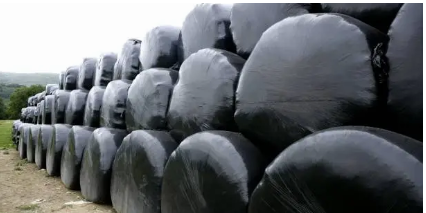
Silage Plastic’ Essential Usage Tips for Australian Farmers
Silage plastic plays a crucial role in modern Australian agriculture, helping farmers preserve forage efficiently while maintaining its nutritional value. For livestock producers across Australia, using high-quality silage plastic correctly can mean the difference between well-preserved feed and significant spoilage losses. Understanding proper use, storage, and handling techniques is essential to maximising silage longevity and protecting farm investments.
Choosing the Right Silage Plastic for Australian Conditions
The Australian climate presents unique challenges, from intense summer heat to heavy rainfall in certain regions. Selecting the right type of silage plastic is the first step to ensuring feed quality. UV-resistant films are particularly important for farms in northern and eastern Australia, where sun exposure can quickly degrade standard plastics. Multi-layer films offer superior oxygen barriers, reducing the risk of mould and spoilage.
Farmers should also consider the thickness of the plastic. Thicker films provide better puncture resistance, which is essential in areas with rough terrain or when handling silage with machinery. By investing in high-quality silage plastic designed for Australian conditions, farmers can protect their forage against environmental factors that compromise its quality.
Proper Wrapping Techniques
Correct wrapping of silage bales is vital to avoid oxygen infiltration, which can lead to spoilage. Australian farmers are advised to use at least 4 layers of plastic for optimal coverage, with some regions benefiting from 5 or 6 layers due to higher temperatures and UV exposure. Carefully overlapping edges and ensuring a tight seal can prevent air pockets, which are breeding grounds for mould and yeast.
Using automated bale wrappers where possible improves consistency, while manual wrapping requires attention to detail. Avoid wrapping in wet conditions, as moisture trapped between the plastic layers can accelerate spoilage. Additionally, keeping the work area clean reduces the risk of punctures from sticks, stones, or farm equipment.
Storage and Handling Tips
Once wrapped, silage bales must be stored correctly to maintain quality. In Australia, storing bales on slightly elevated ground prevents water pooling, particularly during the wet season. Covering bales with protective netting or additional plastic sheeting shields them from birds, rodents, and harsh sunlight.
Handling silage carefully is equally important. Avoid dragging bales across rough surfaces, as this can tear the plastic and expose the silage to air. Using forklifts or bale grabs designed for silage reduces the risk of punctures and ensures the integrity of the wrap. Regularly inspecting bales for signs of damage allows farmers to address issues promptly, preserving the nutritional value of the feed.
Environmental Considerations and Recycling
Australian farmers are increasingly aware of the environmental impact of silage plastic. While feed preservation is essential, responsible disposal and recycling are crucial. Many rural councils and agricultural supply companies in Australia now offer silage plastic recycling programs, allowing used films to be repurposed rather than sent to landfills.
When recycling is not immediately available, storing used plastic in a designated area until collection can prevent environmental contamination. Educating farm staff about proper disposal methods and participating in local recycling initiatives support sustainable farming practices while maintaining compliance with environmental regulations.
Cost-Effective Practices
Optimising the use of silage plastic can also reduce farm expenses. Using the correct amount of plastic without overwrapping minimises material costs, while proper storage and handling reduce spoilage losses. Bulk purchasing from Australian suppliers often results in cost savings, and investing in durable, high-quality films can extend their lifespan, providing better value over multiple seasons.
Furthermore, training staff in proper wrapping and handling techniques ensures consistency and reduces waste. Small adjustments, such as adjusting bale sizes to match plastic dimensions or scheduling wrapping during cooler parts of the day, can improve efficiency and overall feed preservation.
Conclusion
Silage plastic is an indispensable tool for Australian farmers, offering a reliable method to preserve high-quality forage for livestock. By selecting the right plastic, applying correct wrapping techniques, ensuring proper storage and handling, and practising environmentally responsible disposal, farmers can maximise the benefits of their silage. Implementing these tips not only enhances feed quality but also reduces costs and supports sustainable farming practices across Australia.
Proper attention to the use of silage plastic ensures that every bale delivers optimal nutrition to livestock while minimising waste. For Australian farmers seeking to improve efficiency while maintaining high feed standards, these practical tips provide a clear roadmap to success.
Comments are Disabled