Posts By Pat Bryant

Custom Home Builder Adelaide’ A Complete Guide to Designing Your Ideal Home in South Australia
Finding the right custom home builder is one of the most important decisions you will make when planning a new property in South Australia. Whether you’re building in suburban growth corridors or established inner areas of Adelaide, the builder you choose directly impacts design quality, construction timelines, and long-term value.
This guide breaks down what to look for, how to compare builders, and how to avoid costly mistakes when selecting a custom home builder in the Adelaide market. If you are aiming for a tailored home that reflects your lifestyle, working with a skilled custom home builder Adelaide ensures your vision is translated into a functional, compliant, and high-quality build.
Understanding What “Custom” Really Means in Adelaide
A true custom build goes beyond standard project homes. In the Adelaide housing market, custom builders work from scratch—designing layouts, selecting materials, and adapting floor plans to suit land conditions and council requirements.
A reputable custom home builder Adelaide will typically offer:
● Full architectural design collaboration
● Site-specific engineering solutions
● Flexible floor plan adjustments
● Material and finish customisation
● Energy efficiency optimisation for South Australian climate conditions
This level of flexibility is particularly valuable in diverse locations across South Australia, where block shapes, slopes, and soil conditions can vary significantly.
How to Evaluate Custom Home Builders
At around the 250-word stage of your research, it becomes clear that not all builders offer the same level of expertise. Choosing a custom home builder Adelaide requires evaluating both technical capability and design alignment.
Key evaluation criteria include:
1. Portfolio Depth
Look for completed homes similar in complexity and style to what you want.
2. Design Collaboration Process
Strong builders integrate architects, draftspeople, and clients into a unified workflow.
3. Transparent Pricing Structure
Detailed quotes should break down site works, materials, labour, and contingencies.
4. Local Experience
Builders familiar with Adelaide council regulations reduce approval delays and redesign costs.
A well-established custom home builder Adelaide will also have relationships with local suppliers and subcontractors, which can improve build efficiency and material consistency.
Budgeting and Cost Expectations in Adelaide Builds
One of the most common challenges homeowners face is managing expectations around cost. A custom home builder Adelaide will typically price builds based on complexity rather than fixed packages.
Factors influencing cost include:
● Land preparation (especially in sloped Adelaide Hills sites)
● Architectural complexity
● Material selection (brick, timber, steel framing, etc.)
● Energy efficiency ratings
● Council approval requirements
In many cases, properties in outer suburbs or elevated regions like the Adelaide Hills require additional engineering, which can increase total build cost.
A professional custom home builder Adelaide should provide staged cost planning, helping you adjust design elements early as part of a structured home design process before construction begins.
Design Trends Shaping Adelaide Homes
Modern Adelaide homes are increasingly influenced by climate responsiveness and lifestyle flexibility. A leading custom home builder Adelaide will incorporate design features such as:
● Open-plan living with indoor-outdoor flow
● Passive solar orientation to reduce energy costs
● Natural ventilation systems
● Minimalist façade designs with mixed materials
● Multi-use rooms for remote work and flexible living
These trends are especially relevant in a market like Adelaide, where warm summers and cool winters require efficient thermal design strategies.
At this stage of planning, your custom home builder Adelaide should also be advising on long-term livability rather than just aesthetics.
Navigating Approvals and Compliance
Every build in South Australia must comply with local council regulations and national construction codes. This is where experience becomes critical.
A qualified custom home builder Adelaide will manage:
● Development applications (DA)
● Building permits
● Engineering certifications
● Energy efficiency compliance
● Inspections at each construction stage
Failing to account for compliance early can result in delays or redesign costs. Builders familiar with Adelaide councils streamline this process significantly.
Common Mistakes to Avoid When Choosing a Builder
Many homeowners rush into contracts without sufficient due diligence. When selecting a custom home builder Adelaide, avoid these common pitfalls:
● Choosing solely based on the lowest price
● Not reviewing previous builds in person
● Ignoring contract inclusions and exclusions
● Failing to confirm communication processes
● Overlooking timeline realism
A reliable builder will be transparent about limitations and potential risks from the start.
Final Thoughts
Building a custom home is a major investment, and the success of your project depends heavily on choosing the right partner. A trusted custom home builder Adelaide brings together design expertise, local knowledge, and construction precision to deliver a home that suits both your lifestyle and long-term financial goals.
Whether you are building in central Adelaide or in surrounding growth areas, careful selection ensures your project is efficient, compliant, and tailored to your vision.
By focusing on experience, transparency, and design capability, you can confidently move forward with a builder who understands the demands of modern South Australian living.

Net Wrap Australia’ Choosing the Right Bale Net Wrap for Efficient Hay and Silage Storage
In Australian agriculture, efficiency in hay and silage handling is critical due to large-scale livestock operations and variable weather conditions. One of the most important consumables in bale production is net wrap, which ensures compact, well-protected bales during storage and transport. Choosing the right net wrap can significantly affect feed quality, storage losses, and operational costs. In this guide, we explore how Australian farmers can select the best net wrap for their needs, what factors matter most, and how to improve bale performance across different climates and farming systems.
Net wrap is widely used across Australia in cattle and sheep farming operations because it provides faster bale finishing than traditional twine and offers improved weather resistance. Understanding its properties helps farmers maximise productivity and reduce spoilage.
What Is Net Wrap and Why It Matters in Australia
Net wrap is a polyethylene-based material used in round balers to secure hay, straw, or silage into tight cylindrical bales. Unlike twine, it evenly covers the bale surface, improving shape retention and reducing air exposure.
In Australian conditions—where high heat, coastal humidity, and sudden rainfall are common—net wrap plays a vital role in preserving forage quality. Poor-quality wrapping can lead to spoilage, mould growth, and nutrient loss, which directly affects livestock performance and feed costs.
Farmers also prefer net wrap because it increases baling efficiency, enabling more bales per hour than traditional methods.
Key Factors When Choosing Net Wrap in Australia
Selecting the right product involves balancing durability, compatibility, and cost-effectiveness.
1. Bale Type and Density
Different balers produce varying bale densities. High-density silage bales require stronger net wrap with higher tensile strength to maintain shape during transport and stacking.
2. Australian Climate Conditions
Regions such as Queensland and Northern NSW experience high humidity, while South Australia and WA face dry, hot conditions. UV-resistant net wrap is essential across all regions to prevent degradation during outdoor storage.
3. Roll Length and Coverage Efficiency
Longer rolls reduce downtime during baling operations. Farmers managing large properties often prefer high-capacity rolls to minimise interruptions.
4. Material Strength and Stretch
High-quality net wrap should stretch evenly across the bale surface, ensuring full coverage without tearing. This is especially important in rough hay conditions or when bale edges are uneven.
Benefits of Using High-Quality Net Wrap
One of the main advantages of net wrap is improved operational efficiency. It significantly reduces baling time compared to twine systems, allowing farmers to complete harvests faster during tight weather windows.
Another benefit is improved consistency in bale shape. Well-wrapped bales stack more efficiently, reducing storage space requirements and transport instability.
Additionally, better surface coverage reduces moisture penetration, which is crucial for maintaining feed quality in unpredictable Australian weather conditions.
Common Mistakes Farmers Make with Net Wrap
Despite its benefits, improper usage can reduce effectiveness:
● Using low-grade wrap for high-density bales
● Incorrect tension settings on balers
● Storing rolls in direct sunlight before use
● Ignoring compatibility with baler models
Each of these issues can lead to premature breakage or poor bale sealing, increasing waste and reducing feed value.
How Australian Farmers Can Maximise Net Wrap Performance
To achieve the best results, farmers should regularly maintain their baling equipment and adjust settings based on crop type. Dry hay typically requires a different wrapping tension than silage or straw.
It is also recommended to store net wrap rolls in cool, shaded areas to maintain material integrity before use. This prevents brittleness and ensures smoother application during peak harvesting periods.
Investing in quality-tested products designed for Australian conditions can also reduce long-term costs by minimising breakage and waste.
Cost Considerations and Value for Money
While premium options may cost more upfront, net wrap often delivers better long-term value by reducing spoilage and improving baling efficiency. Farmers should evaluate the cost per bale rather than just the roll price to understand the true value.
Bulk purchasing or seasonal ordering can also help reduce costs, especially for large-scale livestock operations.
Environmental and Storage Considerations
Modern agricultural practices in Australia are increasingly focused on sustainability. Many net wrap products are now designed for improved recyclability, reducing environmental impact after use.
Proper disposal and recycling programs are becoming more widely available, helping farmers manage agricultural plastic waste responsibly while maintaining operational efficiency.
Conclusion
Choosing the right net wrap is a strategic decision for Australian farmers aiming to improve feed preservation, operational efficiency, and cost control. By understanding bale requirements, climate conditions, and product quality, farmers can significantly enhance their hay and silage management systems.
With the right selection and handling practices, net wrap becomes more than just a consumable—it becomes a key factor in maintaining livestock productivity and farm profitability across Australia.

Solar Battery Rebate Adelaide’ Eligibility, Savings, and Application Guide
Rising electricity prices in South Australia have prompted many homeowners in Adelaide to seek smarter ways to reduce energy costs. One of the most effective solutions is installing home battery storage alongside solar panels. The solar battery rebate has become a key incentive helping households lower upfront installation costs while improving long-term energy independence.
In Adelaide, where solar adoption is already among the highest in Australia, this incentive is playing a major role in accelerating battery uptake. Understanding how it works, who qualifies, and how much you can actually save is essential before making an investment decision.
What is the Solar Battery Rebate in Adelaide?
The solar battery rebate Adelaide initiative refers to government-backed incentives designed to reduce the upfront cost of installing home battery systems. These rebates may come from state-level programs, federal schemes, or retailer-specific incentives tied to Virtual Power Plants (VPPs).
In practical terms, the rebate reduces the purchase price of a battery system that stores excess solar energy generated during the day. Instead of exporting all unused power back to the grid, homeowners can store it and use it at night or during peak pricing periods.
This shift not only lowers electricity bills but also improves grid stability across South Australia, which has one of the highest rooftop solar penetration rates in the world.
Eligibility Requirements for Adelaide Homeowners
To access incentives linked to the solar battery rebate, Adelaide residents typically need to meet several criteria:
1. Residential Property Ownership
Most programs require you to be the owner-occupier of a residential property in South Australia.
2. Existing or New Solar System
Some rebates require an existing solar PV system, while others allow combined solar-and-battery installations.
3. Approved Battery Systems
Only approved battery brands and systems listed under government or energy provider programs qualify.
4. Installer Accreditation
Installation must be completed by a Clean Energy Council (CEC) accredited installer to ensure safety and compliance.
5. VPP Participation (Optional but Increasingly Required)
Some incentives require participation in a Virtual Power Plant, allowing excess stored energy to be shared with the grid during peak demand periods.
Meeting these conditions ensures your installation qualifies for available financial incentives and maximises your long-term return on investment.
How the Solar Battery Rebate Works in South Australia
The solar battery rebate Adelaide system works by offsetting part of the upfront cost of a home battery installation. Depending on the program, savings can range from a few thousand dollars to significantly more when combined with federal incentives.
Here’s how the process generally works:
Step 1: System Assessment
An accredited installer assesses your household’s energy use, solar capacity, and the appropriate battery size.
Step 2: Rebate Application
The installer or homeowner applies for the rebate before or during installation, depending on program rules.
Step 3: Upfront Discount or Cashback
Approved rebates are applied either as an upfront discount on the installation cost or as a post-installation reimbursement.
Step 4: Energy Storage Benefits Begin
Once installed, the battery stores excess solar energy, reducing reliance on grid electricity and lowering power bills.
The long-term financial benefit often comes not just from the rebate itself but from ongoing energy savings and reduced peak electricity charges.
Cost Savings and Long-Term Value
Installing a battery system in Adelaide can lead to substantial financial and lifestyle benefits. While upfront costs can still be significant, rebates dramatically reduce the entry barrier.
Typical savings include:
● Reduced evening electricity bills by using stored solar energy
● Lower exposure to peak energy pricing
● Potential income through VPP participation
● Increased energy independence during outages
Over time, households can see thousands of dollars in cumulative savings, especially when combined with high solar generation capacity in South Australia’s climate.
The solar battery rebate Adelaide program plays a key role in improving the payback period, making battery systems more financially viable for average households.
How to Apply for the Solar Battery Rebate
Applying for the rebate is generally straightforward, but attention to detail is important:
1. Compare Approved Providers
Check eligible installers and battery systems under the current South Australian programs.
2. Get a Site Assessment
A professional installer will evaluate your energy usage and recommend a suitable system.
3. Submit Application
Applications are typically lodged through the installer or energy retailer.
4. Installation and Verification
Once approved, the system is installed and inspected for compliance.
5. Activation of Benefits
After installation, rebates are applied, and your system begins operating under the program structure.
Working with experienced installers helps ensure paperwork and eligibility requirements are handled correctly.
Common Mistakes to Avoid
Many homeowners miss out on savings due to avoidable errors:
● Choosing non-approved battery systems
● Using unaccredited installers
● Applying after installation when pre-approval is required
● Not understanding VPP obligations
● Underestimating household energy usage needs
Avoiding these mistakes ensures you maximise both rebate value and long-term system performance.
Final Thoughts
The solar battery rebate Adelaide initiative is one of the most impactful energy incentives available to homeowners in South Australia. With rising electricity prices and increasing solar adoption, battery storage is no longer a luxury but a practical step toward energy resilience.
By understanding eligibility requirements, application steps, and long-term savings, Adelaide households can make informed decisions that reduce costs and improve energy independence for years to come.

Business Vehicle Finance in Australia’ How an Updated Novated Lease Calculator Is Reshaping Salary Packaging Decisions
Australia’s vehicle financing landscape is shifting rapidly, particularly as electric vehicles, salary packaging, and tax-efficient structuring become more mainstream. One of the most influential tools driving this change is the updated novated lease calculator. For employees and employers alike, it is now a key decision-support system that helps estimate real-world take-home pay impacts, running costs, and Fringe Benefits Tax (FBT) implications before committing to a lease.
In a market where fuel prices, interest rates, and EV incentives continue to fluctuate, the accuracy and transparency of finance tools have never been more important. This article explores how modern business vehicle finance strategies are evolving across Australia and why updated calculators are now essential for making informed decisions.
The Rise of Smarter Vehicle Finance Tools in Australia
Traditional car financing methods often required manual estimates, generic assumptions, or broker-driven advice. Today, digital transformation enables real-time cost modelling based on salary, tax brackets, vehicle type, and driving habits.
In particular, the updated novated lease calculator has become a critical entry point for employees considering salary packaging a vehicle. Unlike older tools, modern versions incorporate live tax thresholds, state-based registration fees, fuel or charging costs, and EV-specific incentives.
For Australian workers navigating cost-of-living pressures, this shift in transparency has significantly improved confidence in long-term vehicle commitments.
Understanding Novated Leasing in a Modern Context
A novated lease is a three-way agreement between an employee, employer, and finance provider. It allows vehicle costs to be bundled into a pre-tax salary arrangement, potentially reducing taxable income while simplifying budgeting.
Within broader business vehicle finance strategies, novated leasing stands out for blending personal and employment-based financial structures. This hybrid model is especially popular among professionals in metropolitan areas like Sydney, Melbourne, Brisbane, and Perth, where commuting costs and vehicle dependency are high.
The key advantage is predictability: instead of managing separate expenses for fuel, insurance, maintenance, and registration, these are typically bundled into a fixed regular payment.
Why the Updated Novated Lease Calculator Matters
The updated novated lease calculator has changed how Australians evaluate affordability. Instead of relying on rough estimates, users can now input detailed financial data to simulate outcomes more accurately.
These calculators now typically include:
● Current income tax brackets and Medicare levy impacts
● Vehicle purchase price and residual value projections
● EV rebates and government incentives (where applicable)
● Estimated running costs based on usage patterns
● Employer contribution structures
This level of precision allows employees to compare leasing versus buying with far greater clarity.
Importantly, it also reduces the risk of overestimating tax savings—a common issue in older leasing models.
Tax Efficiency and Salary Packaging Advantages
One of the primary drivers of novated leasing adoption in Australia is the opportunity for tax-effective salary packaging. By structuring vehicle expenses through pre-tax salary deductions, employees may reduce their taxable income depending on their arrangement.
The updated novated lease calculator plays a crucial role here by modelling real net outcomes rather than theoretical savings. This includes factoring in post-tax deductions, GST treatment, and potential FBT exemptions, particularly for eligible electric vehicles.
For many Australians, especially middle- to high-income earners, this can result in meaningful monthly cash flow improvements when structured correctly.
The Impact of Electric Vehicles on Novated Leasing
Electric vehicles (EVs) have significantly influenced modern business vehicle finance trends. With government incentives and lower operating costs, EVs are increasingly packaged in novated lease arrangements.
The updated novated lease calculator is especially important in this context because EV cost structures differ from traditional combustion vehicles. Electricity costs, charging infrastructure assumptions, and maintenance savings must all be factored into accurate projections.
In Australia, EV-friendly policy changes have also improved the attractiveness of salary packaging arrangements, particularly for fleet and corporate employees transitioning to cleaner transport options.
Common Mistakes When Using Lease Calculators
Despite improvements in accuracy, users still make several common errors when using online tools:
● Entering outdated salary or tax information
● Ignoring residual value obligations at lease end
● Overestimating fuel or charging savings
● Failing to account for employer-specific policies
● Comparing leasing to buying without equivalent assumptions
The updated novated lease calculator reduces some of these risks, but users still need to ensure inputs are realistic and aligned with current Australian financial conditions.
How Businesses Are Adapting Vehicle Finance Strategies
Employers are also increasingly involved in shaping vehicle finance outcomes. Many organisations now offer novated leasing as part of broader salary packaging benefits, particularly in competitive talent markets.
From an HR and payroll perspective, integrating tools like the updated novated lease calculator helps employees visualise benefits more clearly, improving uptake and satisfaction.
This aligns with a broader trend in Australia where non-cash benefits are becoming a key part of compensation strategy, especially in sectors like healthcare, education, IT, and government services.
The Future of Novated Leasing in Australia
Looking ahead, novated leasing is expected to become even more data-driven. Integration with payroll systems, real-time fuel and electricity pricing, and AI-driven financial forecasting are likely to further enhance accuracy.
As business vehicle finance continues to evolve, tools like the updated novated lease calculator will play a central role in helping Australians make smarter, more personalised financial decisions.
With increasing EV adoption and continued tax reform discussions, the relevance of these calculators is only expected to grow.
Conclusion
The evolution of vehicle financing in Australia is being shaped by transparency, digital tools, and shifting consumer expectations. The updated novated lease calculator is at the centre of this transformation, offering individuals and employers a clearer, more accurate way to assess salary packaging and leasing decisions.
For anyone exploring business vehicle finance, understanding how to use these tools effectively is now essential to making financially sound, future-ready decisions.
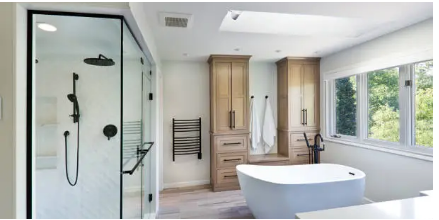
Bathroom Renovations Adelaide’ How to Prepare Your Home for a Smooth Bathroom Remodel
If you are planning Bathroom Renovations Adelaide, proper preparation is the difference between a smooth, well-managed project and a stressful, disruptive experience. Renovating a bathroom is one of the most impactful home upgrades in South Australian properties. Still, it involves plumbing coordination, material planning, and temporary facility loss—so preparation is essential.
This guide walks Adelaide homeowners through exactly how to prepare their homes, budgets, and expectations so the renovation process runs efficiently from demolition to final handover. Whether you live in a heritage home in Norwood or a modern build in Glenelg, these steps will help you avoid delays, cost overruns, and unnecessary stress.
1. Plan Your Layout, Budget, and Expectations Early
The first stage of preparing for a bathroom renovation is understanding what you actually want to achieve. Many Adelaide homeowners underestimate how design decisions impact cost and timeline.
With bathroom renovations Adelaide, the most common early mistakes include changing layouts after construction begins or selecting fixtures without checking plumbing compatibility. To avoid this, finalise your layout, tile selections, vanity style, shower type, and lighting plan before work starts.
Budget planning should include:
● Demolition and labour costs
● Plumbing and electrical upgrades
● Waterproofing (mandatory under Australian standards)
● Fixtures and fittings
● A contingency buffer of 10–20%
Setting realistic expectations early ensures fewer surprises once construction begins.
2. Prepare Your Home for Disruption and Limited Access
Once construction starts, your bathroom will be unusable for a while. Adelaide households often underestimate how disruptive this can be, especially in homes with only one bathroom.
If you are undertaking bathroom renovations Adelaide, plan alternative arrangements in advance. This may include:
● Using another bathroom in the home (if available)
● Setting up temporary shower access at a gym or pool
● Coordinating schedules with family members to reduce congestion
● Planning around school and work routines
It is also important to protect nearby rooms from dust and debris. Renovation zones should be sealed properly to minimise impact on the rest of your home.
Clear communication with your contractor about access times, noise expectations, and delivery schedules will also help reduce stress during construction.
3. Check Plumbing, Electrical, and Structural Conditions
Before demolition begins, your home should be assessed for underlying issues. Many older Adelaide properties—particularly in suburbs like Unley or Prospect—have outdated plumbing or electrical systems that must be upgraded during renovation.
When planning bathroom renovations Adelaide, ensure your contractor inspects:
● Pipe condition and water pressure
● Drainage layout and fall
● Electrical safety compliance
● Waterproofing integrity in surrounding walls and floors
Failing to address these issues early can lead to delays or costly variations mid-project. A thorough pre-renovation inspection ensures your renovation meets South Australian building standards and avoids compliance issues later.
4. Select Materials That Suit Adelaide Conditions
Adelaide’s climate—hot summers and mild winters—can influence material performance over time. Choosing the right tiles, grout, and fixtures is essential for durability and longevity.
Midway through planning bathroom renovations Adelaide, homeowners should prioritise materials that balance aesthetics with practicality. Porcelain tiles, moisture-resistant cabinetry, and corrosion-resistant fixtures are commonly recommended for long-term performance.
Key considerations include:
● Slip resistance for bathroom flooring
● Moisture and mould resistance
● Easy-to-clean surfaces
● Timeless design choices that won’t date quickly
Selecting materials early also prevents delays caused by supply shortages or extended lead times, which are common in renovation projects across South Australia.
5. Manage Timeline Expectations and Contractor Scheduling
Bathroom renovations are highly sequential—each stage depends on the completion of the previous one. This means delays in plumbing or waterproofing can affect the entire schedule.
For bathroom renovations Adelaide, typical stages include:
1. Demolition
2. Rough-in plumbing and electrical
3. Waterproofing
4. Tiling
5. Fixture installation
6. Finishing and detailing
Homeowners should expect some flexibility in timelines, especially if unexpected structural issues arise. Weather conditions and supplier delays can also impact schedules in Adelaide, particularly during peak renovation seasons.
Having a clear written timeline from your contractor helps you track progress and manage expectations effectively.
6. Final Preparation Before Work Begins
In the final stage before construction starts, small preparation tasks can significantly improve workflow efficiency. Clear out all personal items, ensure access points are unobstructed, and confirm delivery arrangements for materials.
If you are completing bathroom renovations Adelaide, this is also the time to double-check all design selections and sign off on final plans. Changes made after this point often lead to additional costs or delays.
Homeowners should also:
● Confirm council approvals (if required)
● Notify neighbours about upcoming noise
● Secure pets away from construction areas
● Set expectations with all household members
These final steps ensure a smoother start to your renovation project.
Conclusion
Preparing for a bathroom renovation is just as important as the construction itself. From budgeting and material selection to managing household disruption, every step plays a role in ensuring a successful outcome. With proper planning, bathroom renovations Adelaide can transform your home into a more functional, modern, and valuable space without unnecessary stress or delays.
By taking the time to prepare your Adelaide home correctly, you set the foundation for a renovation that runs efficiently and delivers long-lasting results.

Upholsterers Adelaide’ Custom Furniture Restoration, Reupholstery Costs, and How to Choose the Right Expert
In a city like Adelaide, where heritage homes and contemporary apartments coexist, upholstery services play a key role in both restoration and interior design upgrades. When searching for upholsterers Adelaide, most people are looking for more than just a repair service—they want skilled craftsmanship that can revive worn-out furniture, extend its lifespan, and match modern or classic interior styles.
Whether you are refurbishing a vintage lounge suite, re-covering dining chairs, or modernising a commercial fit-out, choosing the right upholsterer can significantly impact durability, comfort, and aesthetics.
Why Upholstery Services Matter in Adelaide Homes and Businesses
The demand for upholstery work in Adelaide is driven by a mix of practicality and design preference. Furniture replacement can be expensive, and in many cases, restoration is more cost-effective and sustainable.
Professional upholsterers Adelaide services typically include:
● Reupholstering sofas, armchairs, and recliners
● Replacing worn foam and cushioning
● Repairing timber or internal framing
● Updating fabrics to suit modern interiors
● Restoring antique or heirloom furniture
In regions like South Australia, where temperature fluctuations and long-term furniture use are common, quality upholstery work ensures longevity and comfort while preserving sentimental value.
Understanding Upholstery Materials and Their Uses
One of the most important decisions when hiring upholsterers Adelaide professionals is selecting the right materials. Fabric choice affects durability, maintenance, comfort, and visual appeal.
Common upholstery materials include:
1. Natural Fabrics
Cotton, linen, and wool are breathable and comfortable but may require more maintenance. They suit traditional and relaxed interior styles.
2. Synthetic Fabrics
Polyester, microfiber, and blends are highly durable and stain-resistant, making them ideal for families or commercial spaces.
3. Leather and Faux Leather
Leather offers a premium look and long lifespan, while faux leather provides a cost-effective alternative with easier maintenance.
4. Performance Fabrics
Designed for heavy use, these are commonly used in commercial upholstery and high-traffic homes.
A skilled upholsterer will guide you through fabric selection based on usage patterns, sunlight exposure, and design goals.
Cost Factors for Upholstery Services in Adelaide
Pricing for upholsterers Adelaide services varies widely depending on several key factors:
● Size and type of furniture
● Fabric choice and material quality
● Complexity of design or restoration work
● Structural repairs required
● Labour intensity and craftsmanship level
While many people initially consider replacement cheaper, upholstery can be more economical for high-quality or sentimental furniture pieces. In many cases, furniture restoration also reduces environmental waste by extending product life cycles.
How to Choose the Right Upholsterer in Adelaide
Finding reliable upholsterers Adelaide professionals requires more than a quick online search. Quality varies significantly across providers, so careful evaluation is essential.
1. Check Experience and Specialisation
Look for upholsterers who specialise in the type of furniture you own—whether modern, vintage, or commercial.
2. Review Previous Work
A strong portfolio demonstrates skill, attention to detail, and consistency in finishing.
3. Ask About Materials
Experienced upholsterers will offer transparent advice on fabric durability, sourcing, and maintenance.
4. Compare Quotes Carefully
The cheapest option is not always the best. Consider value, craftsmanship, and material quality together.
5. Ask About Turnaround Time
Quality upholstery work takes time. Be cautious of unusually fast completion promises.
Custom Upholstery Trends in Adelaide Interiors
Modern upholsterers Adelaide services are increasingly influenced by interior design trends. In Adelaide homes and businesses, several styles are currently popular:
● Neutral tones with textured fabrics for minimalist interiors
● Bold statement furniture pieces using patterned upholstery
● Eco-friendly materials for sustainable design projects
● Mid-century modern restoration for vintage appeal
In a design-conscious city like Adelaide, upholstery is no longer just about repair—it is part of broader interior transformation.
Commercial Upholstery Applications
Beyond residential use, upholsterers Adelaide services are widely used in commercial settings such as:
● Restaurants and cafés
● Hotels and accommodation venues
● Office reception areas
● Medical and wellness clinics
Durability, hygiene, and branding consistency are key considerations in commercial upholstery projects. High-performance materials are typically used to withstand heavy daily use.
Extending the Life of Upholstered Furniture
Proper maintenance can significantly extend the life of reupholstered furniture. Professionals often recommend:
● Regular vacuuming to remove dust and debris
● Immediate stain treatment to prevent fabric damage
● Rotating cushions for even wear
● Keeping furniture out of direct sunlight
These practices help preserve both appearance and structural integrity, ensuring your investment lasts longer.
Final Thoughts
Choosing the right upholsterers Adelaide service is about balancing craftsmanship, material quality, and design understanding. Whether restoring a family heirloom or upgrading commercial seating, professional upholstery can transform furniture into long-lasting, functional, and visually appealing pieces.
In a diverse, design-driven city like Adelaide, upholstery remains a practical and creative solution for sustainable interior design. With the right expert, even worn-out furniture can be given a completely new life, combining comfort, durability, and style.

Arborist Adelaide Hills’ How to Choose a Qualified Arborist for Safe Tree Removal and Pruning
The Adelaide Hills region is known for its dense native vegetation, large residential trees, and frequent exposure to strong winds and seasonal storms. Because of this, property owners often need professional tree care to manage safety risks, maintain tree health, and comply with local council regulations. Finding the right arborist Adelaide Hills service is essential for ensuring trees are maintained properly without damaging your property or the surrounding environment. Whether you’re dealing with overgrown gums, storm-damaged limbs, or trees growing too close to structures, choosing a qualified expert can make a significant difference in both safety and long-term tree health.
Why professional tree care matters in the Adelaide Hills
Trees in the Adelaide Hills are often mature, tall, and deeply rooted, growing on uneven terrain. Species such as eucalyptus and pine can become hazardous when not properly maintained. Strong winds, saturated soil, and dry summer conditions can increase the likelihood of falling branches or complete tree failure.
Engaging a professional arborist Adelaide Hills specialist ensures that trees are assessed with a deep understanding of local environmental conditions. Arborists are trained to identify structural weaknesses, disease, pest infestations, and root instability before they become serious hazards. This preventative approach reduces the risk of property damage and improves the overall safety of residential and rural properties.
Common tree issues in the Adelaide Hills
Homeowners in the region frequently encounter several recurring tree problems:
● Storm damage causing cracked or hanging branches
● Root interference with driveways, foundations, or plumbing
● Overgrown canopies blocking sunlight or views
● Fungal infections and pest infestations
● Fire risk associated with dry vegetation during summer
●
Because these issues often develop gradually, they are easy to overlook until they become urgent. Regular inspections by a qualified arborist help detect early warning signs and prevent costly emergency interventions.
When to call an arborist
Knowing when to seek professional help is crucial. You should contact a tree specialist if you notice:
● Large dead branches in the canopy
● Trees leaning suddenly or increasingly over time
● Visible trunk decay or hollow sections
● Branches touching power lines or structures
● Excessive leaf drop outside seasonal patterns
In these situations, a certified arborist Adelaide Hills provider can perform a risk assessment and recommend the most appropriate solution, whether that involves pruning, bracing, or full removal.
Key services offered by arborists
Professional arborists provide a wide range of services designed to manage tree health and safety:
Tree pruning and shaping
Pruning helps maintain structural integrity, encourages healthy growth, and removes hazardous limbs. Proper pruning techniques also effectively reduce stress on the tree.
Tree removal
When a tree becomes unsafe or diseased beyond recovery, removal may be necessary. This is especially important in densely populated residential areas, where falling branches could cause significant damage.
Risk assessment and reporting
Arborists evaluate trees for structural stability and provide reports that may be required for council approvals or insurance claims.
Emergency storm response
After severe weather events, arborists assist with clearing fallen branches, stabilising damaged trees, and preventing further hazards.
How to choose the right arborist in the Adelaide Hills
Not all tree services offer the same level of expertise. When selecting a provider, consider the following:
● Certification and qualifications: Look for arborists with recognised training in tree care and safety standards.
● Insurance coverage: Ensure they carry public liability insurance for protection against accidental damage.
● Experience with local species: Knowledge of native Adelaide Hills vegetation is essential for proper care.
● Equipment and safety practices: Professional-grade equipment and adherence to safety protocols are non-negotiable.
● Reputation and reviews: Local feedback can provide insight into reliability and workmanship.
Choosing an experienced arborist Adelaide Hills professional ensures that work is completed safely, efficiently, and in full compliance with local regulations.
Cost factors for tree services
Pricing for arborist work in the Adelaide Hills varies depending on several factors:
● Tree size and height
● Accessibility of the site
● Complexity of the work required
● Urgency (e.g., emergency callouts after storms)
● Disposal of green waste
While it may be tempting to go for the cheapest option, quality and safety should always be the priority. Poorly executed tree work can lead to long-term damage and higher future costs.
Preventive tree care for long-term safety
Regular maintenance is the most effective way to avoid emergency tree issues. Scheduling periodic inspections allows arborists to manage growth, remove weak branches early, and monitor tree health over time. This is especially important in bushfire-prone and storm-affected areas of the Adelaide Hills.
A trusted arborist Adelaide Hills provider can develop a long-term care plan tailored to your property, ensuring trees remain healthy, stable, and visually appealing throughout the year.
Final thoughts
Tree management in the Adelaide Hills requires local expertise, technical skill, and a strong focus on safety. Whether you need pruning, removal, or a detailed risk assessment, working with a qualified arborist ensures your trees are properly maintained and your entire property remains protected. With the region’s unique environmental conditions, investing in professional care is not just beneficial—it is essential for long-term safety and landscape health.

Commercial Fit Outs Adelaide’ Why Open-Plan Office Design Is Redefining Modern Workspaces in Adelaide
In Adelaide’s evolving business landscape, companies are increasingly prioritising flexibility, collaboration, and efficient use of space when planning office environments. This shift has driven strong demand for design strategies such as commercial fit outs open layouts, which focus on removing unnecessary barriers and creating fluid, adaptable workspaces. Businesses are no longer satisfied with rigid cubicle-based offices; instead, they are investing in environments that encourage communication, creativity, and productivity.
For organisations exploring commercial fit outs Adelaide solutions, open-plan design has become a leading choice due to its ability to balance aesthetics with operational efficiency. This article explores why open layouts are transforming commercial interiors across Adelaide and how businesses can leverage them for long-term value.
The Rise of Open-Plan Design in Adelaide Workplaces
Over the past decade, Adelaide businesses—from startups in the CBD to established firms in industrial precincts—have embraced open-plan environments as part of broader workplace transformation strategies. The popularity of commercial fit outs open layouts stems from their adaptability and cost efficiency.
Unlike traditional office layouts that rely on fixed walls and segmented rooms, open-plan designs optimise floor space, reduce construction costs, and enable easier reconfiguration as business needs evolve. This flexibility is particularly valuable in Adelaide’s competitive commercial property market, where maximising every square metre matters.
Another driving factor is workplace culture. Companies are recognising that physical environments influence collaboration and morale. Open layouts encourage spontaneous communication, which can lead to faster problem-solving and improved innovation.
Key Benefits of Open Layout Commercial Fit Outs
Businesses investing in modern office redesigns are increasingly selecting commercial fit outs open layouts because of several strategic advantages:
1. Improved Collaboration and Communication
Open environments naturally reduce barriers between teams, encouraging more frequent interaction. This is particularly valuable for creative agencies, tech companies, and service-based firms operating in Adelaide’s growing commercial sectors.
2. Space Efficiency and Cost Savings
Removing internal walls allows for better use of available floor area. This often reduces construction complexity and ongoing maintenance costs, making commercial fit outs Adelaide projects more cost-effective in the long term.
3. Flexibility for Future Growth
As businesses expand or restructure, open layouts enable quick modifications without extensive renovation. This adaptability is essential for companies that anticipate change.
4. Enhanced Natural Light Distribution
Open designs improve the flow of natural light throughout the workspace, reducing reliance on artificial lighting and creating a more pleasant working environment.
Design Considerations for Open-Plan Fit Outs in Adelaide
While open layouts offer clear advantages, successful implementation requires thoughtful planning. Not all businesses benefit from a completely open environment without structure or zoning.
One of the key challenges in commercial fit outs open layouts is managing noise levels. Without proper acoustic treatment—such as ceiling panels, carpeted areas, or acoustic partitions—sound can travel freely, affecting productivity.
Another consideration is privacy. Many Adelaide businesses incorporate hybrid solutions, combining open work areas with enclosed meeting rooms, breakout spaces, or soundproof pods to balance collaboration with confidentiality.
Ergonomics also plays a major role. The layout must support comfortable workstation spacing, efficient movement, and compliance with accessibility standards.
How Adelaide Businesses Are Adopting Hybrid Open Layouts
Modern commercial fit outs Adelaide projects are increasingly moving toward hybrid designs rather than fully open or fully enclosed spaces. This approach blends the benefits of open-plan environments with the functionality of private zones.
For example, many offices now feature:
● Central open workstations for team collaboration
● Glass-walled meeting rooms for visual openness with sound control
● Informal lounge areas for brainstorming sessions
● Quiet zones for focused individual work
This hybrid model ensures that commercial fit-outs with open layouts remain practical across industries, from finance and legal firms to creative studios and startups.
Sustainability and Modern Workplace Design
Sustainability is becoming a core consideration in Adelaide’s commercial property sector. Open layouts contribute to greener office design by reducing the need for extensive building materials and improving energy efficiency through better lighting distribution.
Many businesses undertaking commercial fit outs Adelaide projects are also incorporating recycled materials, energy-efficient lighting systems, and modular furniture that can be reused or reconfigured as needed.
These environmentally conscious decisions not only reduce operational costs but also align with corporate sustainability goals, which are increasingly important for brand reputation and compliance.
The Future of Commercial Fit Outs in Adelaide
Looking ahead, demand for commercial fit outs open layouts is expected to continue growing as businesses prioritise agility and employee experience. However, the future will likely focus less on purely open environments and more on intelligent spatial design.
Technology integration will also play a major role, with smart office systems managing lighting, temperature, and occupancy levels to optimise workspace efficiency.
Adelaide’s commercial sector is steadily moving toward offices that are not just functional, but adaptive ecosystems designed to support diverse working styles.
Conclusion
Open-plan design has fundamentally reshaped how businesses approach workplace planning in South Australia. Through well-executed commercial fit outs Adelaide projects, organisations can create environments that are flexible, efficient, and aligned with modern work culture.
When carefully designed, commercial fit outs open layouts deliver measurable benefits in collaboration, cost efficiency, and employee satisfaction—making them a strategic investment for businesses aiming to remain competitive in Adelaide’s evolving market.
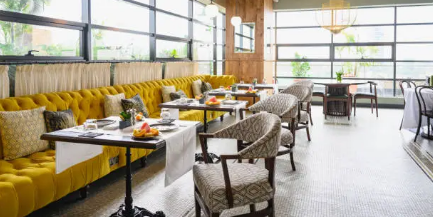
Banquette Seating Adelaide Cost in 2026′ Custom vs Modular Pricing Guide Explained
If you’re researching banquette seating in Adelaide, you’re usually trying to solve one key question first: what it will actually cost in 2026 before committing to a renovation, café fit-out, or residential upgrade. Pricing for banquette seating in Adelaide varies widely depending on whether you choose custom joinery or modular systems, as well as materials, complexity, and installation requirements.
In Adelaide’s current interior fit-out market, banquette seating is priced either on a linear metre rate for commercial work or with a fixed project quote for residential builds. Understanding the difference between custom and modular options is essential to budgeting accurately.
Typical Banquette Seating Costs in Adelaide (2026 Overview)
Across Australia, and reflected in Adelaide pricing, banquette seating is generally priced per metre or per section, depending on the build type.
Typical 2026 ranges include:
● Basic upholstered seating: $500–$900 per metre
● Standard custom banquette seating: $700–$1,100 per metre
● Premium commercial-grade installations: $900–$2,000+ per metre
Final costs in Adelaide can shift depending on upholstery grade, structural framing, fire compliance requirements, and installation complexity.
Custom Banquette Seating in Adelaide (High-End, Tailored Builds)
Custom banquette seating is the preferred option for cafés, restaurants, hotels, and high-end residential interiors in Adelaide, where precise fit and design consistency matter.
This option is fully manufactured to specification and installed on-site, which allows complete control over dimensions, shape, and finish.
What drives the cost
Custom pricing is higher due to:
● Bespoke carpentry and internal timber framing
● High-density foam and commercial upholstery
● On-site measurement and design detailing
● Installation labour and site integration
● Optional features such as curved layouts, storage compartments, or integrated lighting
Adelaide cost range (2026)
● Small residential seating nook: $3,000–$6,000
● Medium dining booth (2–4 metres): $6,000–$12,000
● Full hospitality installations: $12,000–$30,000+
Lead times in Adelaide typically range from 4–10 weeks, depending on workshop availability and design complexity.
Best suited for
Custom builds are ideal when you need:
● Wall-to-wall precision fitting
● Durable commercial-grade construction
● Brand-consistent interior design
● Integrated storage or architectural features
Modular Banquette Seating (Flexible and Budget-Friendly)
Modular banquette seating is gaining popularity in Adelaide for its affordability, quick installation, and flexibility. Instead of being built from scratch, modular systems use pre-fabricated units that can be arranged into different layouts.
Why does it cost less
Modular systems reduce labour and design time, which significantly lowers installation costs compared to custom joinery.
Adelaide cost range (2026)
● Entry-level modular units: $800–$2,500 per section
● Mid-range commercial modules: $2,500–$5,000 per section
● Premium modular systems: $5,000–$10,000+ per configuration
Best suited for
Modular seating works well for:
● Office breakout areas
● Rental or leased commercial spaces
● Budget-conscious café setups
● Fast turnaround fit-outs
The trade-off is reduced design flexibility compared to custom-built solutions.
Custom vs Modular Banquette Seating: Cost Comparison
Understanding the differences between these two options helps clarify where your money goes.
Cost structure
● Custom: Higher labour and craftsmanship costs
● Modular: Lower labour, standardised production
Design flexibility
● Custom: Fully tailored dimensions and finishes
● Modular: Limited to predefined shapes and modules
Installation
● Custom: Requires on-site fitting and carpentry work
● Modular: Minimal installation, faster setup
Longevity and value
● Custom: Higher durability and long-term aesthetic integration
● Modular: More affordable upfront, but less tailored longevity
Hidden Costs to Consider in Adelaide Projects
When budgeting for banquette seating in Adelaide, the quoted price often excludes additional expenses that can affect your final spend.
Common extras include:
● Premium upholstery upgrades (leather or designer fabrics)
● Fire-retardant compliance for commercial spaces
● Delivery and installation charges
● Structural wall reinforcement is required
● Custom tables, charging ports, or lighting integration
Most projects should allow a 10–20% contingency buffer beyond initial quotes.
What Adelaide Clients Are Actually Spending in 2026
Based on current fit-out trends and commercial furniture pricing in Adelaide, typical spending looks like this:
● Residential projects: $4,000–$10,000
● Small cafés and boutique venues: $8,000–$20,000
● Full-scale hospitality fit-outs: $20,000–$50,000+
The biggest cost driver is whether the seating is decorative or engineered for high-volume commercial use.
Final Takeaway
Choosing between custom and modular banquette seating in Adelaide comes down to balancing budget, flexibility, and long-term use.
If you need a fast, cost-effective solution, modular seating is the practical choice. If you’re designing a long-term interior where durability, branding, and precise spatial fit matter, custom banquette seating offers stronger long-term value despite the higher upfront investment.
In 2026, Adelaide’s market makes one thing clear: the right choice isn’t just about price—it’s about how the seating will function in your space over time.
West Lakes Physio Cool Down Exercises That Prevent Injury
Cooling down properly after exercise is one of the most overlooked components of training, yet it plays a crucial role in reducing soreness and preventing injuries. Whether you’re a weekend runner along the West Lakes coastline, a gym-goer in suburban Adelaide, or an athlete training competitively, structured recovery can significantly improve performance longevity. Many people seek guidance from West Lakes physio professionals to understand how proper post-exercise routines can protect muscles, joints, and connective tissues from unnecessary strain.
Cool-down exercises help transition the body from high-intensity activity back to a resting state, supporting cardiovascular regulation, flexibility, and muscular recovery. In West Lakes, SA, where outdoor sports and active lifestyles are common, integrating an effective cool-down routine is essential for long-term physical health and injury prevention.
Why Cool Down Exercises Matter for Injury Prevention
Cool down exercises are not just optional—they are a physiological necessity for recovery and injury prevention. After exercise, your heart rate is elevated, your blood vessels are dilated, and your muscles are loaded with metabolic by-products, such as lactate. Without a gradual reduction in intensity, the body may experience dizziness, stiffness, or delayed recovery. Many clients visiting West Lakes physio clinics are surprised to learn that skipping a cool down can contribute to muscle tightness and overuse injuries over time.
A structured cool-down helps restore homeostasis by gradually lowering heart rate and improving venous return. Light aerobic movement, such as walking or slow cycling, allows the circulatory system to efficiently clear metabolic waste. This reduces post-exercise soreness and promotes faster tissue repair.
Flexibility also improves during the cool-down phase. Muscles are warmer and more elastic, making this the optimal time for static stretching. Targeting major muscle groups—such as hamstrings, quadriceps, calves, and shoulders—helps restore the normal range of motion and reduce joint stiffness.
In the local active sporting community, from AFL training sessions to recreational fitness groups along West Lakes, proper recovery strategies are essential. Over time, consistent cool-downs can significantly reduce the likelihood of strains, sprains, and tendon irritation.
Effective Cool Down Exercises You Can Do Anywhere
A proper cool down does not require equipment and can be completed in 10–15 minutes. The key is a gradual reduction in intensity followed by targeted stretching and controlled breathing. Sports and rehabilitation experts, including those at West Lakes physio, often recommend combining light movement with static stretches for optimal recovery.
Start with 5–7 minutes of low-intensity aerobic activity. This could include slow jogging, walking, or cycling at an easy pace. The goal is to progressively lower your heart rate rather than stopping abruptly. This phase supports cardiovascular recovery and prevents blood pooling in the lower limbs.
Next, move into static stretching. Hold each stretch for 20–30 seconds without bouncing. Focus on the major muscle groups used during your workout:
● Hamstring stretch to relieve posterior thigh tightness
● Quadriceps stretch to reduce anterior thigh tension
● Calf stretch to improve ankle mobility
● Chest and shoulder stretches for upper-body recovery
Breathing control is also critical. Deep diaphragmatic breathing helps activate the parasympathetic nervous system, which promotes relaxation and recovery. Many physiotherapists in West Lakes emphasise this step as it reduces post-exercise nervous system stress.
Foam rolling can also be incorporated for myofascial release. This technique helps reduce muscle adhesions and improves circulation in tight areas. It is especially beneficial after strength training or long-distance running.
Consistency is key. Performing these exercises after every session reinforces healthy movement patterns and reduces cumulative strain over time.
Integrating Cool Downs into West Lakes’ Active Lifestyle
Adelaide’s climate and lifestyle make outdoor physical activity highly popular, from cycling along coastal paths to team sports in local parks. However, the region’s active population also experiences a high incidence of preventable soft-tissue injuries due to inadequate recovery practices.
Incorporating structured cool-down routines into your training can significantly reduce this risk. Clinics such as West Lakes Physio regularly work with patients recovering from sports-related injuries that could have been prevented with proper post-exercise care.
For runners training around West Lakes or fitness enthusiasts attending gyms there, a consistent cool-down routine supports long-term mobility and joint health. It also enhances performance by improving muscle efficiency and reducing recovery time between sessions.
From a physiotherapy perspective, cool-downs are a foundational component of injury-prevention programs. They help maintain muscle balance, reduce inflammation, and improve overall movement quality. Whether you are training for competition or general fitness, dedicating just 10 minutes after each workout can make a significant difference.
Ultimately, combining regular exercise with effective recovery strategies ensures sustainable progress and reduces the risk of setbacks. In a physically active city like Adelaide, prioritising recovery is just as important as the workout itself.