Posts By Pat Bryant
South Yarra Osteopathic Clinic: Key Factors to Consider When Choosing a Reputable Clinic
When it comes to improving your overall health and managing chronic pain in South Yarra, choosing the right osteopathic clinic can make a significant difference. Osteopathy is a holistic, hands-on approach to healthcare that focuses on the musculoskeletal system, aiming to support the body’s natural ability to heal itself. But not all clinics in South Yarra offer the same level of care. If you’re searching for a reputable osteopathic clinic, there are several essential factors to consider before booking your first appointment.
1. Qualified and Registered Osteopaths
 One of the first things to look for in an osteopathic clinic is the qualifications of the practitioners. A reputable clinic should have licensed osteopaths who are registered with the appropriate governing body in your country. In Australia, for example, osteopaths must be registered with the Osteopathy Board of Australia and meet national registration standards. It ensures that your care provider has undergone the necessary training and education to practice safely and effectively.
2. Comprehensive Range of Services
A top-quality osteopathic clinic will offer a comprehensive range of services tailored to meet diverse needs. While manual therapy is the foundation of osteopathic treatment, a reputable clinic may also provide additional services such as rehabilitation exercises, ergonomic advice, dry needling, or posture assessments. Clinics that offer comprehensive treatment plans demonstrate a commitment to holistic, patient-centred care.
3. Positive Patient Reviews and Testimonials
Client feedback is a powerful indicator of a clinic’s reputation. When researching an osteopathic clinic, check online reviews, testimonials, and even social media pages to learn about past patients’ experiences. Look for consistent comments about professionalism, effective treatment, cleanliness, and patient satisfaction. Reputable clinics typically maintain a strong online presence, featuring verified testimonials that reinforce their credibility.
4. Modern Facilities and Clean Environment
The environment of a healthcare facility has a direct impact on your overall experience. A clean, welcoming, and well-equipped osteopathic clinic reflects professionalism and attention to detail. During your initial visit, take note of the clinic’s atmosphere—are the treatment rooms tidy and sanitised? Is the equipment up-to-date and well-maintained? A clinic that prioritises hygiene and comfort is more likely to deliver high-quality care.
5. Clear Communication and Personalised Care
Trustworthy osteopaths take the time to listen to your concerns and provide personalised treatment plans tailored to your specific condition and goals. The best osteopathic clinics emphasise patient education and open communication. During your consultation, your osteopath should explain the nature of your issue, recommend suitable treatments, and outline the expected outcomes in clear and understandable language. Avoid clinics that rush through appointments or provide one-size-fits-all solutions.
6. Transparent Pricing and Policies
Reliable osteopathic clinics are upfront about pricing, appointment policies, and cancellation fees. Before committing to treatment, it is essential to be informed about the costs involved and whether the clinic accepts private health insurance or offers payment plans. Transparency fosters trust and helps you avoid any unexpected expenses down the line.
7. Convenient Location and Scheduling
Convenience plays a significant role in ensuring consistency with your osteopathic treatment. A clinic that’s easy to access—whether near your home or workplace—can encourage regular visits, which are essential for achieving long-term health benefits. Also, check if the clinic offers flexible scheduling options, such as evening or weekend appointments, to accommodate your lifestyle.
8. Experience with Specific Conditions
Some osteopaths or clinics specialise in particular areas such as sports injuries, pregnancy-related pain, postural correction, or paediatric care. If you have a specific condition or need, it’s essential to find an osteopathic clinic with proven experience in managing similar cases. A clinic with specialised knowledge can provide more effective and targeted treatment.
9. Collaborative Approach to Health
Reputable osteopathic clinics often collaborate with other healthcare professionals, such as physiotherapists, general practitioners, and massage therapists. This integrative approach ensures you receive the most appropriate and comprehensive care. Clinics that encourage multidisciplinary collaboration demonstrate a commitment to your overall well-being.
10. Strong Ethical Standards
Lastly, a trustworthy osteopathic clinic operates with integrity, professionalism, and ethical care standards. They should not push unnecessary treatments or overpromise results. Instead, they’ll focus on what’s in your best interest, maintaining honesty throughout your care journey.
Conclusion
Finding a reputable osteopathic clinic in South Yarra is a key step in managing pain, improving mobility, and achieving long-term wellness. By focusing on qualifications, patient reviews, communication, facilities, and transparency, you can make a more informed decision and feel confident in your choice. Always remember—your health is worth investing in, and the right osteopathic care can have a profound impact on your quality of life.
Glass Repair Adelaide: Why Timely Storefront Glass Repair in Adelaide is Essential for Safety, Security, and Curb Appeal
In today’s competitive retail environment, first impressions matter more than ever. Your storefront is the face of your business, shaping customer perceptions and influencing foot traffic. Among all elements that contribute to a store’s exterior appeal, the condition of the storefront glass plays a pivotal role. Ensuring timely storefront glass repair in Adelaide is not just about aesthetics—it is a critical investment in safety, security, and maintaining a professional image that keeps your business thriving.
The Importance of Storefront Glass in Business Image
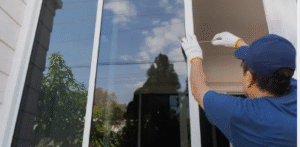 Storefront glass serves multiple functions beyond merely allowing light inside. It provides visibility, enhances natural lighting, and showcases your products to passersby. A clean, intact glass facade communicates professionalism, attention to detail, and care for your premises. Conversely, cracked or damaged glass can create an impression of neglect, potentially deterring customers and harming your brand reputation.
In Adelaide’s vibrant commercial districts, where businesses compete for consumer attention, maintaining pristine storefront glass is an essential aspect of visual merchandising. Regular upkeep and prompt repairs help preserve your business’s welcoming appeal and competitive edge.
Safety First: Preventing Accidents and Liability Issues
One of the most compelling reasons for timely storefront glass repair in Adelaide is safety. Damaged or weakened glass poses a significant risk to employees, customers, and pedestrians. Even minor cracks can escalate, increasing the likelihood of glass shattering unexpectedly.
Broken glass hazards can lead to serious injuries, and businesses may be held liable for accidents resulting from negligence. A proactive approach to repairing storefront glass ensures a safer environment, minimising the risk of costly lawsuits or insurance claims. Business owners who prioritise timely repairs demonstrate their commitment to protecting both people and their enterprise.
Enhancing Security: Deter Theft and Vandalism
Storefront glass is often the first line of defence against break-ins, theft, and vandalism. Cracks or weakened glass panels provide potential intruders with easier access points. Timely storefront glass repair in Adelaide enhances your building’s physical security, deterring criminal activities.
Modern repair techniques and materials offer increased strength and resistance. For example, laminated or tempered glass options provide greater protection against impact and forced entry. Investing in high-quality repair and upgrades not only safeguards your assets but also contributes to peace of mind for business owners and staff.
Boosting Curb Appeal and Attracting Customers
Curb appeal is crucial for any brick-and-mortar business. Storefront glass has a direct impact on the aesthetic appeal of your premises. Clean, flawless glass creates an inviting atmosphere and encourages window shopping, increasing the likelihood of customer visits.
Conversely, damaged glass can create a negative impression, suggesting a lack of maintenance or financial instability. This may cause potential customers to choose competitors with better-presented stores. By ensuring prompt storefront glass repair in Adelaide, you maintain an attractive facade that draws customers in and supports overall business growth.
Compliance with Local Regulations and Building Codes
Business owners in Adelaide must also consider local regulations and building codes related to storefront glass safety and maintenance. These regulations often mandate standards for glass thickness, strength, and installation methods to protect public safety.
Failure to comply with these regulations can result in fines, penalties, or forced closures. Timely storefront glass repair ensures your business meets these legal requirements, avoiding unnecessary disruptions and expenses. Partnering with professional glass repair services knowledgeable about Adelaide’s codes guarantees your storefront remains compliant and secure.
Environmental Considerations: Sustainable Glass Repair Solutions
As environmental awareness grows, sustainable business practices extend to storefront maintenance. Many glass repair companies in Adelaide now offer eco-friendly repair options, including recycling damaged glass and using energy-efficient glass materials.
Choosing sustainable storefront glass repair solutions aligns your business with modern environmental values, appealing to eco-conscious customers. Additionally, energy-efficient glass can improve insulation, reducing heating and cooling costs, further benefiting your bottom line.
Conclusion:
Your storefront glass is more than just a window; it is a powerful asset that impacts safety, security, customer perception, and operational efficiency. Timely storefront glass repair in Adelaide is a crucial step in protecting and enhancing your business image.
By investing in prompt repairs, you ensure a safe environment for everyone, deter criminal activity, comply with legal standards, and maintain attractive curb appeal that draws customers. Partnering with skilled professionals guarantees durable, high-quality results that support your business’s long-term success.
Real Estate Tauranga: What Homebuyers and Investors in Tauranga, NZ Need to Know in 2025
As we move into the second half of 2025, the real estate market in Tauranga continues to evolve, shaped by changing economic conditions, demographic shifts, and technological advancements. With Tauranga remaining one of New Zealand’s most desirable coastal cities, both homebuyers and investors are closely monitoring the region’s property trends.
Continued Demand for Lifestyle Living
 One of the strongest ongoing trends in real estate Tauranga is the heightened demand for lifestyle-oriented properties. Buyers are increasingly seeking homes that offer not just a place to live but also a retreat from urban stress. It has led to a surge in interest in areas like Papamoa, Welcome Bay, and Bethlehem, where larger sections, beach access, and scenic views are more common.
In 2025, lifestyle living is no longer a luxury but a primary driver of market demand. Buyers—especially remote workers and retirees—are prioritising space, tranquillity, and access to nature over proximity to city centres. Developers are responding with more low-density housing projects and semi-rural subdivisions that cater to this desire for balance between modern amenities and a peaceful environment.
Innovative and Sustainable Homes Are Gaining Momentum
As sustainability becomes a non-negotiable for modern homeowners, the real estate Tauranga market is experiencing a shift toward green building practices and energy-efficient homes. From solar panels and rainwater harvesting systems to advanced insulation and passive solar design, homebuilders are embracing eco-friendly features as standard offerings.
In 2025, buyers are more informed and selective, often demanding HomeStar or Green Building Council certifications as part of their property considerations. It has created new opportunities for developers and property owners willing to invest in sustainable upgrades. For investors, green homes also offer stronger rental appeal and higher long-term returns due to lower operating costs and compliance with future environmental regulations.
Rise of Build-to-Rent and Multi-Dwelling Developments
Affordability remains a key concern for many prospective buyers, particularly first-home buyers and younger families. In response, the real estate Tauranga sector has seen growth in build-to-rent developments and multi-dwelling properties. These projects offer more accessible entry points into the housing market while also addressing the ongoing shortage of quality rental housing in the region.
Developments such as duplexes, townhouses, and apartments in centrally located suburbs like Mount Maunganui and Greerton are attracting both tenants and investors. The appeal lies in their affordability, low-maintenance appeal, and modern designs tailored for today’s compact living trends.
Tauranga’s Infrastructure Expansion Influencing Property Hotspots
Infrastructure development plays a significant role in shaping real estate investment strategies in Tauranga. With ongoing improvements to transport corridors, such as the SH29A upgrade and the Cameron Road project, accessibility between key areas is improving, thereby opening up new growth corridors.
Suburbs previously considered fringe, such as Ohauiti and Te Puke, are now drawing interest due to their improved connectivity and more affordable price points. Real estate professionals suggest that these areas are poised for capital growth as more amenities are added and public transport options improve.
Digital-First Property Transactions
Technology continues to reshape the way real estate is bought and sold in Tauranga. In 2025, digital property transactions—ranging from virtual open houses to blockchain-enabled contracts—have become increasingly commonplace. Buyers from across New Zealand (and internationally) can view, finance, and secure properties without setting foot into a traditional real estate office.
This digital shift has made the Tauranga property market more competitive, particularly among investors seeking to close deals quickly. Real estate agencies in Tauranga are also leveraging AI-powered tools for pricing analysis, marketing automation, and customer relationship management, resulting in more efficient service delivery and faster turnaround times for clients.
Conclusion:
Real estate Tauranga in 2025 presents a landscape rich with opportunity—but not without its complexities. The market is being shaped by a confluence of social, technological, and environmental factors that require both buyers and investors to stay informed and adaptable. Whether you’re purchasing your forever home or expanding your investment footprint, understanding these emerging trends can position you for long-term success in one of New Zealand’s most vibrant and evolving property markets.
By keeping a close eye on infrastructure developments, embracing sustainable design, and recognising the unique needs of Tauranga’s diverse population, stakeholders in the real estate sector in Tauranga can make informed, future-proof decisions in a dynamic housing environment.
Banquette Seating: Elevating Interior Design with Banquette Seating
Banquette seating in Adelaide, SA, is becoming a sought-after design feature for both residential and commercial interiors. With its unique blend of style, comfort, and space-saving functionality, banquette seating offers an innovative solution for anyone looking to enhance their environment with custom-built charm.
What is Banquette Seating?
Banquette seating refers to built-in bench seating, typically placed along a wall or within a niche, often accompanied by a table and chairs for a cohesive dining or lounging setup. Originally popular in European cafés and bistros, this design has now transitioned into various settings, including home kitchens, office break rooms, and even boutique retail spaces in Adelaide.
Unlike free-standing furniture, banquette seating is usually fixed in place and designed to fit the specific dimensions and style of a room.
The Rise of Banquette Seating in Adelaide
Adelaide’s design scene is embracing banquette seating for its ability to merge classic sensibility with modern function. The city’s focus on open-plan living, compact urban homes, and stylish hospitality venues has made this seating option more relevant than ever. Interior designers and architects in Adelaide are recommending banquette seating as a versatile feature that can elevate the usability of kitchens, dining rooms, and cafés alike.
Residential Applications: Space-Saving Elegance
Homeowners in Adelaide are turning to banquette seating for practical reasons—chief among them is the need for space efficiency. In smaller homes and apartments, traditional dining chairs and tables often occupy more space than necessary. Banquette seating, especially when installed with built-in storage underneath, provides a clever way to maximise every square metre.
For example, a corner banquette can transform an unused kitchen nook into a cosy breakfast area. Custom upholstery options, such as plush fabrics or stain-resistant vinyl, enable homeowners to match their banquette seating to their existing interior styles, whether minimalist, coastal, or Hamptons-inspired.
Additionally, banquette seating can create a sense of continuity in open-plan layouts. When paired with the cabinetry and finishes used throughout the space, it creates a streamlined, built-in look that enhances the overall visual flow of the home.
Commercial Applications: Comfort Meets Style
In Adelaide’s vibrant hospitality sector, banquette seating is a staple. Restaurants, cafés, bars, and even hotel lobbies benefit from the versatility of this design feature. Long rows of banquette seating can accommodate more patrons than individual chairs while providing a sense of privacy and intimacy for diners.
Designers often use banquette seating to reinforce a brand’s identity or theme. A rustic café in the Adelaide Hills might use reclaimed timber banquettes with leather upholstery, while a sleek wine bar on Rundle Street could opt for velvet cushions and brass trim. The seating not only becomes functional but also contributes to the ambience and identity of the venue.
Durability is another key consideration. Commercial banquette seating in Adelaide is typically crafted with high-performance materials to withstand frequent use without compromising on comfort or appearance.
Customisation: A Local Strength
One of the most appealing aspects of banquette seating in Adelaide is the abundance of skilled local manufacturers and joiners who specialise in custom furniture. Businesses and homeowners can collaborate with these professionals to design seating that fits their exact needs—dimensions, materials, colours, and finishes are all customisable.
Materials and Trends in 2025
The current trends in banquette seating in Adelaide reflect both functional and aesthetic priorities. Natural materials, such as oak and walnut, remain popular for their warmth and longevity. Paired with neutral or earth-toned upholstery, they contribute to the calming, biophilic design principles that are becoming more prevalent in both homes and commercial interiors.
On the other end of the spectrum, bold colours and luxe fabrics are gaining traction in statement settings. Deep green velvet, navy blue leather, and patterned fabrics add a dramatic flair to restaurants and high-end residential builds.
Conclusion:
Banquette seating in Adelaide, South Australia, represents the perfect fusion of style, function, and innovative space utilisation. With its increasing popularity in both homes and businesses, it’s clear that this design trend is here to stay. Whether you’re looking to enhance a small kitchen nook or create a luxurious restaurant booth, banquette seating offers a tailored solution that delivers both comfort and visual impact. And with Adelaide’s thriving community of skilled craftsmen and designers, turning your vision into reality has never been more achievable.
Best Criminal Defence Lawyer: Why Choosing the Best Criminal Defence Lawyer with Free Consultation
When facing criminal charges in Auckland, selecting the proper legal representation can significantly impact the outcome of your case. Legal proceedings can be intimidating and complex, so having the best criminal defence lawyer free consultation is not only advantageous—it is essential. This article explores the value of a free consultation, what makes a lawyer the best in criminal defence, and why Auckland residents should carefully consider their legal options.
The Role of a Criminal Defence Lawyer in Auckland
 A criminal defence lawyer in Auckland plays a crucial role in the justice system. Their primary responsibility is to represent individuals accused of criminal offences and ensure their rights are protected throughout the legal process. These legal professionals handle a variety of cases, including theft, assault, drug-related offences, domestic violence, white-collar crimes, and more.
The best free consultation service for criminal defence lawyers in Auckland allows accused individuals to assess legal support options without financial pressure. It opens a doorway to understanding legal rights, possible outcomes, and the defence strategy, all before committing to legal fees.
Why a Free Consultation Matters
A free consultation is not just a marketing tactic; it is a crucial first step in establishing trust and clarity between the lawyer and the client. Here’s why it matters:
- Case Evaluation: It allows the lawyer to review the facts and provide preliminary advice tailored to your case.
- Client Confidence: Clients can ask questions, express concerns, and assess whether the lawyer’s style, experience, and communication align with their expectations.
- Accessibility: Legal services can be costly. A free consultation with a top criminal defence lawyer offers access to expert legal insight without the immediate worry of payment.
For Auckland residents, this initial meeting may determine whether to proceed with legal action or reconsider available options.
Qualities That Define the Best Criminal Defence Lawyer
Not all defence lawyers offer the same level of commitment, skill, or professionalism. In Auckland’s competitive legal landscape, the best criminal defence lawyer who offers free consultation is typically distinguished by several characteristics:
- Experience in Criminal Law: Depth of experience in New Zealand’s criminal law system ensures familiarity with local court procedures and precedents.
- Strong Track Record: Past case outcomes, especially those involving charges similar to yours, can reflect a lawyer’s competence.
- Excellent Communication Skills: Clear, honest, and timely communication builds trust and transparency between the lawyer and client.
- Strategic Thinking: The ability to identify weaknesses in the prosecution’s case, present compelling evidence, and anticipate courtroom challenges is invaluable.
- Client-Centric Approach: A good lawyer tailors their strategy to each client’s specific needs rather than using a one-size-fits-all approach.
Understanding the Auckland Legal Landscape
Auckland, New Zealand’s largest city, has a dynamic and diverse legal environment. The city’s District and High Courts are regularly involved in both minor and complex criminal matters. Legal professionals operating in this region must be agile and well-versed in both local and national legal frameworks.
A free consultation with a criminal defence lawyer offers individuals facing charges in Auckland the opportunity to connect with lawyers who understand local procedures, judges’ tendencies, and how to approach different criminal charges effectively.
Legal Aid and Affordability
While private representation is often associated with high costs, many of the best lawyers in Auckland offer flexible payment options, and some may work with clients who qualify for legal aid. The inclusion of a free consultation helps bridge the gap between professional legal services and affordability, ensuring that quality defence isn’t exclusive to those with deep pockets.
This initial step also enables clients to compare lawyers, understand their rights, and determine what level of legal support they can afford with no upfront commitment.
Conclusion:
A criminal charge can alter the course of your life, but it doesn’t have to define it. Choosing the best criminal defence lawyer for a free consultation in Auckland is a critical first step toward building a strong and strategic legal defence. With the right advocate by your side, you can navigate the legal system with confidence, protect your rights, and pursue the most favourable outcome possible.
Don’t underestimate the power of that first, no-obligation meeting—it could be the turning point in your legal journey.
Bale Wrap: Maximising Forage Preservation with Multi-Layer Bale Wrap
In the evolving Australian agricultural landscape, efficiency and productivity are critical—especially when it comes to forage preservation. Among the key components in modern silage production, multi-layer bale wrap has proven to be an indispensable solution. This advanced wrapping technology provides superior protection, extends the shelf life of silage, and enhances the nutritional value of livestock feed.
The Role of Bale Wrap in Silage Production
 Bale wrap serves a primary role in silage production—ensuring the fermentation process occurs under anaerobic conditions, which are essential for maintaining forage quality. Without adequate sealing, oxygen can penetrate the bale, leading to spoilage, mould, and reduced nutritional value. Traditional single-layer wraps often fall short in Australia’s varied climate, where UV exposure, fluctuating temperatures, and high humidity can quickly degrade silage.
It is where multi-layer bale wrap offers a distinct advantage.
What Sets Multi-Layer Bale Wrap Apart?
Multi-layer bale wrap typically consists of five to seven layers of polyethylene film, each contributing specific properties—such as tackiness, puncture resistance, and UV protection. These layers are fused during manufacturing to create a single wrap that is stronger, more elastic, and longer-lasting than conventional wraps.
Here’s why Australian farmers are making the switch:
- Enhanced Oxygen Barrier: The tight seal provided by multiple layers drastically reduces oxygen ingress, preserving silage quality.
- Improved Puncture Resistance: Thicker and more durable, multi-layer wrap withstands rough handling, spiky stems, and transportation better than single-layer options.
- Superior UV Stability: Given Australia’s intense sun exposure, UV resistance is essential. The multi-layer wrap retains its integrity and elasticity even after prolonged exposure to harsh conditions.
- Better Bale Shape Retention: The elasticity and tack of multi-layer wrap help maintain bale shape during storage, ensuring less deformation and more uniform stacking.
Cost vs. Value: Is Multi-Layer Bale Wrap Worth It?
While multi-layer bale wrap comes at a slightly higher upfront cost compared to traditional wraps, the long-term value it delivers makes it a cost-effective investment. Reduced spoilage rates, higher feed quality, and fewer rewraps all contribute to overall savings.
In fact, studies have shown that the use of high-quality multi-layer wraps can reduce spoilage by up to 50%, resulting in annual savings of thousands of dollars in wasted feed. Additionally, because better preservation leads to higher energy and protein levels in silage, livestock productivity also improves—an often-overlooked benefit that further enhances the return on investment (ROI).
Environmental Considerations and Sustainability
Sustainability is an increasingly important focus in Australian agriculture, and bale wrapping is no exception. Some multi-layer bale wraps are now being produced with recycled content or bio-based materials, offering a more eco-conscious alternative. Furthermore, the extended shelf life and reduced wastage associated with multi-layer bale wrap also align with sustainable farming practices.
It’s also worth noting that higher-performance wraps often require fewer revolutions per bale. It not only reduces the amount of plastic used but also minimises labour and machinery wear. When recycled adequately through agricultural plastics recycling programs, multi-layer bale wrap can have a lower environmental footprint compared to alternatives.
Best Practices for Using Multi-Layer Bale Wrap
To fully benefit from multi-layer bale wrap, it’s essential to follow a set of best practices during wrapping and storage:
- Wrap Bales Immediately: Delays between baling and wrapping increase oxygen exposure. Aim to wrap within two hours of baling.
- Ensure Proper Overlap: A minimum of 50% overlap is recommended to maintain an effective seal.
- Apply Sufficient Layers: Even with superior wrap, applying 6 to 8 layers is ideal for silage bales destined for long-term storage.
- Monitor Film Tension: Over-stretching can compromise the barrier properties of the wrap. Use manufacturers’ stretch guidelines for optimal results.
- Store on a Clean, Dry Surface: Keeping bales off wet ground and away from sharp objects extends the life of the wrap.
- Protect from Pests: Birds, rodents, and livestock can damage wrapped bales. Consider fencing off storage areas or using netting for additional protection.
Conclusion:
Multi-layer bale wrap represents more than just a protective covering—it’s a strategic tool in modern Australian farming. By safeguarding silage against spoilage, enhancing feed quality, and offering environmental and economic advantages, it empowers farmers to better navigate the challenges of livestock production.
As the demand for high-quality feed rises and climate variability continues to affect agricultural output, investing in multi-layer bale wrap isn’t just a best practice—it’s a forward-thinking move for farmers committed to resilience, profitability, and sustainable growth.
Pallet Freezer Spacers: Enhancing Cold Chain Efficiency with Food-Grade Pallet Freezer Spacers
In the Australian food industry, maintaining the integrity of frozen goods throughout the supply chain is vital. From processing plants to supermarkets, every stage must uphold strict hygiene and temperature control standards. One often-overlooked but highly impactful component in this process is the use of food-grade pallet freezer spacers. These simple yet effective tools play a crucial role in improving airflow, reducing freezing time, and ensuring product safety.
In this article, we explore the benefits, applications, and material considerations of food-grade pallet freezer spacers and why they are becoming a standard in Australia’s cold storage logistics.
What Are Food-Grade Pallet Freezer Spacers?
Food-grade pallet freezer spacers are plastic inserts placed between layers of cartons or boxes on a pallet. Designed to maximise airflow during the freezing process, these spacers are crucial in blast freezing and cold storage operations. The “food-grade” classification ensures that the material used meets hygiene and safety standards for direct or indirect contact with food products.
Unlike traditional pallet stacking, which often leads to inconsistent freezing or longer cycle times, freezer spacers create uniform gaps that promote even air circulation. This results in faster freezing and improved preservation of food quality—key concerns for food processors and distributors alike.
Why Australia’s Food Industry Relies on Freezer Spacers
Australia’s food and beverage sector is one of the country’s most significant industries, with a strong focus on exports. Meeting stringent international food safety standards is essential. As such, Australian companies are increasingly adopting food-grade pallet freezer spacers to maintain product integrity and meet compliance benchmarks.
Here are a few reasons why they’re indispensable:
Enhanced Freezing Efficiency
Pallet freezer spacers drastically reduce the time it takes for products to reach the desired frozen state. Faster freezing helps preserve texture, colour, and taste—critical attributes for products like meat, seafood, and processed foods.
Compliance with Food Safety Standards
Using food-grade materials ensures that the spacer itself is free of contamination. This is particularly important in Australia, where compliance with FSANZ (Food Standards Australia New Zealand) regulations is non-negotiable.
Cost Savings and Operational Efficiency
By reducing freeze times, energy consumption is also lowered. This leads to cost savings in both electricity and storage turnover. Additionally, faster freezing allows more batches to be processed in less time, enhancing productivity.
Key Features of High-Quality Freezer Spacers
Not all pallet freezer spacers are created equal. To maximise their benefits, especially in a demanding Australian climate, businesses should look for specific features:
- Durability: Freezer spacers must withstand low temperatures without becoming brittle.
- Easy to Clean: Food-grade plastic is resistant to chemicals and easy to sanitise.
- Interlocking Design: Ensures stability during pallet stacking.
- Recyclable Material: Aligns with sustainability goals increasingly adopted by Australian companies.
Most modern food-grade pallet freezer spacers are made from high-density polyethylene (HDPE) or polypropylene (PP), which provide strength, longevity, and safety.
Industry Applications Across Australia
Food-grade pallet freezer spacers are widely used across multiple sectors of Australia’s food supply chain, including:
- Meat Processing Plants: Especially in Queensland and New South Wales, where the meat export market is strong.
- Seafood Exporters: In coastal regions like Tasmania and Western Australia, where seafood is flash-frozen for export.
- Dairy Processors: Particularly for cheese and frozen dairy desserts.
- Frozen Food Manufacturers: Including ready meals, vegetables, and baked goods.
The increasing sophistication of Australia’s cold chain logistics has made freezer spacers an essential tool—not just a convenience.
The Environmental and Economic Case for Reusability
Sustainability is an ever-growing concern in the Australian food industry. Food-grade pallet freezer spacers, when made from recyclable materials, contribute positively by reducing reliance on single-use packaging and increasing the lifespan of reusable components in the supply chain.
Reusable spacers reduce waste and provide economic advantages. Over time, the initial investment in high-quality spacers is offset by reduced operational costs, less product spoilage, and improved system throughput.
Conclusion:
In an industry where temperature control, hygiene, and compliance are critical, food-grade pallet freezer spacers offer an effective and affordable solution. For Australian businesses looking to optimise their cold chain operations, these spacers are more than just accessories—they’re essential components of a high-performing logistics system.
By investing in quality spacers and leveraging local expertise, Australia’s food processors, exporters, and logistics providers can ensure product integrity, meet safety standards, and enhance operational efficiency in an increasingly competitive global market.
Net Replacement Film: A Smarter Solution for Agricultural Efficiency
In the dynamic world of modern agriculture, innovation is essential to improving productivity, efficiency, and sustainability. One such innovation gaining traction across Australia is net replacement film. As farmers and horticulturists continue to seek alternatives to traditional netting, net replacement film offers a compelling solution for crop protection and climate control.
This article explores what net replacement film is, its advantages, applications, and why it is becoming an increasingly popular choice among Australian growers. For quality net replacement film, click here.
What is Net Replacement Film?
 Net replacement film is a specially engineered plastic film designed to replace traditional agricultural netting. Made from durable polyethylene or similar high-performance materials, this film acts as a physical barrier, protecting crops from external elements such as hail, wind, pests, birds, and UV rays. Unlike conventional netting, net replacement film offers a continuous surface, which significantly reduces the risk of small pests and environmental debris passing through.
This advanced film is typically UV-stabilised and anti-drip. It is available in various thicknesses and light transmission options to cater to specific crop needs and regional climates across Australia.
Why Australian Growers Are Switching to Net Replacement Film
Enhanced Crop Protection
Australia’s varied climate presents numerous challenges to growers, from harsh sunlight to sudden storms. Net replacement film provides superior protection compared to traditional netting. It offers complete coverage that safeguards crops from hail, windburn, sunscald, and pest infestations, ensuring better yield and higher quality produce.
Improved Microclimate Control
One of the standout features of net replacement film is its ability to regulate the microclimate within the covered area. It reduces excessive sunlight, controls moisture levels, and moderates temperature, creating a more consistent environment for plant growth. It is particularly valuable for high-value crops like berries, stone fruits, and nursery plants, which require precise growing conditions.
Durability and Longevity
Unlike standard netting, which may deteriorate under prolonged UV exposure or tear due to strong winds or bird activity, net replacement film is built to last. Most premium films offer lifespans of 4 to 6 years or more, depending on local conditions and maintenance. It translates to a more cost-effective investment in the long run.
Reduced Labour and Maintenance Costs
Traditional netting often requires regular repositioning, patching, and cleaning. In contrast, net replacement film installations are typically fixed and require minimal maintenance. It not only saves on labour costs but also reduces the time spent on upkeep, allowing farmers to focus more on crop management.
Typical Applications of Net Replacement Film in Australia
Net replacement film is being adopted across a wide range of agricultural sectors in Australia. Its versatility makes it suitable for:
- Orchards: Protection from hail, birds, and sunburn, particularly in apple, cherry, and stone fruit orchards.
- Berry Farms: Creating a controlled environment for strawberries, blueberries, and raspberries.
- Nurseries: Maintaining humidity and temperature while shielding young plants from pests.
- Vineyards: Providing a barrier against birds and excessive sunlight, helping improve grape quality.
Environmental Benefits of Net Replacement Film
In addition to its performance benefits, net replacement film contributes positively to environmental sustainability. Its ability to reduce water evaporation means less irrigation is required. The improved growing environment leads to reduced pesticide usage, as pests are physically kept out. Moreover, many manufacturers in Australia offer recyclable films, supporting circular economy initiatives within the agricultural industry.
Choosing the Right Net Replacement Film
Selecting the appropriate net replacement film depends on several factors:
- Crop Type: Different crops have varying light and humidity requirements.
- Location: Climate and weather conditions differ between regions like South Australia, Victoria, and Queensland.
- Duration of Use: Some growers may need seasonal cover, while others require multi-year protection.
- Film Features: Consider features such as anti-condensation properties, UV stability, thickness (measured in microns), and light diffusion capacity.
Consulting with a local supplier or agronomist can help determine the most effective product for your specific needs.
Conclusion:
Net replacement film represents a significant advancement in crop protection and agricultural innovation in Australia. Its ability to improve crop quality, increase yields, reduce operational costs, and support environmental sustainability makes it an attractive alternative to traditional netting. As climate pressures and market demands evolve, forward-thinking growers who adopt net replacement film are positioning themselves for greater resilience and success in the competitive agricultural sector.
New Zealand Gold: A Legacy of Wealth, Innovation, and Opportunity
New Zealand gold has long been a symbol of wealth, resilience, and exploration in the country’s history. From the heady days of the 19th-century gold rushes to modern sustainable mining and international investment opportunities, the story of gold in New Zealand is as rich as the metal itself. Today, New Zealand gold plays a pivotal role not only in the nation’s mining industry but also in the global commodities market, high-tech manufacturing, and even cultural heritage.
The Historical Significance of New Zealand Gold
 Gold was first discovered in New Zealand in the early 1850s, sparking a series of gold rushes that transformed towns, economies, and infrastructure across the country. Significant gold finds occurred in Otago (1861) and the West Coast (1864), drawing thousands of hopeful miners from around the world.
The Otago gold rush, in particular, played a pivotal role in shaping the economic landscape of the South Island. The influx of people and capital led to rapid urban development in cities like Dunedin, which for a time became the country’s wealthiest and most populous city. In the following decades, regions such as the Coromandel and Reefton also experienced gold mining booms, reinforcing New Zealand’s prominence on the world stage.
Economic Impact of New Zealand Gold Today
Although the frenzied days of panning and pickaxes are long gone, New Zealand gold remains a key economic contributor. Modern gold mining operations use advanced techniques to extract gold efficiently and safely from complex geological formations. The industry generates hundreds of millions of dollars annually through exports, job creation, and regional development.
One of the major players in the current gold mining scene is OceanaGold, which operates the Macraes Goldfield in Otago—the country’s largest active gold mine. Since its inception in 1990, Macraes has produced over five million ounces of gold in New Zealand and continues to be a vital economic engine for the region.
In addition to mining, gold is increasingly being utilised in high-tech applications, including electronics, precision engineering, and medical devices. As global demand for gold increases, New Zealand gold remains highly strategic in value.
Sustainable Gold Mining Practices
New Zealand’s commitment to environmental stewardship is reflected in its approach to gold mining. Unlike the unregulated extraction methods of the 19th century, today’s operations are governed by strict environmental regulations and oversight.
Modern gold mines in New Zealand employ techniques such as closed-loop water systems, land rehabilitation, and ecological monitoring to ensure minimal environmental disruption. Many mining companies work closely with local iwi (Māori tribes) to align operations with cultural values and uphold kaitiakitanga, the Māori principle of guardianship over the land.
For example, before any new gold mining project can proceed, it must obtain comprehensive consent under the Resource Management Act (RMA). It ensures that economic gains from New Zealand gold do not come at the expense of the country’s unique natural environment.
Investment Opportunities in New Zealand Gold
New Zealand’s stable economy and regulatory framework make it an attractive destination for international gold investors. Junior exploration companies and established mining firms alike continue to explore potential gold deposits nationwide, particularly in regions such as Otago, Marlborough, and the West Coast.
Increased global interest in precious metals, driven by concerns about inflation and market volatility, has positioned New Zealand gold as a secure and promising investment. For investors, gold mining shares, ETFs with exposure to New Zealand operations, and royalty agreements present tangible avenues to participate in the country’s gold sector.
Local and global stakeholders are closely monitoring developments in artificial intelligence and automation within the mining sector. These technologies are poised to enhance productivity and reduce the environmental impact of gold extraction, thereby reinforcing New Zealand’s value proposition.
Conclusion:
New Zealand gold is far more than just a historical curiosity—it is a living, evolving pillar of the nation’s economy, culture, and innovation landscape. From its role in shaping South Island’s cities to its present-day contributions to high-tech industries and global markets, gold’s legacy in New Zealand is one of transformation and enduring value.
With a strong commitment to sustainability, transparency, and inclusivity, the future of New Zealand gold looks bright. Whether you’re an investor, tourist, historian, or industry professional, New Zealand gold continues to offer rich opportunities worth exploring.
New Home Builder Adelaide: What to Expect During the New Home Building Process
Building your dream home is an exciting milestone, especially when you partner with a reputable new home builder in Adelaide. If you’re planning to settle in beautiful Adelaide, South Australia, understanding the home building process can help you feel more confident and informed throughout the journey. From selecting your block to receiving your keys, here’s what you can expect from start to finish.
1. Initial Consultation and Planning
Your new home journey begins with an initial meeting with your new home builder in Adelaide. This is when you discuss your vision, budget, lifestyle needs, and preferred design features. Builders in Adelaide often offer a wide range of pre-designed plans, but most also provide customisation options to suit your block and family requirements.

What to Expect During the New Home Building Process
The builder will help you choose a house plan that suits your land size and orientation, while taking into account council regulations in South Australia. They’ll also provide a cost estimate, discuss inclusions, and explain any additional site costs based on your specific location.
2. Pre-Construction and Approvals
Once you’re satisfied with the concept and preliminary pricing, the pre-construction stage begins. This includes:
- Finalising your floorplan and façade
- Choosing internal and external finishes
- Preparing detailed working drawings
- Site surveys and soil testing
Your builder will submit the necessary documentation to local Adelaide councils or private certifiers to secure development approval (DA) and building approval (BA). This phase can take several weeks, depending on council requirements, but a reliable new home builder Adelaide will keep you updated and manage the process efficiently.
3. Contract Signing and Fixed Pricing
Once plans are approved, you’ll receive a building contract. This legally binding document outlines the construction timeline, payment schedule, inclusions, and pricing. In South Australia, it’s common to sign a HIA (Housing Industry Association) standard contract.
At this point, you’ll also pay a deposit (usually around 5%) and obtain your construction loan if you’re financing your build. A trustworthy new home builder Adelaide will ensure the contract is transparent and easy to understand, giving you peace of mind before construction begins.
4. Construction Begins – The Major Stages
Construction officially starts when the slab is poured. The process typically follows these five key stages:
- Slab Stage: Concrete is poured to form your home’s foundation. Plumbing work is also embedded in the slab at this stage.
- Frame Stage: The timber or steel frame is erected, providing a skeleton for your future home. Internal walls, roof trusses, and windows are installed.
- Lock-Up Stage: Your home is now enclosed with external doors and windows in place. You can begin to visualise your living space.
- Fixing Stage: This is where things start to feel real. Internal fixtures such as cabinetry, plasterboard, skirting, doors, and waterproofing are completed.
- Completion Stage: Painting, flooring, and final touches are added. Once everything is in place, a final inspection is carried out.
Throughout the process, your new home builder Adelaide will coordinate trades, manage timelines, and communicate regularly with you to ensure everything stays on track.
5. Inspections and Handover
Before you move in, your builder will organise a final inspection or “practical completion inspection” (PCI). This is your opportunity to walk through the home, check workmanship, and ensure all inclusions are delivered as promised.
Any final touch-ups or minor rectifications will be completed before handover. Once complete, you’ll be handed the keys to your brand-new home in Adelaide – a truly rewarding moment!
Your new home builder Adelaide will also provide warranties and certificates of compliance, as required under South Australian building regulations. Most builders offer a maintenance period (typically three months) in case any issues arise after moving in.
6. Post-Handover and Maintenance
Even after the handover, your relationship with the builder doesn’t end. Adelaide builders typically offer structural guarantees of up to 25 years, along with shorter-term warranties on appliances and finishes.
You’ll receive a maintenance guide to help care for your home, including tips on settling cracks (common in new builds), air flow, and energy-efficient usage. A responsive new home builder in Adelaide will also be available to address any warranty claims during the initial maintenance period.
Final Thoughts
Building a home in Adelaide offers a unique opportunity to create a space tailored to your lifestyle, with the advantage of living in one of South Australia’s most desirable regions. The process can seem complex at first, but with the right new home builder Adelaide, you’ll be supported at every step, from paperwork to paintwork.
Whether you’re a first-time homebuyer or upgrading your forever home, understanding each phase of the construction process helps you make informed decisions, avoid surprises, and enjoy the rewarding journey of bringing your dream home to life.