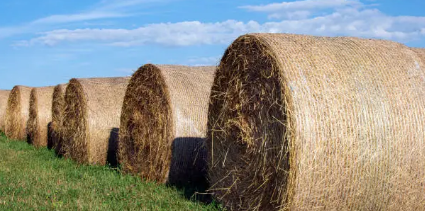
Net Wrap Australia’ Choosing the Right Bale Net Wrap for Efficient Hay and Silage Storage
In Australian agriculture, efficiency in hay and silage handling is critical due to large-scale livestock operations and variable weather conditions. One of the most important consumables in bale production is net wrap, which ensures compact, well-protected bales during storage and transport. Choosing the right net wrap can significantly affect feed quality, storage losses, and operational costs. In this guide, we explore how Australian farmers can select the best net wrap for their needs, what factors matter most, and how to improve bale performance across different climates and farming systems.
Net wrap is widely used across Australia in cattle and sheep farming operations because it provides faster bale finishing than traditional twine and offers improved weather resistance. Understanding its properties helps farmers maximise productivity and reduce spoilage.
What Is Net Wrap and Why It Matters in Australia
Net wrap is a polyethylene-based material used in round balers to secure hay, straw, or silage into tight cylindrical bales. Unlike twine, it evenly covers the bale surface, improving shape retention and reducing air exposure.
In Australian conditions—where high heat, coastal humidity, and sudden rainfall are common—net wrap plays a vital role in preserving forage quality. Poor-quality wrapping can lead to spoilage, mould growth, and nutrient loss, which directly affects livestock performance and feed costs.
Farmers also prefer net wrap because it increases baling efficiency, enabling more bales per hour than traditional methods.
Key Factors When Choosing Net Wrap in Australia
Selecting the right product involves balancing durability, compatibility, and cost-effectiveness.
1. Bale Type and Density
Different balers produce varying bale densities. High-density silage bales require stronger net wrap with higher tensile strength to maintain shape during transport and stacking.
2. Australian Climate Conditions
Regions such as Queensland and Northern NSW experience high humidity, while South Australia and WA face dry, hot conditions. UV-resistant net wrap is essential across all regions to prevent degradation during outdoor storage.
3. Roll Length and Coverage Efficiency
Longer rolls reduce downtime during baling operations. Farmers managing large properties often prefer high-capacity rolls to minimise interruptions.
4. Material Strength and Stretch
High-quality net wrap should stretch evenly across the bale surface, ensuring full coverage without tearing. This is especially important in rough hay conditions or when bale edges are uneven.
Benefits of Using High-Quality Net Wrap
One of the main advantages of net wrap is improved operational efficiency. It significantly reduces baling time compared to twine systems, allowing farmers to complete harvests faster during tight weather windows.
Another benefit is improved consistency in bale shape. Well-wrapped bales stack more efficiently, reducing storage space requirements and transport instability.
Additionally, better surface coverage reduces moisture penetration, which is crucial for maintaining feed quality in unpredictable Australian weather conditions.
Common Mistakes Farmers Make with Net Wrap
Despite its benefits, improper usage can reduce effectiveness:
● Using low-grade wrap for high-density bales
● Incorrect tension settings on balers
● Storing rolls in direct sunlight before use
● Ignoring compatibility with baler models
Each of these issues can lead to premature breakage or poor bale sealing, increasing waste and reducing feed value.
How Australian Farmers Can Maximise Net Wrap Performance
To achieve the best results, farmers should regularly maintain their baling equipment and adjust settings based on crop type. Dry hay typically requires a different wrapping tension than silage or straw.
It is also recommended to store net wrap rolls in cool, shaded areas to maintain material integrity before use. This prevents brittleness and ensures smoother application during peak harvesting periods.
Investing in quality-tested products designed for Australian conditions can also reduce long-term costs by minimising breakage and waste.
Cost Considerations and Value for Money
While premium options may cost more upfront, net wrap often delivers better long-term value by reducing spoilage and improving baling efficiency. Farmers should evaluate the cost per bale rather than just the roll price to understand the true value.
Bulk purchasing or seasonal ordering can also help reduce costs, especially for large-scale livestock operations.
Environmental and Storage Considerations
Modern agricultural practices in Australia are increasingly focused on sustainability. Many net wrap products are now designed for improved recyclability, reducing environmental impact after use.
Proper disposal and recycling programs are becoming more widely available, helping farmers manage agricultural plastic waste responsibly while maintaining operational efficiency.
Conclusion
Choosing the right net wrap is a strategic decision for Australian farmers aiming to improve feed preservation, operational efficiency, and cost control. By understanding bale requirements, climate conditions, and product quality, farmers can significantly enhance their hay and silage management systems.
With the right selection and handling practices, net wrap becomes more than just a consumable—it becomes a key factor in maintaining livestock productivity and farm profitability across Australia.
Comments are Disabled