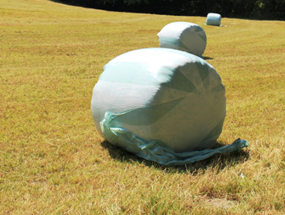
Bale Wrap Australia’ Balancing Breathability and Barrier Performance in Tropical Conditions
In northern and coastal parts of Australia, wet-season conditions can make silage production particularly demanding. Tropical grasses such as Setaria and Signal grass can be baled at higher moisture levels, increasing the need for reliable fermentation control and oxygen protection. Choosing the right bale wrap Australia product means looking beyond film strength alone.
The wrap must provide a dependable oxygen barrier, maintain adhesion in humid conditions, and resist punctures during handling. At the same time, operators need to understand that plastic film is designed to create an airtight environment rather than allow the bale to breathe. The goal is controlled fermentation, not ventilation.
Why Humidity Changes Silage Wrapping Requirements
High humidity affects almost every stage of bale production. Wet-season paddocks can leave grass damp on the surface, while tropical weather can increase the risk of moisture variation within windrows.
When moisture is higher than intended, poor wrapping practices can allow fermentation problems to develop. Oxygen entering through damaged, loose or inadequately sealed film can encourage aerobic microorganisms, heating and spoilage.
This makes high-humidity silage bale wrap particularly important for tropical operations. A suitable film should maintain its seal and cling despite warm, humid working conditions.
Oxygen Barrier Performance Comes First
Silage fermentation depends on creating and maintaining a low-oxygen environment. Agricultural stretch film should therefore provide consistent coverage around the entire bale, with sufficient overlapping layers to reduce the chance of oxygen entering through gaps.
Multilayer film construction can provide distinct properties within a single film. Depending on the product, these layers may contribute to stretch, puncture resistance, UV protection and oxygen-barrier performance.
For bale wrap Australia applications in tropical regions, operators should consider:
● Strong oxygen-barrier characteristics
● Reliable tack between overlapping layers
● Consistent stretch during application
● Resistance to punctures and tears
● UV stability for storage outdoors
● Compatibility with the farm’s wrapping equipment
Does Silage Film Need to Breathe?
This is a common point of confusion. Silage wrap should not be selected because it allows significant air exchange. Stretch film restricts oxygen entry and preserves the anaerobic conditions needed for fermentation.
Instead of seeking a breathable film, producers should focus on controlling the factors that create unwanted moisture and condensation. Correct wilting, bale density, wrapping technique and storage conditions all work alongside the film’s barrier properties.
Managing Condensation and Moisture
Warm tropical conditions can produce substantial temperature differences among the bale, the film, and the surrounding air. Condensation on the inside of the plastic does not automatically mean the film is defective. Still, excessive moisture can indicate that forage was baled too wet or that storage conditions are unsuitable.
Good practice includes:
1. Baling forage at an appropriate moisture level for the intended silage system.
2. Wrapping promptly after baling.
3. Applying consistent film overlap.
4. Checking every bale for visible punctures or loose sections.
1. Storing wrapped bales away from sharp vegetation, machinery traffic and standing water.
Choosing High Humidity Silage Bale Wrap
Tropical producers should assess film performance under their actual operating conditions rather than selecting solely by price or advertised stretch percentage.
A strong, high-humidity silage bale wrap should remain tacky enough for adjacent layers to bond effectively while maintaining mechanical strength during wrapping, transport, and storage. This becomes especially important when bales contain coarse tropical stems that can create sharp edges.
For farms producing silage through Australia’s wet season, film selection should also account for exposure to intense sunlight after wrapping. UV resistance can help protect the outer film during outdoor storage, although it does not replace proper storage practices.
Conclusion
Successful tropical silage production requires a balance of forage management, wrapping technique and film performance. Bale wrap Australia products should prioritise oxygen exclusion, layer adhesion, puncture resistance, and UV protection rather than relying on breathability to address excessive moisture.
For Setaria, Signal grass and other tropical forages, assess your baling moisture, wrapping equipment and storage conditions before choosing film. Speak with an agricultural film supplier about a high-humidity silage bale wrap suited to your local wet-season conditions and wrapping system.
—
Frequently Asked Questions
1. Why is oxygen barrier performance important for tropical silage?
An effective oxygen barrier helps restrict air entering the bale, supporting the low-oxygen conditions required for proper silage fermentation.
2. Is breathable bale wrap better for high-humidity conditions?
Not necessarily. Silage film is intended to restrict oxygen rather than provide ventilation. Moisture management should instead be addressed through forage preparation, baling and storage practices.
3. What makes high-humidity silage bale wrap suitable for tropical grasses?
It should provide reliable tack, oxygen-barrier performance, stretch, puncture resistance and suitable UV protection for the conditions in which the bales will be produced and stored.
4. Can tropical grass be wrapped when it is very wet?
Wrapping excessively wet forage can increase the risks of fermentation and spoilage. Producers should follow moisture targets appropriate to their particular forage and silage system.
5. What should Australian farmers check after wrapping?
Inspect bales for punctures, loose film, poor overlaps and damaged seals. Repair suitable damage promptly with appropriate silage-film repair material, and handle bales carefully during storage and transport.
Comments are Disabled