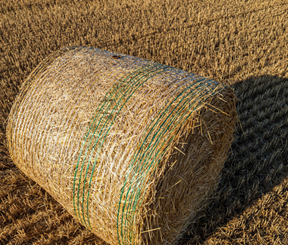
Baler Twine for Australian Native Pastures and Dense Tropical Grasses
Baling coarse native grasses presents different challenges from handling softer, cultivated hay. Across Northern Australia and Queensland, producers may work with dense Mitchell grass, Flinders grass, and other tough pasture materials that can place considerable strain on baling equipment and tying systems. Choosing the right baler twine is therefore important for producing secure, well-formed bales that can withstand handling, transport and storage.
A suitable twine needs enough tensile strength for the crop and must work reliably with the baler’s knotting system. Understanding the demands of native grass helps producers select twine suited to their baling conditions.
Why Native Grass Requires Stronger Baler Twine
Native pastures can be coarse, fibrous and difficult to compress consistently. When dense material is packed into a bale, the twine must hold it securely as the compressed grass tries to expand.
This is particularly relevant when baling Mitchell grass and Flinders grass, which can produce firm, heavy bales under suitable harvesting conditions. Twine that doesn’t match the bale density or baler settings may be more vulnerable to stretching, knot failure, or breakage.
A heavy-duty baler twine native grass application calls for a product that delivers dependable knot strength and tension resistance during baling.
What to Look for in Heavy-Duty Twine
Not all twine suits demanding pasture conditions. When comparing options, consider the following characteristics:
● High tensile strength: Strong twine helps maintain bale integrity when dense grass is tightly compressed.
● Reliable knot performance: The twine must consistently form secure knots through the baler’s knotter.
● Consistent diameter: Uniform manufacturing supports predictable feeding and knotting.
● UV resistance: Bales stored outdoors in Queensland and northern regions can be exposed to intense sunlight, making UV stabilisation an important consideration.
● Abrasion resistance: Tough grass and repeated handling can place additional stress on the twine.
The correct specification should also match the baler manufacturer’s recommendations. A stronger twine is not automatically the right choice if its dimensions or handling characteristics suit the machine.
Baling Dense Tropical Grasses in Queensland
Queensland conditions can vary substantially between regions. Producers may encounter high temperatures, intense sunlight, seasonal rainfall and pasture that becomes coarse as it matures. These factors can influence both baling and subsequent bale storage.
Before baling, allow the harvested material to reach an appropriate moisture level for the intended haymaking system. Consider bale density, field conditions, and baler settings because excessive tension can place unnecessary load on the twine and knotting components.
For producers regularly handling dense native pasture, consider heavy-duty agricultural packaging for native grass requirements when selecting consumables, rather than treating twine as a one-size-fits-all product.
Choosing the Right Baler Twine for Your Operation
Start by checking the baler manufacturer’s recommended twine specifications. Then consider the type of grass being harvested, desired bale density, storage conditions and expected handling.
It is also useful to inspect completed bales. Loose knots, broken strands, or an inconsistent bale shape can indicate that twine selection, knotter adjustment, bale density, or crop conditions need attention.
For operations handling coarse native pasture, selecting a dependable baler twine can help support consistent bale formation and reduce avoidable interruptions during a busy harvesting period.
Protect Bale Integrity from Field to Storage
Good twine selection is only one part of reliable baling. Correct machine setup, suitable crop moisture, proper bale density and careful handling all contribute to bale quality.
For Australian producers working with Mitchell grass, Flinders grass or other coarse native and tropical pastures, choose a baler twine specification that matches the crop and equipment. Speak with a reputable agricultural twine supplier about tensile strength, knot performance and UV stabilisation before your next baling season.
—
FAQs
What is heavy-duty baler twine used for?
Heavy-duty twine is designed for applications where bales place higher tension on the tying material, including dense or coarse pasture hay.
Is heavy-duty twine suitable for Mitchell grass?
It can be suitable when its strength and specifications match the baler, bale density and harvesting conditions. Always check equipment recommendations.
Does UV resistance matter for hay stored outdoors?
Yes. Prolonged exposure to sunlight can degrade synthetic twine, so UV stabilisation is an important consideration for outdoor bale storage.
What makes native grass difficult to bale?
Coarse, fibrous material can require substantial compression and may create higher tension on the tying system, particularly when forming dense bales.
How do I choose baler twine for Queensland conditions?
Consider crop type, bale density, baler specifications, knotter requirements, UV exposure and expected storage and handling conditions.
Comments are Disabled