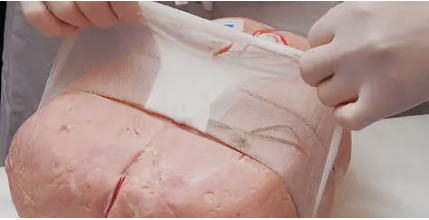
Stockinette Bags Wrapping Guide’ How Australian Businesses Can Protect Produce and Products with Efficient Packaging
In the Australian retail, agricultural, and logistics sectors, stockinette bags are widely used to protect produce, meat cuts, and industrial items during handling and transport. This stockinette bags wrapping guide explains how to use them properly to maximise product protection, reduce waste, and improve presentation quality across supply chains in Australia, where fresh produce exports and domestic distribution require durable, breathable packaging solutions.
Whether you operate a butcher shop in Melbourne, a fruit packing facility in Queensland, or a wholesale distribution warehouse in Sydney, proper wrapping techniques can significantly improve efficiency and product integrity.
What Are Stockinette Bags and Why They Matter in Australia
Stockinette bags are lightweight, stretchable mesh sleeves typically made from cotton or synthetic fibres. In Australia’s agricultural and food distribution sectors, they are commonly used to wrap items such as citrus fruits, root vegetables, and boxed meat cuts.
Their breathable structure helps prevent moisture buildup, which is especially important in Australia’s warmer climates. In this stockinette bag wrapping guide, understanding the material’s airflow and elasticity is essential, as improper use can lead to bruising or premature spoilage.
Step-by-Step Stockinette Bags Wrapping Guide
Step 1: Selecting the Right Bag Size
Choose a stockinette bag size that matches the product dimensions. Too tight, and you risk damaging the contents; too loose, and the product may shift during transport. In Australian packing facilities, standard sizing is often matched to produce weight categories such as 2kg, 5kg, or 10kg loads.
Step 2: Preparing the Product Surface
Before wrapping, ensure the item is clean and dry. Moisture trapped inside packaging can lead to spoilage, particularly in humid coastal regions like Brisbane or Cairns.
Step 3: Stretching and Loading
Gently stretch the stockinette bag and slide the product inside. Avoid forcing sharp-edged items that may tear the mesh. In this stockinette bags wrapping guide, controlled stretching is key to maintaining structural integrity.
Step 4: Securing the Ends
Once the item is fully enclosed, twist or knot the ends depending on operational preference. In Australian meat processing plants, automated sealing clips are sometimes used to improve efficiency and ensure compliance with hygiene standards.
Best Practices for Efficient Wrapping in Australian Operations
To optimise packaging workflows, Australian businesses should implement standardised handling procedures. Consistency reduces labour time and improves output quality, especially in high-volume environments.
One important consideration in this stockinette bags wrapping guide is airflow management. Over-tight wrapping can restrict ventilation, while under-secured packaging increases movement damage during transport.
Using colour-coded stockinette rolls can also help quickly identify product categories, particularly in large distribution centres serving supermarkets across Australia.
Common Mistakes to Avoid When Using Stockinette Bags
Many packaging inefficiencies arise from improper handling techniques. Avoid overstretching the material, as this reduces its protective cushioning. Similarly, reusing damaged bags can compromise hygiene standards, particularly in food-related applications.
Another issue in Australian supply chains is inconsistent wrapping tension, which can lead to uneven stacking during palletisation. This stockinette bags wrapping guide highlights the importance of maintaining uniform pressure to ensure stability during transport.
Industrial and Agricultural Applications Across Australia
Stockinette bags are not limited to food packaging. In mining regions and industrial hubs such as Western Australia, they are sometimes used to protect small components or polished materials during shipping.
However, their primary use remains in agriculture and food logistics. Citrus farms in New South Wales and vegetable producers in South Australia rely heavily on stockinette packaging for domestic supply chains and export-grade preparation.
In this stockinette bags wrapping guide, it is important to note that regional climate differences across Australia influence packaging choices, with hotter areas requiring more breathable wrapping materials.
Optimising Storage and Transport Efficiency
Proper stacking and storage of wrapped goods can significantly improve logistics performance. Stockinette-wrapped products should be stored in ventilated areas to prevent heat buildup.
During transport, Australian freight operators often use pallet wrapping techniques in combination with stockinette packaging to stabilise loads. This layered approach improves shock absorption and reduces product loss.
In this stockinette bags wrapping guide, integrating packaging with transport strategy is just as important as the wrapping process itself.
Sustainability Considerations in Australian Packaging
Sustainability is a growing concern across Australian industries. Many businesses are shifting toward reusable or biodegradable stockinette materials to reduce environmental impact.
Cotton-based stockinette options are increasingly preferred for their compostability. Reducing plastic dependency aligns with broader Australian packaging regulations and corporate sustainability targets.
Conclusion: Improving Packaging Standards with Stockinette Bags
Mastering the correct use of stockinette bags can significantly enhance product safety, presentation, and transport efficiency across Australian supply chains. From agriculture to retail distribution, proper wrapping techniques reduce waste and improve overall operational performance.
This stockinette bags wrapping guide demonstrates that small improvements in packaging processes can lead to major gains in product quality, cost efficiency, and customer satisfaction.
Comments are Disabled