Steel Supplies Adelaide: Types of Steel Supplies
Steel is an extremely flexible material used in construction, commercial and industrial settings. It is extremely durable and strong; capable of withstanding severe conditions like earthquakes or hurricanes without succumbing to wear-and-tear damage.
When selecting a top steel supplies Adelaide, be sure to look for one offering an extensive selection of products and services. An ideal supplier will deliver top-quality goods quickly.
Stainless Steel
Stainless steel is an invaluable material, used across numerous applications and environments. As it resists corrosion and requires low maintenance costs, stainless steel makes an ideal material choice for commercial settings such as restaurants.
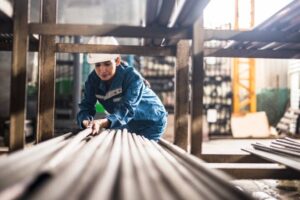 Metal sheet, plate, bar, wire and tubing is typically milled into sheets, plates, bars, wire and tubing forms for use in cookware, cutlery, hardware, surgical instruments and major appliances; additionally, it is an increasingly popular construction material used for vehicles and major buildings as well as industrial equipment.
Steel stands out among metals because of its extraordinary corrosion-resistance in harsh environments. Lower alloyed grades offer atmospheric and pure water corrosion protection, while higher-alloyed varieties can withstand acid, alkaline solutions and chlorine bearing environments – an advantage especially useful in industrial settings (like hospitals or abattoirs).
Austenitic, Martensitic, Ferritic, Duplex and Precipitation Hardened stainless steels fall into five broad categories according to their composition and manufacturing processes: Austenitic, Martensitic, Ferritic Duplex Precipitation Hardened
The 304 grade of stainless steel is widely utilised by industries, with its excellent corrosion resistance properties that include resistance to chloride attack as well as strong pitting and crevice erosion resistance. This grade can be found in pumps, valves, tankers, pressure vessels as well as food processing equipment. Meanwhile the lower cost 430 grade often finds use as decorative applications or automotive trim as it doesn’t require expensive anti-corrosion treatments.
Carbon Steel
Carbon steel is an exceptionally hard and sturdy ferrous metal that is versatile enough to be formed into various products for structural or vehicle use. Due to its strength and durability, carbon top steel supplies Adelaide makes an excellent material choice for building homes that withstand fires, hurricanes, tornadoes, and earthquakes while simultaneously serving as conduits or containers for oil storage, gas distribution or lean amine production.
These steels are composed of iron and carbon with minimal additional alloying elements, making them easy to work with. Machined and welded components can be completed quickly while sheets and strips can be quickly rolled out for use in various applications.
Medium-carbon steels are also popular choices when fabricating tools and machinery, being heat treated to harden them in comparison with low-carbon steels. While this process requires close supervision in order to avoid too brittle of a product being formed from quenching (quick cooling of steel to adjust its mechanical properties) or tempering (heating above critical temperature followed by slow cooling), heat treatment options include both.
Low-carbon steels are popular choices due to their excellent machinability and weldability; thus making them suitable for oil and gas applications that involve high temperatures such as LNG plants.
High-Strength Steel
High-strength steel is a superior form of material that offers many advantages when compared with mild steel. It boasts higher tensile and yield strengths which enable it to withstand heavier loads without deforming or breaking; in addition, high-strength steel contains small amounts of alloying elements like manganese and nickel which increase both its strength and corrosion resistance.
Advanced high-strength steel (AHSS) is widely utilised in automotive manufacturing. AHSS is typically applied in the chassis stage before additional features are installed, often known as body-in-white stage. Carmakers use it to reduce weight while meeting more stringent crash safety regulations while simultaneously increasing capacity and performance of their vehicle.
Top steel supplies Adelaide also proven its worth in other fields, including mining. It’s used in equipment like dump trucks and cranes as well as structural applications like pressure vessels and bridges.
As thinner-section steels provide greater savings when it comes to material costs and weight, they present additional opportunities to cut costs and weight. Unfortunately, however, welding these materials can present challenges due to chemistry- and mechanical-property retention issues; using the appropriate filler metal will keep heat input down for reduced risk of distortion and weakening of structures.
Low-Alloy Steel
Low alloy steels contain lower percentages of alloying elements than stainless steel and are often utilised in applications that demand strength and machinability. Low alloy steels typically contain under 8% alloying elements such as molybdenum, nickel, chromium, and vanadium that together improve mechanical properties like strength, toughness, hardness and corrosion resistance.
Alloying materials provide an improved balance between formability and strength, achieved by ensuring both ferrite and martensite phases have the appropriate proportion in the material, so that both can work together towards providing high cold formability as well as higher tensile strength at lower strain levels.
Alloy steels present special challenges when it comes to fabrication, welding, and machining processes. Care must be taken throughout these steps to maintain their optimal chemical composition and properties.
Welding these alloys requires both the appropriate equipment and knowledge of their unique metallurgical composition. For instance, metal-cored wires with product classification “W” can be used to weld a variety of low alloy steels that resist atmospheric corrosion while creating unique patina or rust patterns – this technique is commonly seen in heavy equipment manufacturing as well as structural steel projects.
Comments are Disabled