The Value of a Switchboard Upgrade
Safety switches are a vital part of your home’s electrical system. They can be expensive but worth the money. Your family is safer if you have a safety switch in your home. The right one can save a life. You should install one if you haven’t already.
When it comes to the importance of a Mastin_Electrical switchboard upgrade, there are several factors to consider. It would be best if you considered the age of the electrical system in your home, whether or not it is a single-phase or three-phase system, and the location of the switchboard. In addition, you should also consider the system’s safety, including high-voltage diverters, replaceable wires and fuses, and asbestos-containing backing panels.
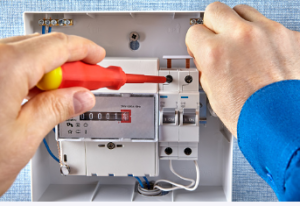 Safety switches can help prevent electrocution, fires, and burns. They are also relatively cheap. For this reason, they should be installed on every circuit in your home.
Unlike your basic circuit breaker, a safety switch can shut down a circuit in under 0.3 seconds. It is important because a small power fluctuation can make a safety switch trip. A safety switch can also help you out if an appliance malfunctions. It can also cut off the power of that particular circuit.
Whether upgrading or installing a new system, safety switches are a must. With all the electronics and gadgets plugged into your home’s wiring, it’s easy for things to go awry. If you want to avoid electrical fires and explosions, contact an expert in your area.
Safety switch tests aren’t a complicated task. Just push the ‘T’ button on the safety switch you’re testing, and you’re done. But it’s always a good idea to have a qualified electrician do a test run. Performing a small test once a month or yearly is a great way to ensure your household is safe.
High-voltage diverters
If you want to protect your property and the equipment from the risks of electrical surges, you should consider installing a surge diverter. They are designed to catch voltage spikes that can damage or fry your electronics.
While there are many ways to protect your home from a power surge, using a surge diverter is the simplest. Surge diverters work by diverting excess electricity to the ground. It prevents data loss and ensures that the appliances in your home remain operational, regardless of the number of power surges that come your way.
Several surge diverters include the flying lead version, insulated from 400mm of flexible lead. It is a good idea to check with a qualified electrician about installing a surge diverter and whether it’s the right kind for your needs.
A surge diverter is an ideal choice if you have expensive electronic gadgets. It’s a smart choice for every switchboard in your home.
Another nifty device is a safety switch. Typically, they are fitted into a switchboard or installed separately. They can offer your home the safest possible protection from dangerous electrocution when installed correctly.
Although a safety switch may not be as cool as a surge diverter, you should still use it in your home. The main reason is that modern electrical standards require these devices to ensure your property is safe from hazardous electrical faults.
It would be best if you always used a qualified electrician to install or upgrade your switchboard. They will be able to provide you with an accurate estimate of the cost of your project.
Replaceable wires and fuses
If you’re thinking about upgrading your switchboard, you’ll need to consider how to replace wires and fuses. A new switchboard will reduce the risk of electrical fires and ensure that your home meets current safety standards. However, it can also be a daunting task.
You’ll need to check with your local building codes to determine how to upgrade your switchboard safely. For example, you might need a qualified electrician to carry out the work. Or you might be able to change fuses with plug-in circuit breakers.
Before attempting any electrical work, be sure to wear rubber-soled shoes and have your hands dry. It’s also a good idea to remove jewellery from your body and turn off any lights in the area before performing electrical repairs.
There are many different types of fuses, with thousands of designs available. Each has a specific voltage rating, breaking capacity, and response time.
If you don’t know your fuse type, you can find a chart for each fuse family in the manufacturer’s data sheets. Typically, manufacturers plot current vs. time on logarithmic scales, which makes it easy to compare the characteristics of protective devices downstream from the blown a fuse.
A blown a fuse will likely have an indicating pin that extends out of the end cap. Once melted, the thin filament will melt and stop electrical flow.
Comments are Disabled