CCL Tear in Dogs: Causes, Symptoms, and Treatment
A CCL (Cranial Cruciate Ligament) tear in dogs is a common yet serious injury that can cause a great deal of discomfort and long-term mobility issues for your canine companion. In Portland, OR, where outdoor activities with pets are popular, CCL tears are often associated with physical activities such as running, jumping, or hiking. Understanding the causes, symptoms, and treatment options for a CCL tear in dogs can help you act quickly to get your dog the care they need. For more CCL tear in dogs therapy options, check this out.
What is a CCL Tear in Dogs?
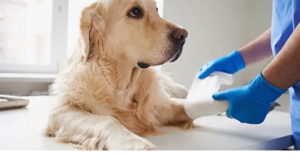 The CCL, also known as the ACL (Anterior Cruciate Ligament) in humans, is an essential ligament in a dog’s knee (stifle joint). It stabilises the knee by preventing excessive forward movement of the tibia and excessive rotation of the knee joint. When the CCL is torn, the joint’s stability is compromised, leading to pain, swelling, and a decrease in mobility.
A CCL tear in dogs can result from trauma, overexertion, or gradual degeneration of the ligament over time. Older dogs, especially those with joint issues or obesity, are more prone to CCL tears, but the injury can also occur in younger, active dogs.
Causes of CCL Tear in Dogs
There are several causes and risk factors for a CCL tear in dogs:
- Trauma: A sudden or traumatic injury, such as a car accident or a slip on a slick surface, can result in an immediate CCL tear.
- Genetics: Certain dog breeds, giant breeds, are genetically predisposed to CCL injuries due to the structure and function of their knee joints. Breeds like Labrador Retrievers, Rottweilers, and Staffordshire Bull Terriers are more at risk.
- Age: As dogs age, the tissues in their joints become weaker, which can increase the likelihood of a CCL tear.
- Obesity: Overweight dogs put extra stress on their joints, leading to an increased risk of CCL injury.
- Overexertion: Excessive physical activity or sudden changes in activity level can put too much strain on a dog’s knees, leading to tears in the CCL.
Symptoms of a CCL Tear in Dogs
Recognising the signs of a CCL tear in dogs early is crucial for effective treatment. Some common symptoms to watch for include:
- Limping or Lameness: The most noticeable sign of a CCL tear is that dogs often limp or avoid putting weight on the affected leg.
- Swelling: The knee joint may swell due to fluid buildup as a result of the injury.
- Pain or Discomfort: Dogs with a CCL tear may be sensitive to touch around the knee area and may show signs of discomfort when walking or standing.
- Decreased Activity: Dogs may be reluctant to play, run, or climb stairs because of the pain caused by the injury.
- Difficulty Standing Up: A dog with a CCL tear may have difficulty getting up or may have trouble bearing weight on the affected leg.
Diagnosis of CCL Tear in Dogs
If you suspect your dog has suffered a CCL tear, it’s essential to see a veterinarian for a proper diagnosis. Your vet will likely perform a thorough physical examination, including manipulating the knee joint to assess stability. They may also fully recommend diagnostic imaging, such as X-rays, to rule out other conditions and to assess the extent of the damage to the CCL.
In some cases, your veterinarian may also perform an “anterior drawer test,” which involves manipulating the knee to check for abnormal movement of the tibia relative to the femur. This test can help confirm a CCL injury.
Conclusion:
A CCL tear in dogs is a painful injury that significantly requires prompt diagnosis and appropriate treatment to ensure the best possible outcome. If you suspect your dog has a CCL tear, it’s essential to seek veterinary care in Portland, OR, to determine the severity of the injury and discuss the best treatment options. With the proper care and rehabilitation, many dogs recover well and return to their normal activities, allowing you and your furry friend to fully enjoy many more adventures together.
Comments are Disabled