Frozen Food Wholesaler: Leveraging Frozen Foods from Leading Wholesalers to Enhance Restaurant Offerings
In the culinary landscape, freshness has always been hailed as the hallmark of quality. From farm-to-table restaurants to artisanal eateries, the quest for fresh, flavorful ingredients has driven chefs and restaurateurs to explore every corner of the culinary world. However, in an industry marked by seasonal fluctuations, logistical challenges, and ever-changing consumer preferences, maintaining a consistent supply of fresh produce can be a daunting task. It is where the often-overlooked solution of frozen foods, particularly when sourced from a leading frozen food wholesaler, emerges as a game-changer.
The Evolution of Frozen Foods
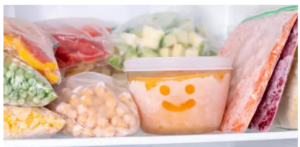 Frozen foods have come a long way from their humble beginnings as convenient staples in household freezers. Today, they represent a sophisticated and versatile option for restaurants looking to enhance their offerings without compromising on quality. Leading frozen food wholesalers have revolutionised the industry by employing cutting-edge freezing technologies and stringent quality control measures, ensuring that their products retain the freshness, flavour, and nutritional value of their fresh counterparts.
Access to Quality Ingredients, Year-Round
One of the primary advantages of partnering with a leading frozen food wholesaler is unparalleled access to a diverse range of high-quality ingredients, irrespective of seasonality or geographical constraints. From crisp vegetables to succulent seafood and tender meats, wholesalers offer an extensive selection of frozen products that enable restaurants to create a dynamic and innovative menu year-round. This flexibility empowers chefs to experiment with new recipes, explore global cuisines, and cater to evolving consumer tastes, all while maintaining consistency and quality.
Convenience Without Compromise
Frozen foods offer a level of convenience that is unmatched by their fresh counterparts. Unlike perishable ingredients, which require meticulous storage and handling, frozen products can be stored for extended periods without sacrificing quality. It translates into reduced food waste, minimised spoilage, and optimised inventory management for restaurants of all sizes. Whether it’s a bustling urban restaurant or a quaint countryside café, the convenience of frozen foods allows establishments to streamline their operations and focus on delivering exceptional dining experiences to their customers.
Consistency is Key
Consistency is paramount in the restaurant industry, and frozen foods offer a reliable solution to maintaining the integrity of signature dishes. Whether it’s the vibrant colour of a summer berry or the delicate texture of a perfectly ripened avocado, frozen ingredients ensure that every plate is a testament to the restaurant’s commitment to quality. With frozen foods, chefs can confidently replicate their most popular dishes, day in and day out, earning the trust and loyalty of their patrons.
A Sustainable Solution
In an era of heightened environmental consciousness, sustainability has become a driving force in the food industry. Frozen foods play a crucial role in this movement by offering a more sustainable alternative to fresh ingredients. By reducing reliance on seasonal produce and minimising food waste, restaurants can significantly decrease their environmental footprint.
Cost-Effectiveness and Affordability
In an industry where margins are often razor-thin, cost-effectiveness is a key consideration for restaurant owners and operators. Frozen foods provide a budget-friendly option without compromising on quality or taste. Unlike fresh produce, which can be subject to price fluctuations and market volatility, frozen products offer stability in pricing, allowing restaurants to better forecast their expenses and manage their budgets effectively.
Culinary Innovation and Collaboration
The partnership between restaurants and leading frozen food wholesalers opens doors to culinary innovation and collaboration. Wholesalers work closely with chefs and restaurateurs to develop customised products tailored to specific menu requirements or culinary trends. Whether it’s a unique blend of frozen fruits for smoothies or a proprietary sauce base for pasta dishes, these collaborations enable restaurants to differentiate themselves and offer unique dining experiences to their patrons. Moreover, the creative freedom afforded by frozen foods allows chefs to push the boundaries of traditional cuisine, creating dishes that are both delicious and innovative.
Conclusion
In conclusion, the freshness advantage of leveraging frozen foods from a leading frozen food wholesaler represents a paradigm shift in the way restaurants approach ingredient sourcing and menu development. By embracing the versatility, convenience, and quality of frozen products, restaurants can elevate their offerings, improve operational efficiency, and significantly contribute to a more sustainable food system. With the right partnership in place, the possibilities for culinary creativity and excellence are truly limitless.
Comments are Disabled